


MIT’s Eric So examines how AI use can reshape thinking
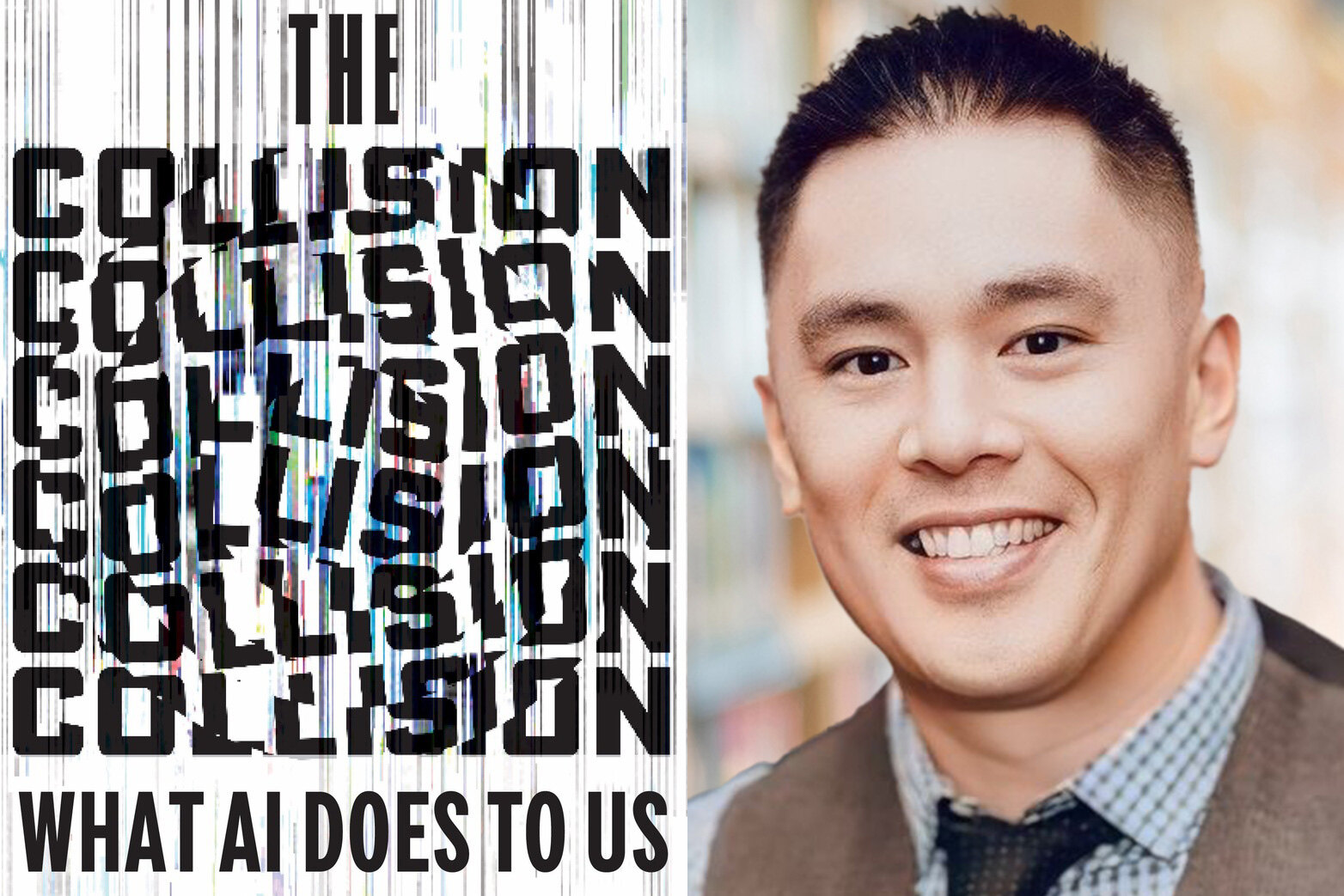
MIT Sloan School of Management professor Eric So has published The Collision: What AI Does to Us, a new book from W.W. Norton examining how widespread artificial intelligence use may affect learning, memory, work and social behaviour. So, the Sloan Distinguished Professor of Global Economics and Behavioral Science, argues that AI can help complete work faster and support useful domain-specific tools, while also carrying costs when people rely on it too broadly.
The book’s central concern is cognitive atrophy: users may fail to develop or retain essential thinking skills when AI supplies answers in place of effort. So says learning improves when people wrestle with material, work through early failures and iterate. That process, he argues, builds stronger thinking skills and helps knowledge endure.
Why convenience can become dependence
So’s argument starts with a familiar workplace behaviour. He recounts instinctively asking ChatGPT to complete a professional response that he would normally have written himself, then making light edits before sending it. The experience made him question how much of his own thinking had been removed from the task.
He sees similar patterns among students who turn to AI for homework that would otherwise help them develop subject mastery. An Anthropic study cited in the book found that about half of college-student queries were low-effort requests for simple answers. For So, the issue is not merely whether an answer is accurate, but whether the user has practised the reasoning needed to understand and use it.
He calls the persistent incentive to use these systems “AI gravity.” People have a biological impulse to conserve mental energy, he says, while competition makes AI adoption feel necessary when peers use the tools to move faster. The difficulty of detecting AI use can reinforce that pressure. In some organisations, So notes, AI use has moved beyond encouragement and can influence evaluations, bonuses or promotions.
Friction as part of learning
So describes AI as removing friction that is needed for foundational mastery. Instant assistance may reduce a user’s willingness to push through difficult problems, and using systems as the primary gateway to information may affect what people remember. He also warns that highly agreeable and persuasive models can shape interpersonal expectations by offering a frictionless interaction in which the system appears to agree with the user.
His proposed response is not a rejection of AI. Instead, he sets out four principles: embrace productive struggle, value capabilities developed without AI, reinvest the cognitive surplus produced by automation, and use AI as a cognitive trainer rather than an answer machine. The distinction matters because a polished output does not necessarily give its presenter the understanding required to explain, discuss or extend it.
Implications for organisations
For employers, the practical question is how AI-related time savings are used. So argues that simply directing the saved effort into more of the same work misses a potential benefit. It can instead be directed toward building expertise, developing new capabilities or pursuing other valuable activities.
Businesses adopting AI can therefore distinguish tasks where speed is useful from tasks where employees need to practise judgment and mastery. Designing AI use around learning and tutor-like support, rather than only rapid answer generation, gives organisations a practical way to pursue efficiency without treating the development of human capability as disposable.