


Apple builds $11.1 billion inventory buffer as advanced-memory supply tightens
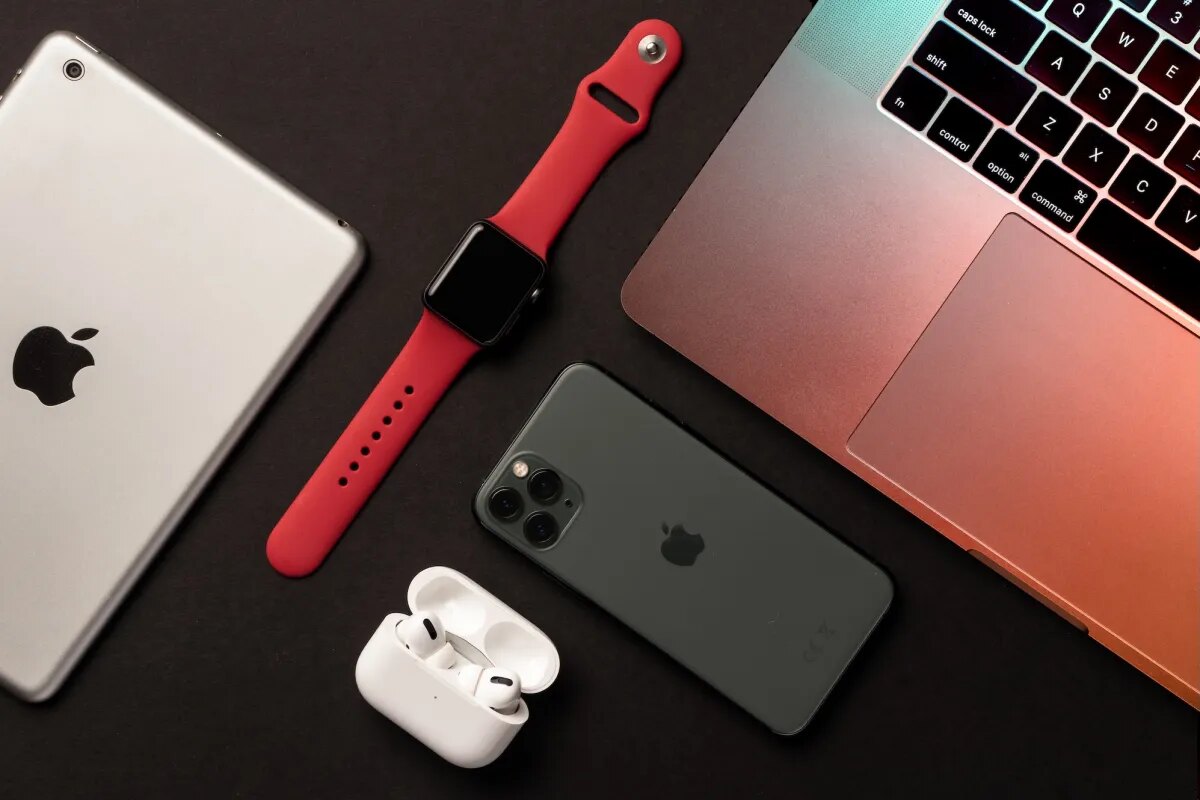
Apple disclosed $11.1 billion in inventory in its latest June-quarter earnings report, nearly twice the $5.7 billion held last September. The build-up comes as the company warns that shortages of advanced memory used in Apple silicon will constrain iPhone and Mac production more severely in the coming quarter.
Why the memory shortage matters
The generative AI boom is absorbing memory capacity and driving up component prices across hardware markets. Apple depends on advanced memory nodes for the A-Series and M-Series processors in iPhones and Macs, leaving limited room to substitute parts or reconfigure procurement quickly.
That pressure cuts both ways: constrained supply can cap unit sales even when demand is strong, while higher input costs compress margins or reach customers through price increases. Tim Cook called the market a “hundred-year flood” in memory pricing.
Strong sales, but a softer outlook
Demand remains robust. Apple described the period as its strongest June quarter, with iPhone sales up 22% and Mac sales up 29% year over year. Yet it now expects next-quarter revenue growth of 9%–11%, below the roughly 16% maintained over recent quarters.
“We’re seeing some very significant constraints currently with limited flexibility in the supply chain to remedy it.”
The inventory increase marks a departure from Cook’s long-standing preference for lean operations. It also comes after Apple raised Mac and iPad prices last month amid memory shortages, a step Cook described as reluctant. Meta, Samsung, Microsoft and Sony have also raised hardware prices.
Investors reacted to the softer outlook by sending Apple shares down 6% after hours. John Ternus, currently senior vice president of Hardware Engineering, is due to take over as CEO in September, inheriting a supply problem shared across the industry.
For businesses, the practical lesson is to treat device availability and pricing as planning variables, not constants. Organizations preparing Apple refreshes should confirm delivery windows early, preserve model flexibility and include cost buffers rather than rely on just-in-time purchasing.