


Four-Hour Batteries Cost Less Than Gas Peakers in 43 Markets
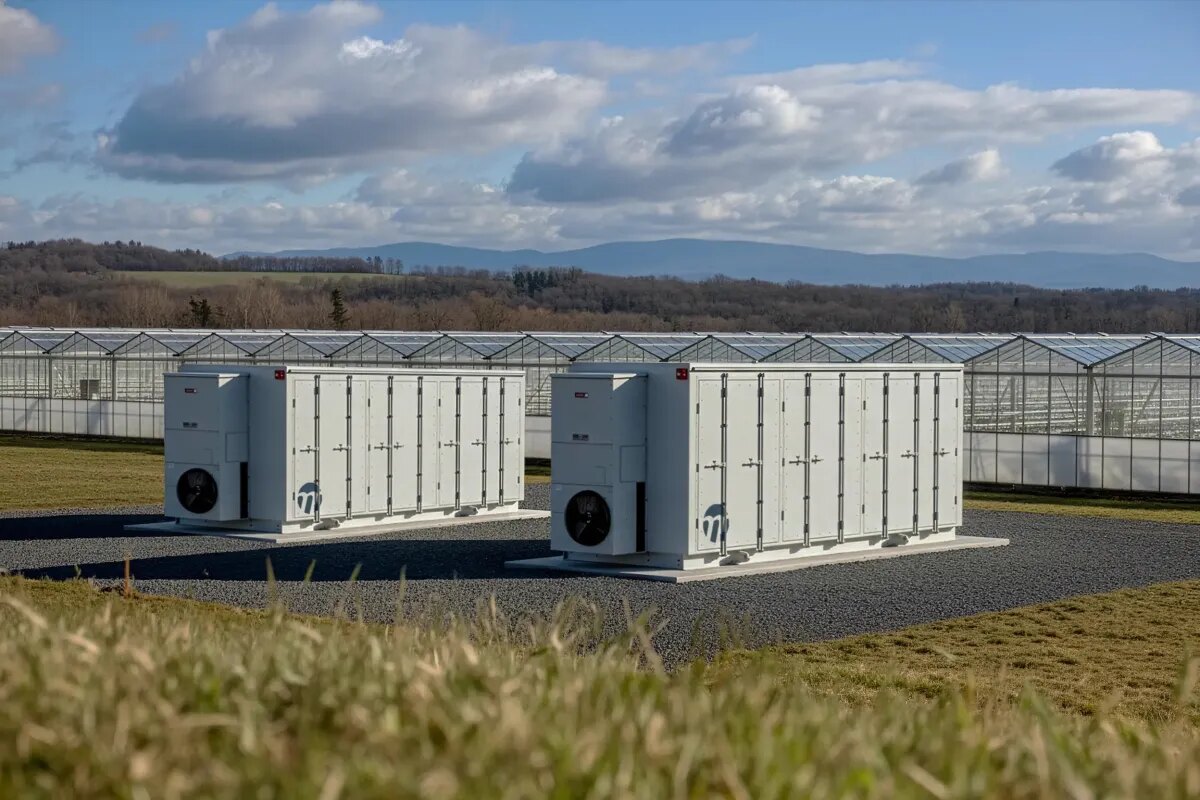
Battery storage passes open-cycle gas turbines on cost
Four-hour battery storage is now cheaper than open-cycle natural gas turbines in every one of the 43 markets surveyed by Wood Mackenzie, across all continents. The finding is relevant to data-center developers and utilities because open-cycle turbines are widely used as peaking plants, dispatched when electricity demand is high.
Wood Mackenzie expects the gap to widen over the coming decades. The consultancy forecasts that the cost of electricity from batteries will continue to decline, while electricity generated by gas turbines will become more expensive. Ahmed Jameel Abdullah, a principal analyst at Wood Mackenzie, described the change as “decisive and widening.”
Data-center demand tightens turbine supply
Rising electricity demand from data centers is occurring alongside higher energy prices in the US and other markets. Developers building AI infrastructure have been buying available gas turbines, pushing up prices and making procurement more difficult.
The pressure is especially visible in open-cycle turbines. They are simpler to manufacture than closed-cycle units, but are less efficient and costlier to operate. Even so, their procurement lead time has reached two to four years. Waitlists for closed-cycle turbines extend into the early 2030s, increasing prices for new gas-fired generation more broadly.
That supply constraint matters beyond individual data-center projects. Utilities use open-cycle turbines to cover peaks in demand, so higher equipment prices can feed into their own costs. The demand outlook is also connected to AI data-center electricity demand outlook as AI-driven electricity use could reshape how operators secure capacity and manage peak loads.
Regional economics favour storage and solar
Wood Mackenzie found that solar is the cheapest form of new generation in every surveyed market. In North America, solar remains the least-cost option, although tariffs and import restrictions are putting prices under pressure. The consultancy expects utility-scale projects to fare better than other solar segments.
In the US, 168 gigawatts of solar capacity is largely shielded from near-term price shocks through safe-harbor provisions in the One Big Beautiful Bill. Those provisions retain tax credits for projects that have started construction or are completed before the end of 2027.
The economics vary by region but point in the same direction. Wood Mackenzie expects four-hour batteries in the Middle East and Africa to be 33% cheaper by 2035, displacing gas peaking on cost across every gas market in the region. In China, energy-storage costs are 55% below those in neighbouring markets. For businesses planning data-center power, the practical implication is to evaluate storage, solar and peak-demand requirements together, while accounting for turbine availability and long procurement timelines.