


Midterm Shift Raises State-Level Pressure on Big Tech and AI
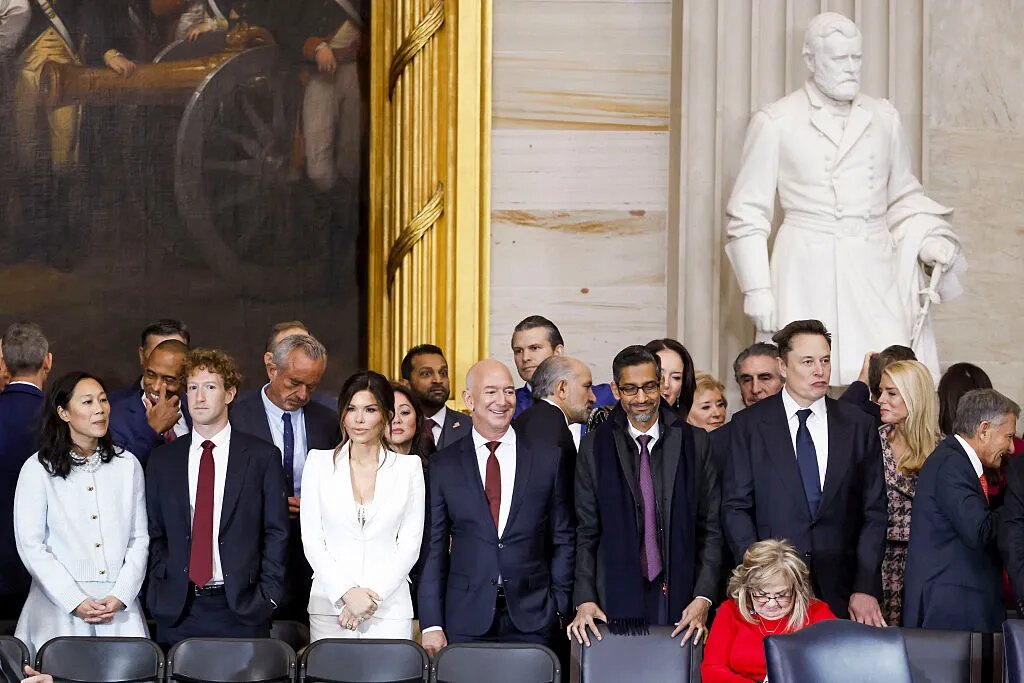
Major technology companies are seeking to strengthen relationships with Democrats after the midterm elections shifted the balance of power in Washington, while Democrats have pledged tougher oversight of artificial intelligence and large platforms. The repositioning follows two years in which many Silicon Valley companies developed closer ties with President Donald Trump and his administration.
OpenAI recently hired Jessica Schumer, daughter of Democratic Senator Chuck Schumer, and said it would refer to its data centers as “compute campuses.” The changes arrive as the company faces lawsuits alleging its technology harmed users, while Meta has faced litigation and billion-dollar fines.
Political access is becoming a bipartisan requirement
During the Trump administration, industry-friendly measures included tax breaks, pauses in some federal investigations and less restrictive AI regulation. Several executives attended White House events, some companies reduced diversity, equity and inclusion programmes, and some donated millions of dollars to super PACs backing Trump and allied candidates.
Meta President Dina Powell McCormick said at WSJ Tech that companies must work with the government elected by Americans and should be bipartisan to secure buy-in for their objectives. Meta pointed to those remarks when asked about the effect of the midterms on the company.
J.B. Branch, Public Citizen’s director of federal AI governance and technology policy, called the OpenAI hiring and data-centre terminology “PR washing.” He expects more corporate and public-private initiatives, citing OpenAI’s partnership with the American Federation of Teachers, Anthropic’s Claude Corps and Meta’s America’s Workforce Academy.
State capitals and host communities may set the pace
Alice Marwick, director of research at Data & Society, expects Big Tech to attempt a move back to the political centre, or left, but said that effort may come too late. She argued that companies should focus on whether their products improve people’s lives.
The next two years could still bring gridlock at the federal level. Aryan Ranjan, founder of political campaign management software company Baraza, said state governments are likely to remain the main venue for action because states have already sued technology companies and enacted regulation. Data-centre moratoriums are gaining support, while more AI bills are awaiting drafting.
Ranjan said a coalition of newer, working-class voters could push Democrats to frame AI policy around electricity bills, data-centre siting and jobs rather than abstract AI safety. Meta has said communities accepting its investments should see substantial benefits, while those that do not want them have the right to stop them.
Federal policy remains uncertain
In December, the Trump administration signed an executive order establishing an AI Litigation Task Force intended to challenge state AI laws. The administration has argued that US AI companies must be able to innovate without burdensome regulation, although states have continued to pass rules addressing areas including chatbots and deepfakes.
The White House said American leadership in superintelligence is important to national security, economic prosperity and quality of life, and that President Trump is committed to consumer protection as well as US leadership. It remains unclear whether he will issue further AI executive orders or veto legislation viewed as hostile to AI.
For businesses deploying or supplying AI, the practical implication is that compliance, infrastructure planning and community engagement may need to be organised state by state. A federal strategy alone may not address the distinct rules and local approval pressures shaping where AI systems and data centres can operate.