


Bolt and Lucid outline European robotaxi development partnership
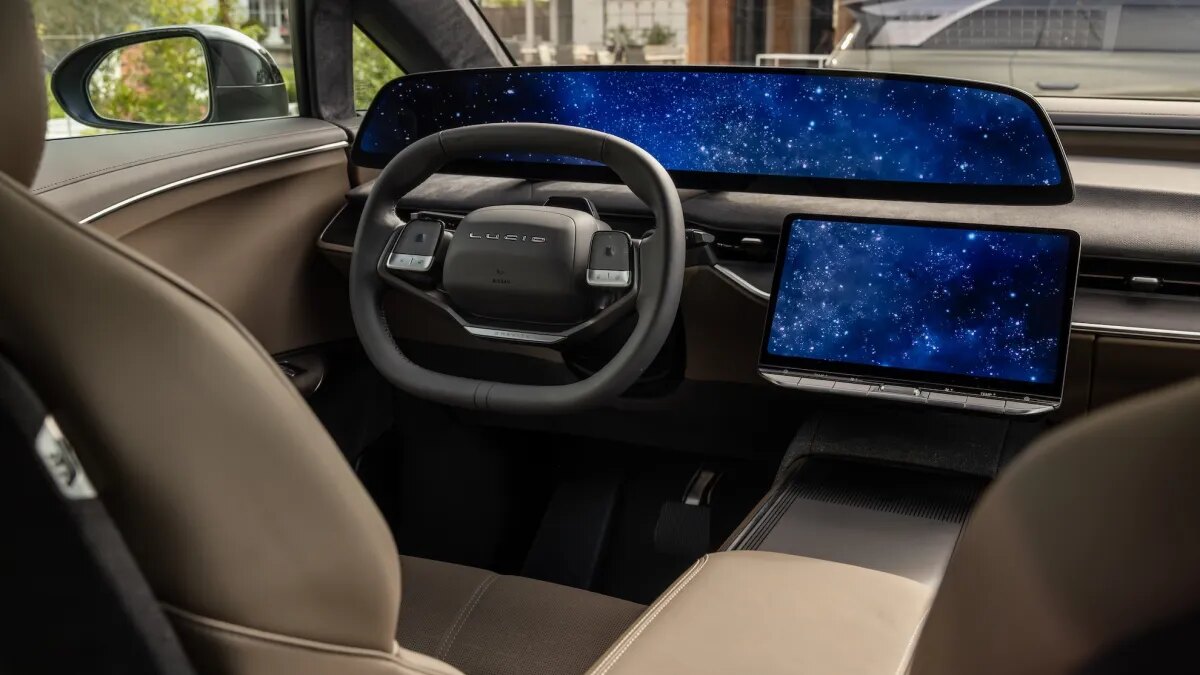
Lucid Motors and European mobility platform Bolt have announced a partnership that could bring Lucid-built robotaxis to Europe. Bolt aims to deploy at least 25,000 fully autonomous vehicles based on Lucid’s forthcoming mid-size EV architecture, while intending to own and operate the fleet.
The announcement does not amount to a vehicle order or a deployment commitment. No money has changed hands, Bolt has not placed an order, and the companies have not disclosed a public deployment timetable. They describe the arrangement as a product-development collaboration on an autonomous-driving-system-ready vehicle platform.
A platform partnership without a disclosed launch date
Lucid’s mid-size architecture is intended to underpin vehicles that are smaller and less expensive than the company’s current offerings. The prospective Bolt vehicles will use Nvidia’s Hyperion autonomous-vehicle compute and sensing architecture. Neither company identified the supplier, or suppliers, of the autonomous-driving software.
Bolt says the project is a major step toward its ambition to have 100,000 autonomous vehicles on its platform by 2035. Markus Villig, Bolt’s founder and CEO, said autonomous driving in Europe requires data, software, vehicles and operations to work together for European roads and regulation. He pointed to Bolt’s more than a decade of operating experience across over 850 cities.
Lucid expands its autonomous mobility ambitions
The partnership follows significant changes at Lucid under new CEO Silvio Napoli. The company recently cut nearly 20% of its workforce and moved the first mid-size-platform vehicle launch back by almost a year, to the second half of 2027. The broader financial and robotaxi programme reset is detailed in Lucid’s financial and robotaxi programme reset as Lucid seeks to align spending with its autonomous-mobility plans.
Lucid has not yet put a commercial robotaxi version of either current vehicle into service. Separately, it has been working with Uber and autonomous-vehicle company Nuro on a robotaxi version of the Gravity SUV, which is expected to launch by the end of 2026. Napoli has said robotaxi provision could deliver margins that “vastly” exceed the traditional retail model.
What remains to be decided
The Bolt agreement establishes an intended technical and operating model, not a confirmed commercial rollout. The parties still need to specify the autonomous-driving software, convert their collaboration into vehicle commitments and set timing for an operational service. Those details matter particularly because the planned fleet depends on an architecture whose first Lucid vehicle is now scheduled for the second half of 2027.
For businesses assessing autonomous-mobility opportunities, the practical implication is to treat fleet targets as long-term strategic signals and evaluate supplier commitments, software responsibility, regulatory readiness and operating timelines separately before relying on a launch plan.