


Caterpillar Applies Mining Automation Lessons to Enterprise AI
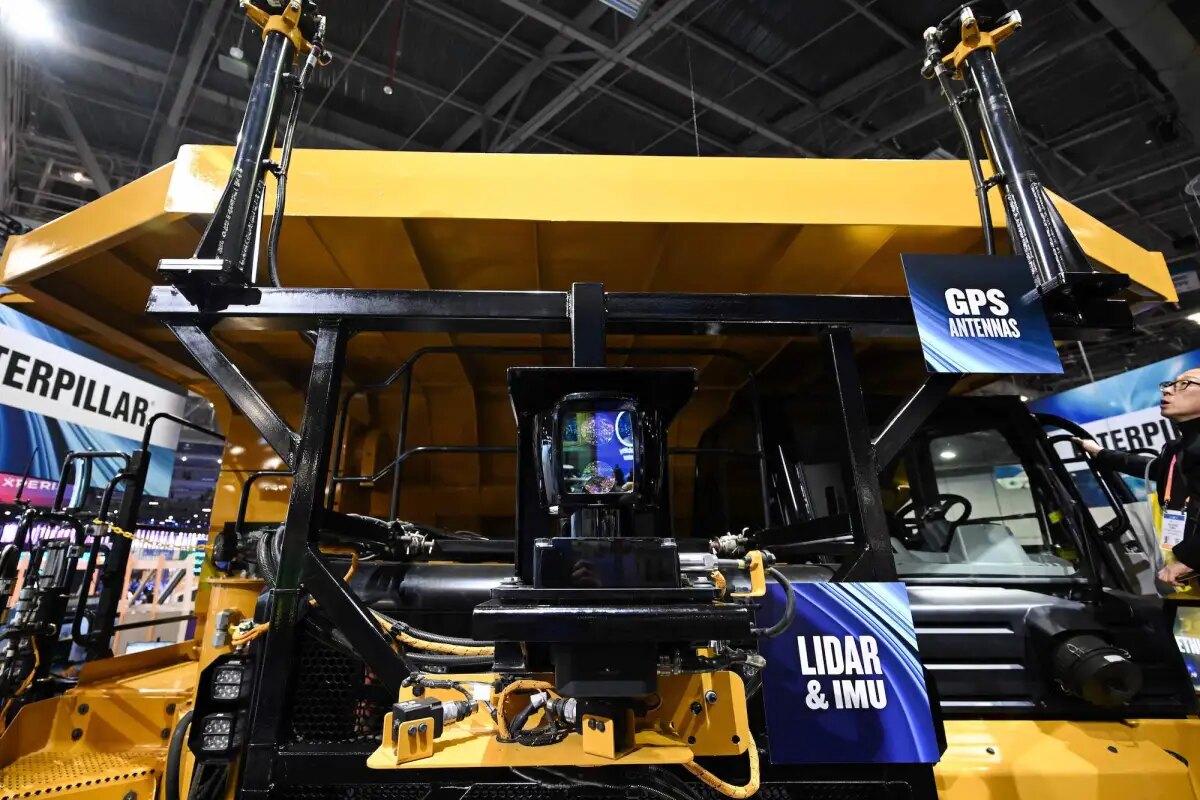
Caterpillar expands AI from mining into field and enterprise work
Caterpillar is applying experience gained from autonomous mining equipment to broader AI deployments across jobsites, quarries, construction sites and internal operations. The company plans to spend $100 million over five years training its 118,000 employees in AI, autonomy and robotics as it scales that transition.
Its autonomous portfolio began in mining, where labour shortages and hazardous working conditions make automation particularly relevant. Caterpillar now sells automated haul trucks and drilling equipment, underground loaders and dozers, remote-controlled construction machinery, a software command centre, fleet-management tools and remote terrain intelligence.
Jaime Mineart, Caterpillar's chief technology officer, said the company is taking learning from mining into more dynamic environments. She stressed that deploying autonomous equipment is not simply a technology task: sites and workflows must also be adapted for people to work with the systems.
Connected-machine data supports technician tools
One operational example is the Cat AI Assistant. Field technicians can use voice commands while standing next to a machine to retrieve repair procedures, troubleshoot potential problems and identify parts that may be needed before a repair starts. Mineart said customers, operators and technicians are using the tool.
The assistant draws on Caterpillar's proprietary information from connected equipment. Mineart said the company has about 1.6 million connected assets globally and more than 16 petabytes of structured data. Caterpillar is also using AI in software that scans sites and creates digital twins for manufacturing operations analysis.
Workforce and process change remain central
Caterpillar is using AI throughout enterprise operations and software development. Mineart said AI agents are used to modernise legacy code, generate and test new software, and identify defects earlier. The company also relies on experienced operators to help train systems with institutional knowledge accumulated over decades.
Greater autonomy can change operators' roles from controlling one machine to overseeing several from a remote command centre. That shift makes workforce preparation a core part of deployment, alongside the software and machinery themselves.
The wider AI infrastructure boom is also contributing to Caterpillar's business. Quarterly revenue reached an all-time high of $20.5 billion in the second quarter, while power-generation sales rose 72% to $3.10 billion amid demand for data-centre equipment. For businesses adopting AI in physical operations, Caterpillar's approach shows that data, frontline expertise, workflow changes and training need to be planned together.