


Even Healthcare raises $50 million to expand its Bengaluru hospital network
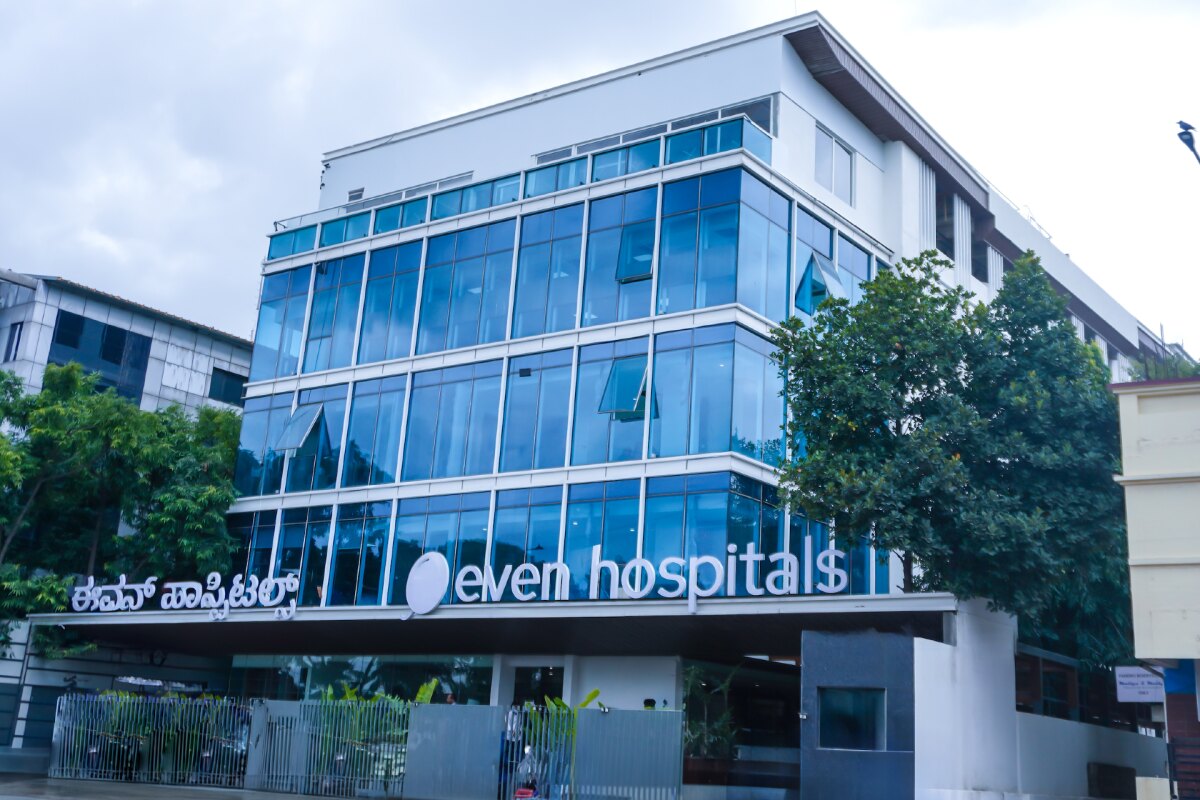
Even Healthcare has raised $50 million in an all-equity Series B led by Khosla Ventures, with Alpha Wave also participating. The Indian healthcare startup said the round values it at $300 million, three times its valuation 18 months ago, and takes its total funding above $120 million.
The company will use the capital to open five hospitals in Bengaluru over the next six months. Even already operates two hospitals in the city, which co-founder Mayank Banerjee said reached operational profitability, excluding depreciation, within a year of opening.
Changing incentives in hospital care
Even is pursuing a model designed to shift hospital economics away from the volume of tests, procedures and admissions. The company initially relied on partner hospitals, but Banerjee said it found cases in which patients received tests or surgery recommendations that it considered unnecessary. That experience prompted the startup to build and run its own facilities.
The company leases hospital buildings on 20-year agreements, then funds their fit-out and medical equipment. Its doctors receive fixed salaries rather than compensation linked to the number of tests or surgeries. Bonuses can be based on patient-reported clinical outcomes, while hospital managers receive salaries and company-wide incentives rather than procedure-based rewards.
Every employee, including clinicians and hospital staff, receives equity in the company. Marketing teams are focused on bringing in patients rather than on the revenue produced by individual patients, Banerjee said. Khosla Ventures founder Vinod Khosla described the approach as combining financing, technology and care delivery in an effort to reward health outcomes instead of greater use of services.
Claims on outcomes and cost
Even said it monitors recovery through established scoring systems. For knee replacements, it uses the Oxford Knee Score to assess pain and mobility, and publishes results alongside figures from other healthcare systems.
The startup reports an unplanned readmission rate below 1%, compared with an industry benchmark of 8% to 15%. It also says patients spend 40% less time in hospital and that its approach has saved insurers more than ₹500 million, about $5.27 million. Revenue comes primarily from patients paying for treatment, with additional income from insurer relationships. Even is also working with insurers on a model that could compensate it for hospitalisations it helps prevent.
Expansion continues despite losses
Even remains loss-making. Regulatory filings show a net loss of ₹902 million, about $9.50 million, in fiscal 2025, nearly 25% higher than the prior year, on revenue of ₹272 million, about $2.86 million. In August, the company laid off about 350 employees. Banerjee said affected staff received severance, extended health insurance and accelerated equity vesting.
The startup now has about 650 employees, including roughly 300 full-time doctors, and says it has 250,000 members and more than 750,000 patient interactions since launching in 2021. Banerjee said Even could become profitable within months if it stopped expanding, but is prioritising growth. For healthcare businesses, the funding illustrates that operational control and incentive design are central tests when attempting to lower costs while maintaining measurable care quality.