


FBI and Coast Guard Inspect Hacked U.S.-Bound Oil Tankers
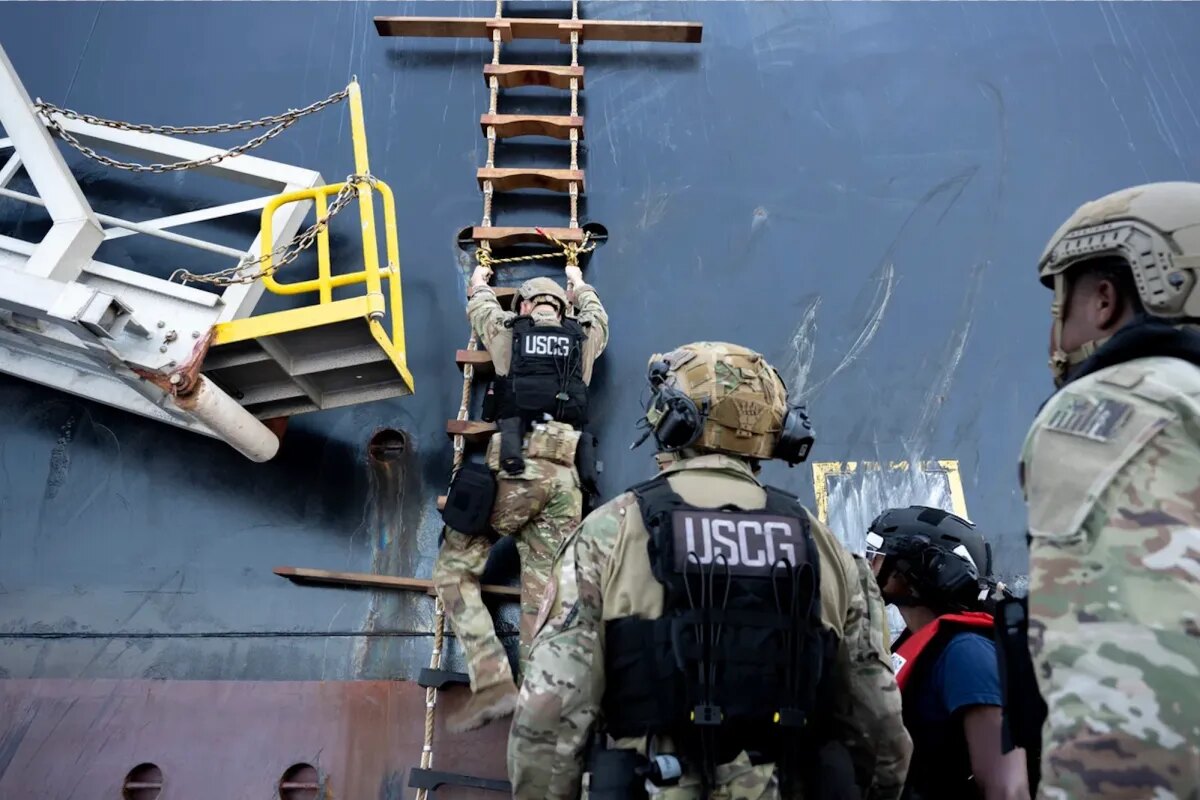
The U.S. Coast Guard and the FBI boarded two oil tankers heading to the United States in the Gulf of Mexico between August 21 and August 24 after indications that the networks of both vessels had been compromised. In a joint statement, the agencies said the action was intended to ensure the integrity of the ships’ operational technology and information technology systems.
The vessels’ captains, crews and the onshore staff of the owner cooperated with the inspection, the statement said. The agencies reported no operational disruption, vessel instability, physical danger to crew members or environmental effects in connection with the incident.
VL Prosperity identified as one of the vessels
CBS News identified one tanker as the VL Prosperity, a 333-metre oil tanker with capacity for more than 2 million barrels of oil. VesselFinder listed the ship in the Gulf of Mexico when the report was published.
Citing Iranian media, CBS News said that hackers compromised the vessel on August 7 while it was travelling from Egypt to the United States. The intrusion reportedly interfered with the tanker’s speed and fuel systems, and the vessel lost communications for more than a day.
The Coast Guard did not identify the ships in its joint statement. It was also unclear who carried out the attacks, although CBS News reported that U.S. authorities were examining whether Iran was involved.
Shipping networks bring operational systems into scope
Large tankers rely on extensive networks for navigation, cargo management and the routine services needed to operate the vessel. The reported interference with speed and fuel systems illustrates why a cyber incident at sea can require scrutiny of both enterprise-style information systems and systems tied directly to ship operations.
The boarding operation brought federal responders onto the vessels to assess those environments after compromise indicators emerged. It also involved the vessel operator and shore-side owner staff, reflecting the split responsibility that can exist between crews, ship owners and technical support functions.
For shipping and logistics businesses, the practical implication is to maintain incident procedures that cover operational and information technology together, define coordination with ship and shore teams, and support rapid inspection when a vessel’s systems show signs of compromise.