


Form Energy secures $750 million for West Virginia battery expansion
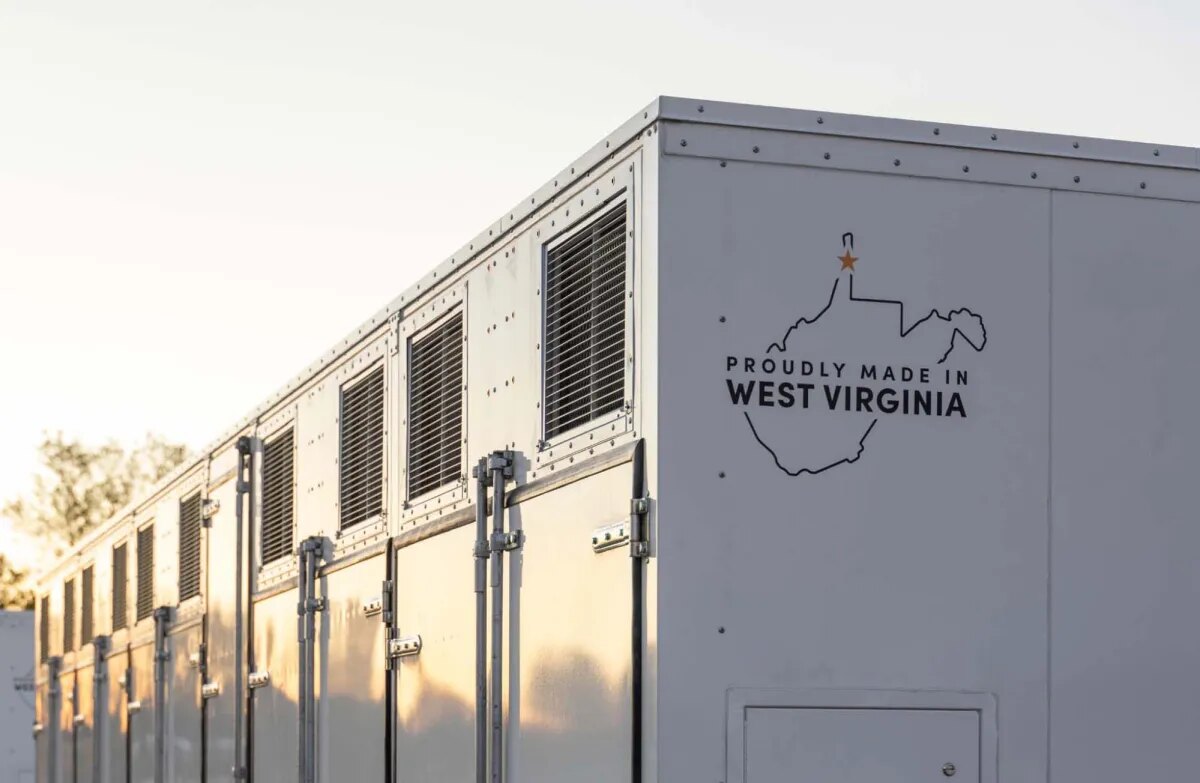
Form Energy has raised $750 million in a Series G financing round to expand manufacturing capacity for its iron-air grid batteries in West Virginia. The company says its systems can discharge electricity for up to 100 hours, far longer than the few hours typical of most deployed storage batteries.
T. Rowe Price led the round. Participants included Sequoia Capital, Janus Henderson, Franklin Templeton, PEAK6 Investments, Prelude Ventures, Engine Ventures, TPG Rise Climate, Capricorn’s Technology Impact Funds, Breakthrough Energy Ventures, Gigascale Capital, Coatue, Energy Impact Partners, NGP, GE Vernova, Blindspot Ventures and M&G Catalyst Fund.
Long-duration storage attracts data-centre demand
The fundraising comes as US electricity demand rises for the first time in decades, with data centres identified as a major driver. Data centres are expected to quadruple their US electricity consumption by 2035 and use about 20% of all electricity generated in the country.
Storage additions are also accelerating. The US installed 9.7 gigawatt-hours of energy storage in the first three months of the year, a 32% increase from 2025. Most installed batteries provide only limited-duration output, whereas multi-day storage can help address gaps in renewable generation. Renewable power is expected to represent more than 90% of new US generating capacity this year.
Power needs for large computing facilities are also reshaping infrastructure choices: gas power plans for Texas Terafab illustrates how gas-fired generation is being considered for a Texas chip factory, while Form is positioning storage as part of the supply response for electricity users.
Iron-air chemistry and commercial orders
Form’s battery chemistry uses iron rather than lithium, cobalt and nickel. During discharge, the system oxidises iron into rust; when it charges, it reverses that process, converting rust back into iron. The company presents the use of iron as a route to storing large quantities of electricity at lower cost than chemistries based on pricier minerals.
The company says roughly 80% of its materials come from the US, with the remainder sourced from Europe and Asia rather than China. That supply-chain profile is significant in a battery market where Chinese companies dominate manufacturing and supply chains, and where US administrations have sought to reduce dependence on China.
Form has already secured substantial customer commitments. Google is building a Minnesota data centre that will be partly supplied by a 30-gigawatt-hour Form battery system reported to cost about $1 billion. Crusoe said in March that it would purchase 12 gigawatt-hours of Form batteries. Xcel Energy and FuturEnergy Ireland are also customers.
What the financing signals
Form reportedly has a commercial-project backlog of about 80 gigawatt-hours, four times the level reported earlier this year. The new capital is intended to turn that demand into additional manufacturing output in West Virginia.
For businesses planning energy-intensive facilities, the development highlights the need to evaluate power supply beyond short-duration batteries. Multi-day storage, generation, grid access and supply-chain exposure will all remain material factors in projects whose demand profiles exceed what conventional storage can cover.