


Garry Tan says AI agent tokens cost him up to $200,000 a year
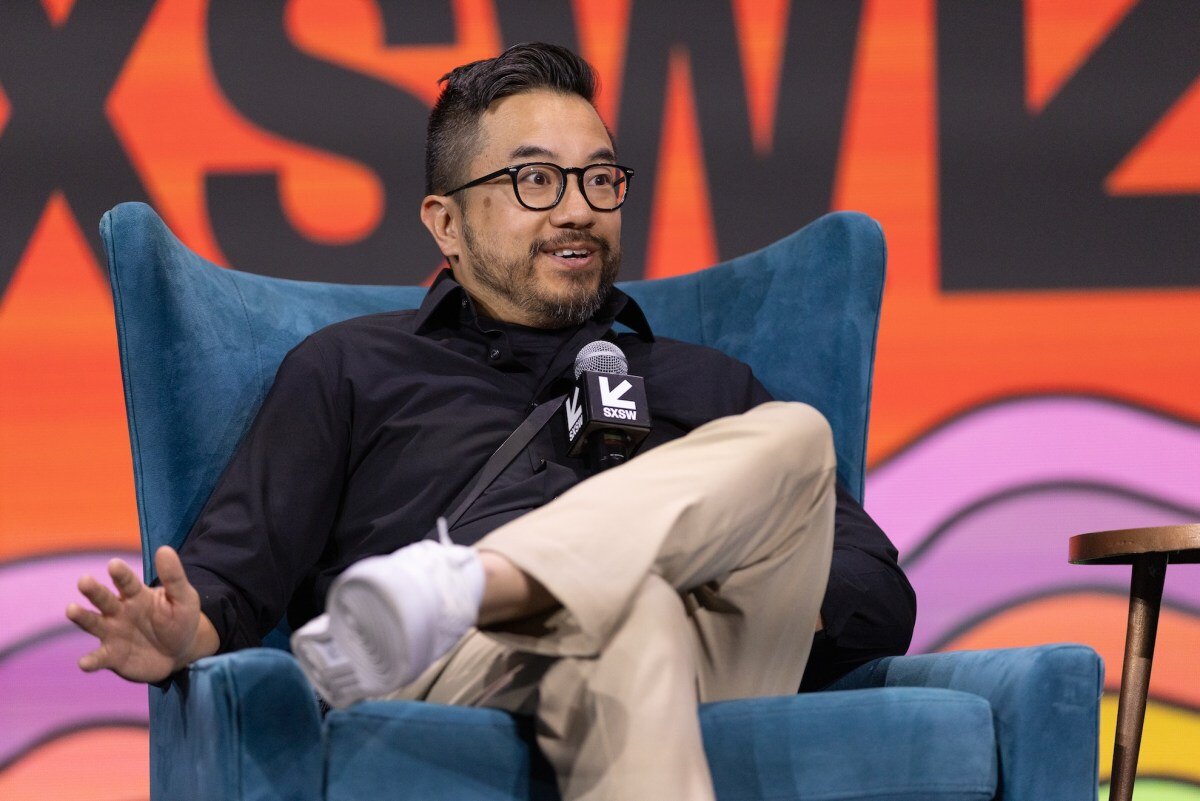
Y Combinator chief executive Garry Tan says he spends roughly $100,000 to $200,000 a year on AI tokens. Speaking on Walter Isaacson’s The Builders podcast, Tan described using AI agents for coding, research, work projects and parts of his personal life.
Tan has published a set of 23 Claude Code skills called gstack on GitHub. He said the project is intended to show others what AI agents can do. His own use ranges from preparing for interview questions to delegating work that would otherwise require repeated manual attention.
An agent with broad personal context
Tan said his agent has read his email, Dropbox and Apple Notes, including therapy notes going back 20 years. He characterised the experience as having a persistent assistant that knows the user, can propose next steps and can identify issues before they become obvious.
The account illustrates the degree of context some power users are willing to provide to an agent. It also makes the cost of sustained, high-volume model use more visible: Tan called his level of spending a privilege that is not available to everyone.
YC applies the model inside the accelerator
Y Combinator is also deploying an internal agent called Stray Light. Tan said the system has a personality and a “company brain”, with context covering every founder backed by YC, people who have emailed the organisation and the applications it has received.
He said the agent is helping rebuild how YC operates. The source does not specify the model, architecture or safeguards behind Stray Light, but Tan’s description places broad organisational knowledge at the centre of the deployment.
Tan, an early OpenClaw adopter, argued that teams should not approach agents as traditional software. He said that an excessive focus on repeatability and safety can trade away qualities that make an agent feel closer to a human collaborator.
Cost and control remain central constraints
Despite his enthusiasm, Tan identified cost as the major obstacle to mass adoption. He said personal agents will become mainstream only if their operating costs fall, and described current costs as too high.
He also questioned whether free agents controlled by large technology companies are the right answer. Tan contrasted that model with a personal AI that users control and program themselves. For businesses, the practical implication is to match agent access to clear data boundaries, operating budgets and accountable human review before extending an agent across sensitive internal systems.