


GM Plans Central Compute Architecture for 2028 EVs
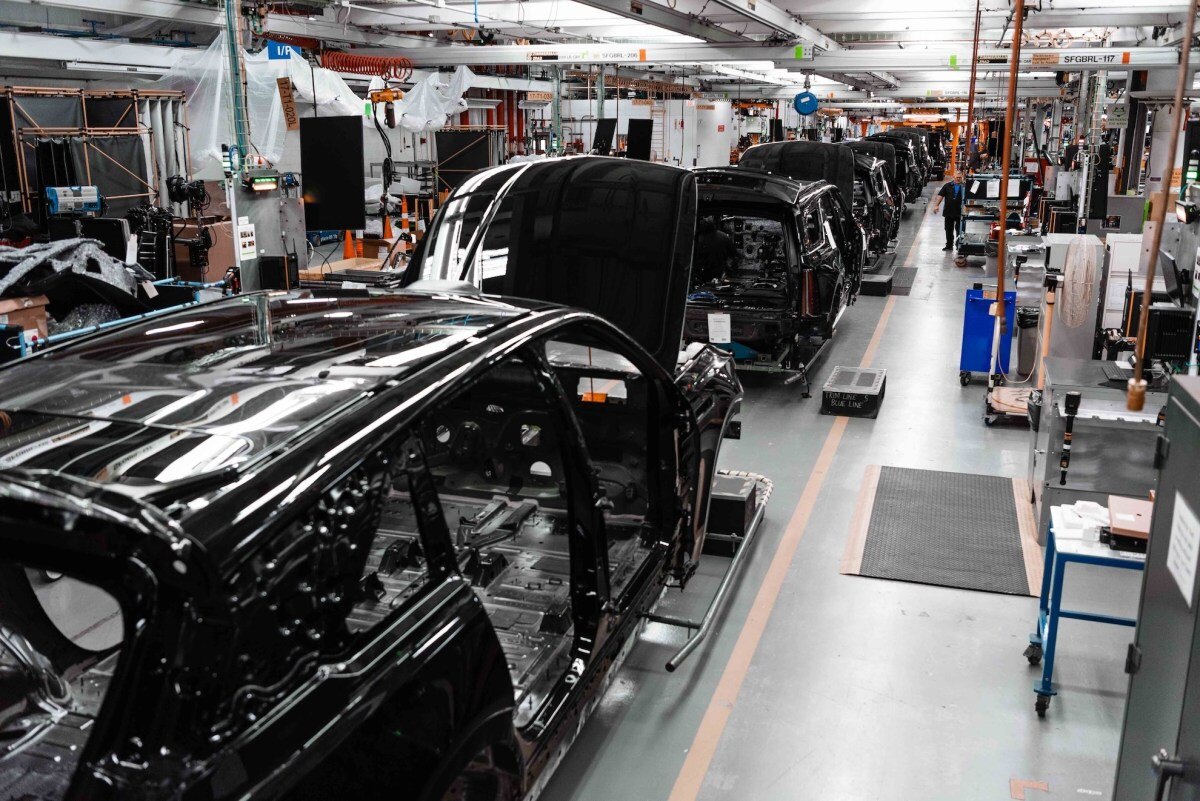
General Motors has outlined a fourth-generation electric-vehicle platform centred on a new Central Compute Unit, or CCU, that it says is 40 times more powerful than its current systems. The architecture is scheduled to debut in the 2028 Cadillac Escalade IQ, alongside new battery chemistries, redesigned electric motors and a broader software strategy.
The CCU is intended to connect functions that have historically been distributed across many electronic control units. GM says it will span acceleration and power management, steering, braking, active-safety functions, perception and vehicle software. The company also said the underlying computing approach can be used in fossil-fuel models, even though its first deployment will be in an EV.
Centralised computing replaces scattered electronics
GM’s announcement places less emphasis on conventional vehicle-engineering measures and more on the electrical and computing architecture that shapes the behaviour of a software-defined vehicle. By centralising functions previously handled by smaller chips around the vehicle, GM expects to cut wiring by 30%, reducing weight and simplifying assembly.
That consolidation is designed to provide a foundation for faster software delivery and more capable automated-driving functions. GM plans to introduce an autonomous highway-driving feature in 2028 that would allow drivers to remove both hands and eyes from the road without being required to take over. The company has positioned the Escalade IQ as its technology flagship for the new architecture.
Sterling Anderson, GM’s executive vice president of global product and chief product officer, said the company wants vehicles to understand context, reduce friction and return time otherwise consumed by driving. The ambition reflects a market in which in-car software is becoming a principal point of differentiation alongside ride, handling and powertrain performance.
AI simulation is aimed at shorter development cycles
GM is also applying enterprise AI tools across vehicle development as it seeks to reduce its traditional four-to-five-year programme timeline by half. One cited example involved a lithium-manganese-rich battery pack: engineers assessed 300,000 virtual designs before assembling the first physical prototype, and GM said the concept progressed to an approved programme in one month.
The effort comes as Chinese manufacturers operate on development cycles of two to three years, compared with the four to five years that have been customary for established automakers. GM is seeking to match that cadence while protecting profitability during a wider shift in the automotive industry.
Software investment becomes an industrial requirement
GM has already committed substantial resources to software and autonomous-vehicle development. Its capitalised software amortisation expense was $866 million in 2025. The company has also moved nearly all of its EVs away from Apple CarPlay and towards a Google-based infotainment system, illustrating the degree to which it is building a more integrated software stack.
Other established manufacturers have faced difficulty with similar transitions. Volkswagen Group’s troubled Cariad effort ultimately led it to form a $5.8 billion joint venture with Rivian. GM’s approach is to combine a central computing platform, fewer electronic components and AI-assisted engineering within its own product roadmap.
For businesses managing complex products, GM’s plan highlights a practical implication: faster development depends not only on AI tools, but on a technical architecture that lets simulation, software updates and core system controls work together from the start.