


Inertia speeds fusion fuel pellet manufacturing to two to three hours
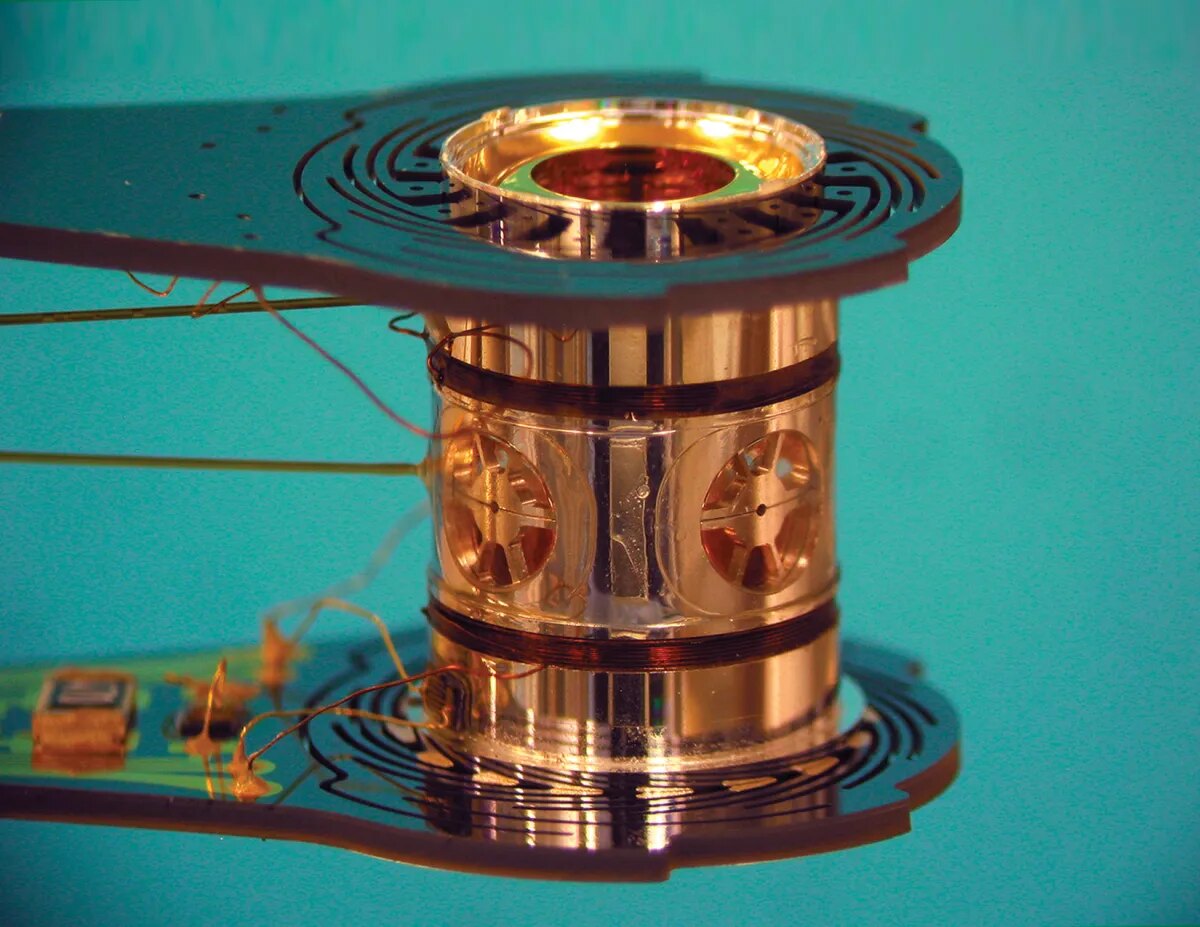
Fusion startup Inertia Enterprises says it has reduced the time needed to produce a fuel pellet from several days to about two to three hours. Crystal growth, which can take up to a week at the National Ignition Facility (NIF), now takes roughly 30 minutes in the company’s process.
The development addresses one of the manufacturing constraints facing Inertia’s proposed commercial power plant. The company expects a full-scale facility to consume ten fuel pellets per second, making repeatable, high-throughput production central to its plans.
Turning laboratory targets into factory output
Inertia has raised $450 million to commercialize technology developed at NIF. At the laboratory, fuel pellets are produced in small numbers and require painstaking handling, an approach that does not readily translate to a profitable power-generation operation.
The pellets are technically demanding components. Each has a spherical diamond shell containing a thin frozen layer of deuterium and tritium, plus gaseous deuterium and tritium within the crystalline layer. The solid layers must be extremely close to spherical: even minor defects can interfere with compression and limit ignition performance.
The pellet is placed inside a gold casing called a hohlraum. That casing converts laser energy into X-rays, which compress the fuel. If the system performs as intended, the compression enables atoms to fuse and release energy.
A more powerful laser creates manufacturing margin
Inertia developed the new process with NIF at Lawrence Livermore National Laboratory through a public-private partnership. Annie Kritcher, Inertia’s co-founder and chief scientist, designed the first NIF fusion experiment to release more power than it consumed.
The company says its planned laser will be four times more powerful than the laser currently used at NIF. Inertia believes that added power gives it greater tolerance for imperfections in each pellet, allowing faster manufacture without departing from the underlying physics established in NIF experiments.
The scale question also connects fusion development with the electricity constraints surrounding advanced computing, including AI energy infrastructure planning and the energy demands expected to shape AI infrastructure planning. For Inertia, however, the immediate task is to demonstrate that pellet production can keep pace with its plant design.
Tritium inventory is another operational constraint
Faster filling can reduce the amount of tritium Inertia needs to hold at one time. Tritium is radioactive and requires careful handling. It is also costly: its current price is about $30,000 per gram, while the journal Science estimates global stockpiles at only around 25 kilograms.
Like other fusion startups, Inertia plans to produce tritium with help from fusion reactions, but it will still need an initial inventory. Shorter manufacturing cycles may keep that inventory smaller while reducing facility size and improving the speed of the overall operation. The practical business implication is that fusion projects must validate fuel production throughput and radioactive-material logistics alongside their laser and reactor performance.