


Melius Secures $25 Million Following AI Advertising Product Reset
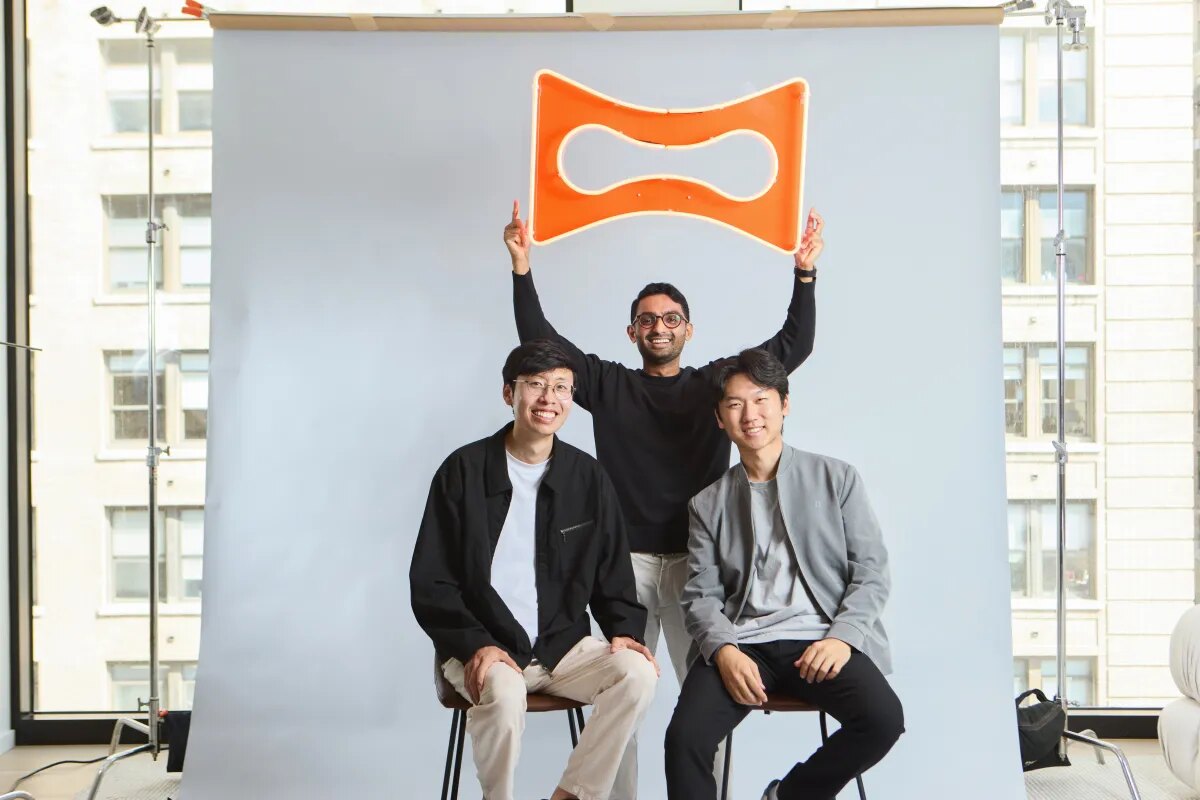
New York-based Melius has raised $25 million for its AI platform for generating advertising campaigns, images and videos. The funding comprises a $20 million Series A led by CRV and a $5 million seed round led by General Catalyst.
The company said it surpassed $1 million in annualized revenue within two months of emerging from stealth in July. Melius was founded by Joowon Kim, Young Kim and Arnav Ramu, who had worked together as engineers at corporate spending and finance software company Ramp.
A full product reset
Melius did not begin with its current creative-generation product. Its founders initially set out to build an AI-powered performance marketing tool designed to help marketers manage and optimize advertising spend.
More than six months into that work, the team concluded that the original concept did not have enough potential. Joowon Kim said the company discarded the entire codebase and began building a different product.
Nearly a year after its first launch, Melius introduced what it calls an “agents lab for creative work.” The platform is intended to let users, including experienced creative directors, translate ideas expressed in plain language into creative assets and campaigns.
A crowded market for AI creative tools
Melius is entering a market that already includes Higgsfield, Krea and Flora AI. Higgsfield was valued at $5.4 billion in August and has reached more than $700 million in annualized revenue, figures that underline both the scale of the category and the intensity of competition.
Kim said the presence of several companies reflects customer demand and room for multiple providers. Melius’s funding gives it resources to pursue that opportunity after making a fundamental change in product direction.
What the shift means for businesses
The story illustrates a practical product-development decision: a team may need to abandon working software when it determines that the market opportunity is stronger elsewhere. For businesses assessing AI marketing tools, the relevant question is not only whether they can generate media, but whether they fit the creative workflow and campaign needs of the organization.
Melius’s early revenue claim and fresh financing show investor interest in AI-based creative production, while its pivot demonstrates that traction can follow a substantial reset. The business implication is to evaluate AI creative platforms against concrete workflow needs and remain ready to revise product strategy when customer demand points to a more viable use case.