


Meta launches Muse personal agent for connected everyday tasks
Meta introduces Muse for consumer tasks
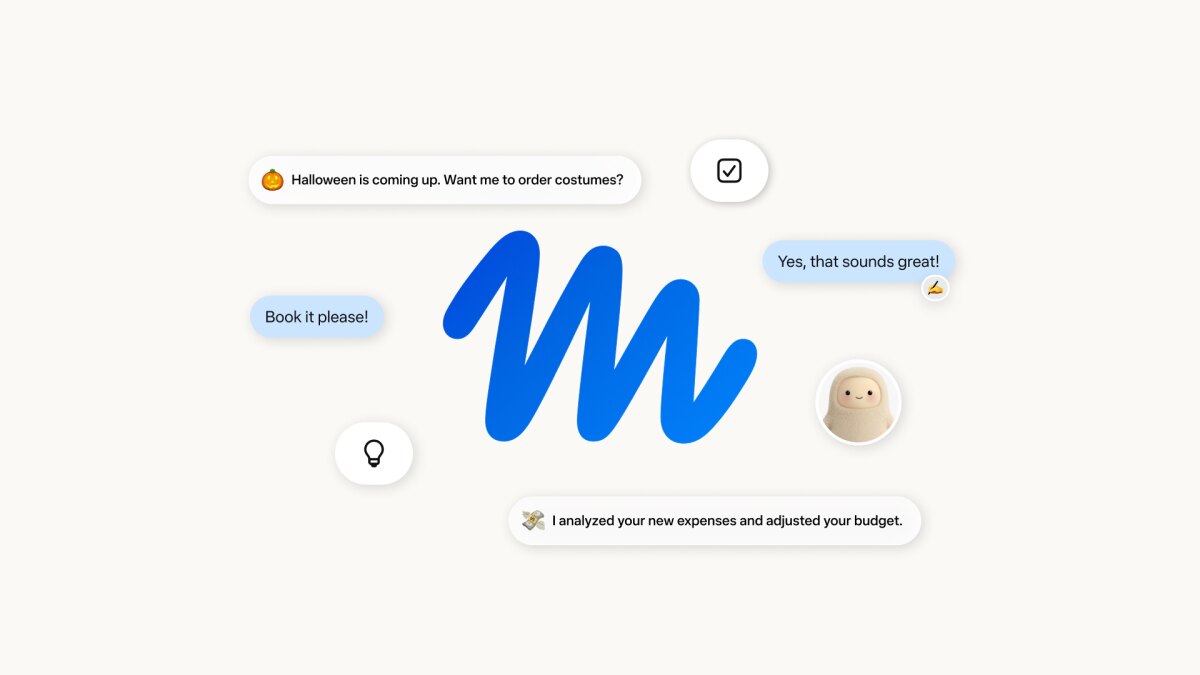
Meta has introduced Muse, a personal AI agent for users in the United States that is designed to handle everyday tasks and projects across connected apps and services. The company says Muse can send emails, book travel, lower bills, fill out forms, create plans, turn recipe reels into grocery lists, send party invitations and make purchases.
Muse is powered by Meta’s Muse Spark model and is available on the web at muse.ai, in iOS and Android apps, and in WhatsApp chats. Meta says it will also reach its AI glasses soon. The agent is free at entry level, while the Power plan costs $20 per month and the Maximum plan costs $100 per month as usage rises.
Connections, checkout and ongoing work
To carry out tasks, users connect apps and services individually. Meta lists email, calendars, payments, health and fitness, smart-home, dining, shopping, music and events services among the intended categories. Where a desired service has a public API, Muse can create a connection with credentials supplied by the user; where no API exists, it can use the browser instead.
Meta says the agent can continue working after a user exits the app. It may also learn from conversations what matters to a user and make unprompted suggestions over time. Purchases use Link by Stripe for checkout, which includes purchase protections, while integrations with Shopify’s Shop Pay and 1Password are described as coming soon.
The product extends Meta’s Muse family beyond Meta Muse Image generator launch and places the company in a broader market for agents that act rather than simply answer questions. Meta cited the emerging use of AI agents through browsers, standalone services and messaging environments, alongside examples such as Gemini Spark and Claude Cowork.
Security claims meet a high trust threshold
Meta says Muse operates in a dedicated, secure computer with its own browser, called Muse Secure VM. A separate Sentinel agent runs on the same virtual machine but is segregated from Muse at the system level. Meta says Muse cannot see passwords or payment methods and does not share conversations or data with its advertising systems.
Those assertions will be important because Muse requires access to sensitive elements of a person’s daily workflow. The launch also follows Meta’s $18 billion multistate settlement related to social media consumer harms. The company has faced prior privacy enforcement actions, including a 2011 FTC settlement and a $5 billion FTC settlement in 2019, as well as the continuing public impact of the Cambridge Analytica scandal.
For businesses and individual users, the practical implication is to treat Muse as a permissioned automation tool: connect only necessary services, review each requested credential and payment workflow, and start with low-risk tasks before delegating consequential activity.