


Microsoft reports 83% diagnostic accuracy for MAI-DxO simulation
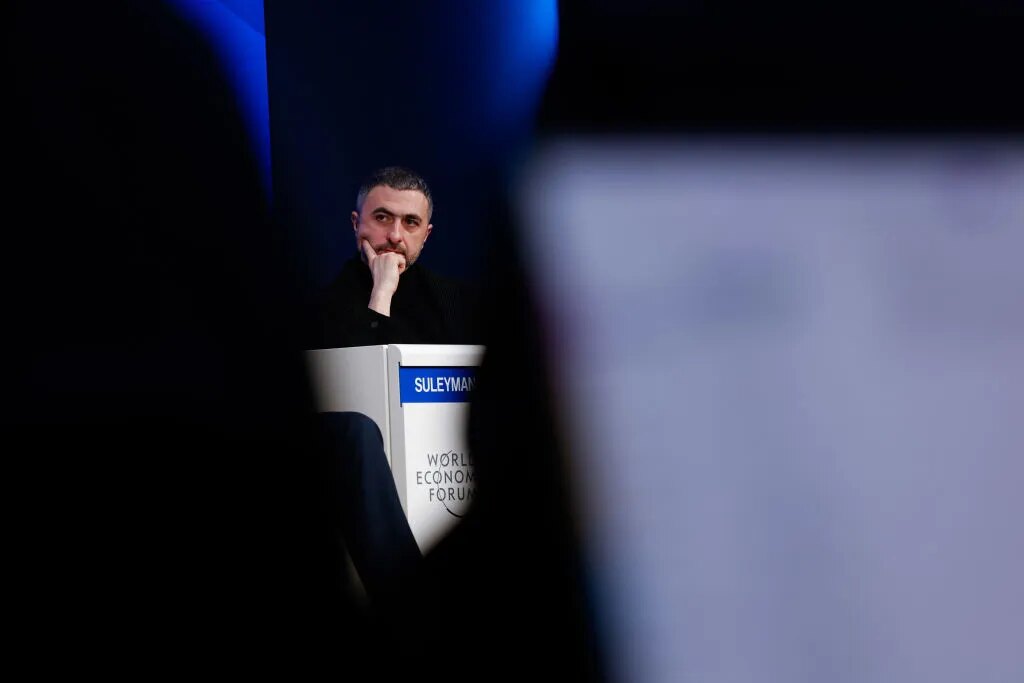
Microsoft says its MAI-DxO diagnostic system correctly identified 83% of complex medical cases in a simulation published in Science. The result was compared with a 36% accuracy rate for individual primary-care physicians and general internists who used reference materials. Mustafa Suleyman, chief executive of Microsoft AI, described the work as progress toward what the company calls “medical superintelligence.”
MAI-DxO, also called DxO, coordinates several AI agents as a virtual clinical panel. The agents question a patient, select tests and debate a diagnosis. Microsoft evaluated the system on complex cases drawn from the New England Journal of Medicine, rather than on routine patient encounters.
A benchmark with important limits
The physician comparison has a significant boundary: cases of this complexity are ordinarily managed by specialists or multidisciplinary teams, neither of which was included in the evaluation. Dominic King, vice president of Health at Microsoft AI, said the work addresses a growing mismatch between demand for care and the supply of medical expertise.
Microsoft tested DxO with models from OpenAI, Google, Anthropic, Meta and DeepSeek. The strongest reported results came from OpenAI’s GPT-5 and GPT-5.5. The findings indicate that underlying model capability accounted for much of the performance difference, while the orchestration layer provided additional gains in some settings.
With a short basic prompt, GPT-5 reached 78.9% on complex cases at an estimated cost of about $8,400 per case. DxO reduced that estimated cost by roughly $3,000 and increased accuracy by about four percentage points. On emergency-department cases, Microsoft reported little difference in either accuracy or cost between GPT-5 alone and GPT-5 supported by DxO.
Orchestration gains varied by model and setting
GPT-5.5 showed a different pattern on complex cases: DxO raised accuracy from 72% to nearly 87% at a slightly lower estimated cost. Yet the advantage did not carry over to emergency-department cases, where both configurations scored about 85% at similar cost. With Gemini 2.5 Flash, accuracy rose from 46.4% without DxO to nearly 69% with it, although the gap between weaker and stronger base models remained larger than the gain from orchestration.
Those results frame Microsoft’s health-care effort alongside Microsoft enterprise AI competition as the company seeks to strengthen its position in enterprise AI while developing clinical products. Microsoft already offers dictation and radiology tools for clinicians, and Suleyman said the company is working with Mayo Clinic on a health-care foundation model planned for release next year.
Testing alongside routine care
Microsoft has also partnered with Beth Israel Deaconess Medical Center in Boston to assess DxO’s clinical reasoning across hospital settings. Patients will receive standard care, including triage, specialist assessment, treatment, investigations and discharge decisions. Consenting patients will also interact with DxO, allowing the partners to compare its recommendations with those made by human clinicians.
Microsoft defines medical superintelligence as the capacity to exceed the strongest current human-led health systems in medical reasoning and coordination across the full course of care. For health-care organizations, the immediate implication is to evaluate such systems against established clinical workflows and human recommendations, rather than treating simulated benchmark performance as a substitute for real-world validation.