


MIT for America targets STEM access from K-12 to community colleges
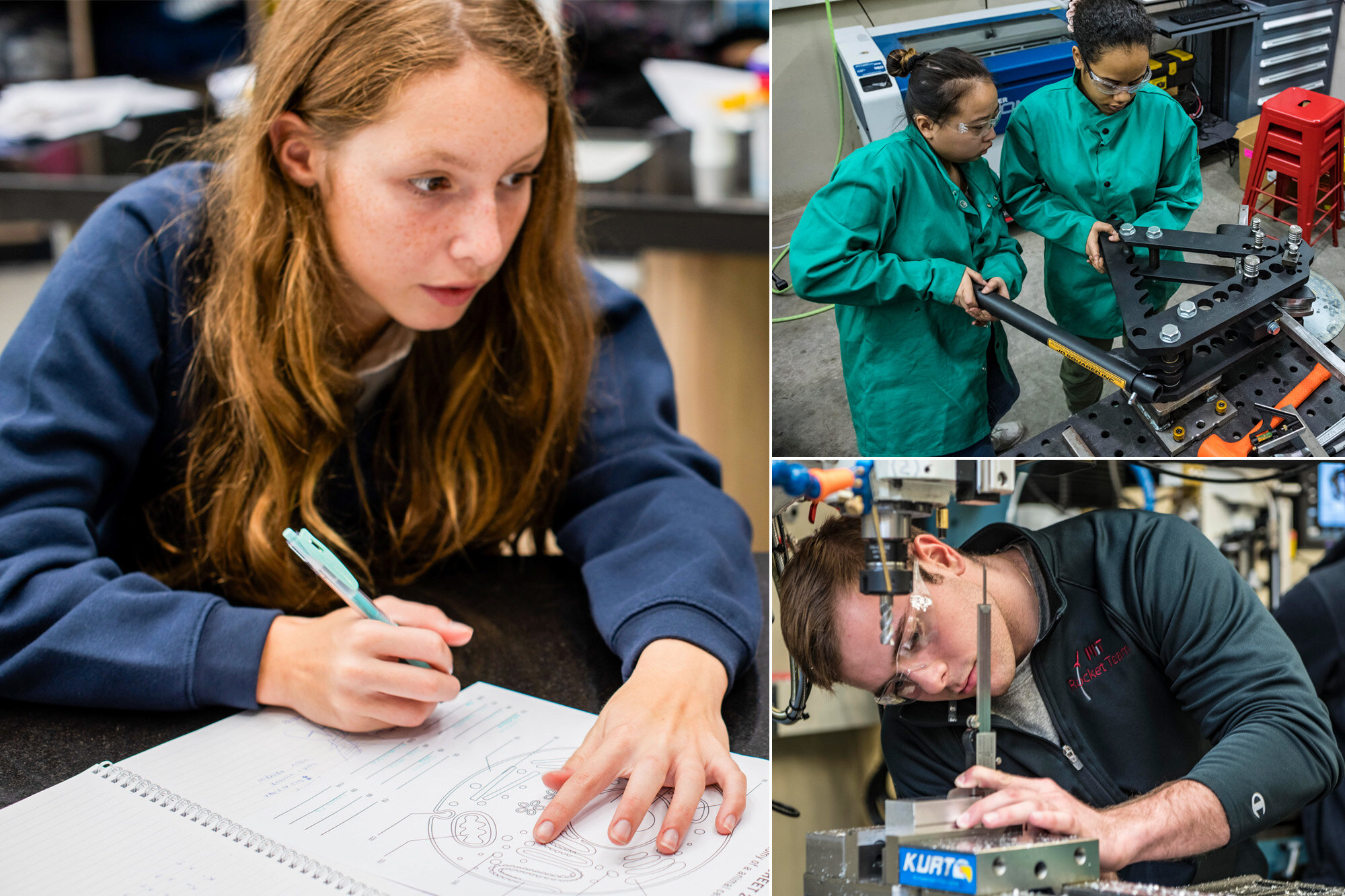
MIT has launched MIT for America, an Institute-wide initiative intended to strengthen STEM education across the United States, from kindergarten through community college. Announced by MIT President Sally Kornbluth, the effort will develop and expand programmes in mathematical thinking, hands-on design and fabrication, and constructive engagement with artificial intelligence.
The initiative is designed to help learners prepare for a world increasingly shaped by science and technology. Its leaders say the programmes will combine approaches that can scale nationally with direct, face-to-face guidance for students and educators.
Three priorities for national STEM capacity
MIT for America is organised around three high-priority areas: mathematical thinking and problem solving; living, learning and working with AI; and designing, making and innovating. MIT says it will draw on existing Institute projects while creating new opportunities for learners and schools.
The scale of the gap is one reason for the initiative. MIT cites figures showing that only 29 percent of US students in grades 9-12 build circuits and only 6 percent enrol in computer science classes, even though about 60 percent of high schools offer those courses. The programme aims to help communities build capacity in STEM knowledge and workplace skills.
In mathematics, MIT for America builds on the MIT for America Calculus Project, launched a year ago. MIT students and alumni volunteer to tutor calculus students in school districts around the country. About half of US school districts offer calculus, but MIT notes that many of those districts may be under-resourced.
AI education alongside practical making
For AI, the initiative will use work led by MIT RAISE, short for Responsible AI for Social Empowerment and Education. The programme provides materials and teacher training intended to support productive classroom activities and conversations about AI, including how it works and what values schools should consider.
MIT RAISE also supports AI skills and STEM education in technical-vocational schools and community colleges. MIT says its Day of AI event involved about 1 million students earlier this year. On Oct. 1, MIT launched Pathways for AI Training and Hiring, or PATH, with Georgia State University as its first partner, aiming to bring workplace-relevant AI training to two-year and four-year colleges.
The making and innovation strand will expand hands-on learning through design work, fab labs, makerspaces and experiential projects, including national design challenges. MIT points to the Regenerative Futures Challenge and the Fab Foundation, which offers tools and curriculum through 300 fab labs across the US.
Institution-wide delivery model
Partners include the MIT Media Lab, MIT RAISE, the MIT pK-12 Initiative, the Office of the Vice President for Resource Development and the Office of Innovation and Strategy. MIT also expects alumni engagement to support the work, particularly around K-12 education and community-college access.
For organisations seeking future technical talent, MIT for America underscores a practical point: course availability alone does not ensure participation or skill development. Building workforce readiness depends on sustained local capacity, educator support and opportunities for learners to apply mathematics, AI and making skills in practice.