


Open Secure AI Alliance launches SAFE proposals after rapid expansion
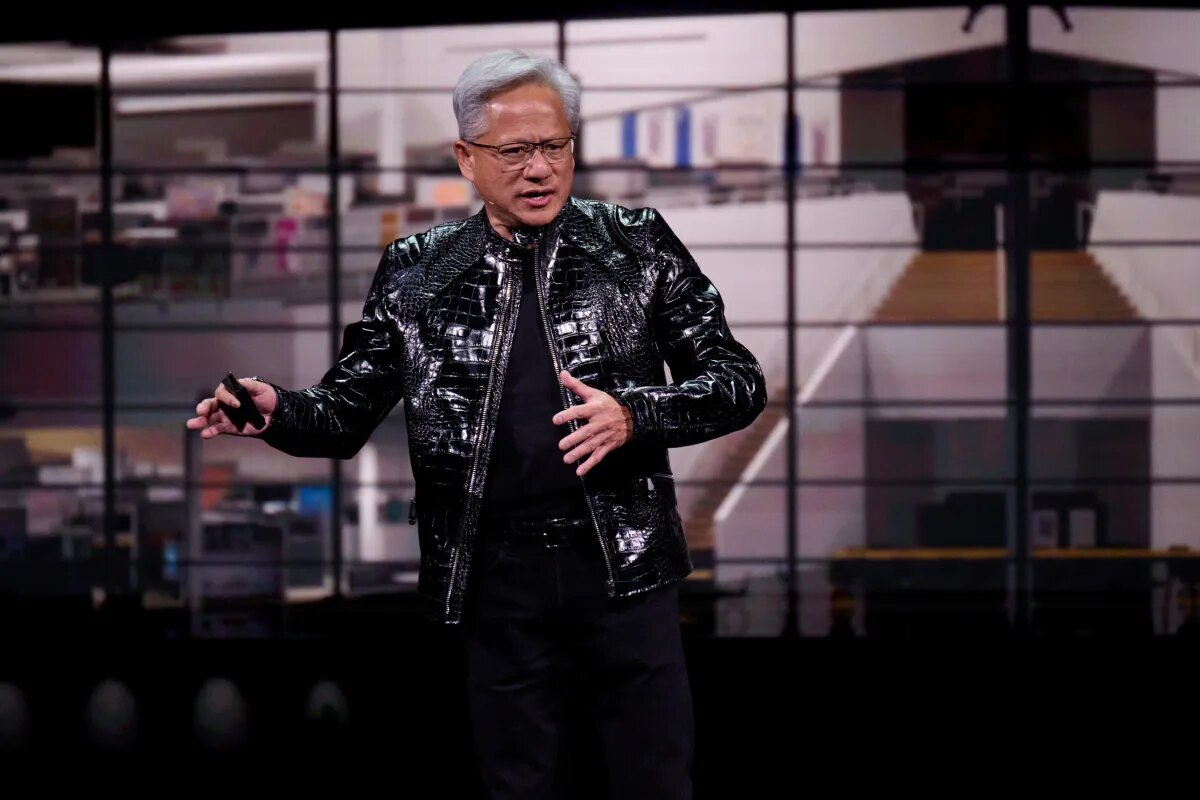
The Nvidia-led Open Secure AI Alliance has grown to more than 120 companies within a week and formed the Shared AI Findings Exchange, known as SAFE. The working group is already presenting proposals for open comment, with The Linux Foundation managing the submissions.
Members developed the proposals while gathering at the Black Hat cybersecurity conference in Las Vegas. The initial guidelines address confidential reporting of AI cybersecurity incidents, notification of affected parties, and blame-free analysis intended to help participants learn from failures.
From alliance launch to working proposals
The speed of the initiative follows the launch of the Nvidia-led AI security alliance, which began with Nvidia and 36 other companies and identified the first contribution as NOOA. SAFE now gives the broader membership a practical forum for defining how AI security findings may be exchanged.
The proposals remain preliminary rather than transformative. Their significance lies in establishing shared procedures for sensitive disclosures and post-incident review while the alliance is still taking shape.
Members are also contributing and cataloguing pieces of open-source technology that could support AI security. Over time, those components may coalesce into open-source capabilities for enterprises seeking to secure AI agents or defend against rogue AI attackers.
Tools and responsibilities across the membership
Nvidia points to its family of open models and Garak, an open-source vulnerability scanner for large language models. Okta is working on agent identity technology, while Red Hat is focusing on agent governance. Amazon has contributed Strands Agents, an open agent-building tool, and Cedar, an authorization language.
The alliance also includes Adobe, BlackRock, Cisco, Intel, Microsoft, Visa, and Hugging Face. Anthropic, OpenAI, and Google remain notable absences, although OpenAI and Google signed the open letter that led to the group, and both have released open-weight models.
A policy debate behind the technical work
The founding letter was signed by more than 200 technology companies and urged the White House to support open-source AI rather than constrain it. It followed reports that the Trump administration was considering a ban on Chinese open-weight models, a possibility that caused concern across the industry.
“Openness may be one of the most important paths to AI safety and security,” the alliance wrote in its letter.
For businesses deploying AI agents, the immediate implication is practical: monitor SAFE's proposed disclosure and review procedures, assess the contributed tools against existing controls, and determine whether a shared incident process can strengthen internal AI security operations.