


Former OpenAI Engineer Denies Covert Recording Charge
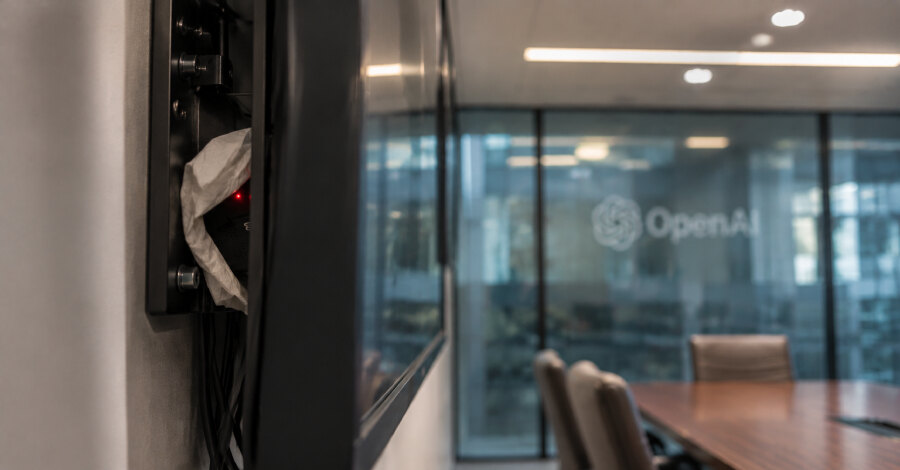
Former OpenAI engineer Abdulrahman Alfozan has pleaded not guilty in San Francisco federal court to a charge of intercepting oral communications. Prosecutors allege that he placed a sophisticated audio-recording device in an executive conference room at OpenAI in an effort to capture sensitive discussions.
Alfozan, a 35-year-old Saudi national, entered the plea on Friday. His next hearing is scheduled for November 17, 2026. A grand jury indicted him late last month on one count of interception of oral communications.
Charge carries prison and financial penalties
If convicted, Alfozan faces a maximum sentence of five years in prison, a fine of up to $250,000 and three years of supervised release. He has been held without bail since his arrest on October 9, 2026.
The alleged conduct centres on an executive meeting space, where prosecutors say the device was intended to record conversations without authorization. Court documents also state that Alfozan took extensive steps to create bespoke encrypted recording devices for meetings involving senior OpenAI personnel and executives.
Travel plans underpin flight-risk argument
Authorities arrested Alfozan three days before he was due to leave San Francisco for Riyadh on a one-way ticket with his wife and son. U.S. prosecutors said his wife and son left the United States without him after the arrest.
Prosecutors said the family initially planned to fly to Jeddah on October 11, but that journey was cancelled. A member of the Saudi military then booked and paid for a business-class flight to Doha for Alfozan's wife and son, who departed San Francisco on October 10, about 36 hours after his arrest.
A later court filing alleged that Alfozan had frequent WhatsApp contact with a member of the Saudi Royal Family. Those circumstances form part of the government's position that he presents a flight risk, alongside the allegation concerning encrypted recording equipment.
Why meeting-room security matters
The case illustrates that sensitive discussions can be exposed through physical access and covert hardware, not only through compromised accounts or network intrusions. The wider security context includes OpenAI security testing with Claude demonstrating how AI systems can also become targets in sophisticated security testing and attack research.
For organisations, the practical implication is to treat executive meeting rooms as protected environments: control physical access, establish clear rules for personal and recording devices, inspect sensitive spaces where appropriate, and include insider-risk scenarios in incident-response planning.