


OpenAI frames Dots as an always-on ChatGPT work assistant
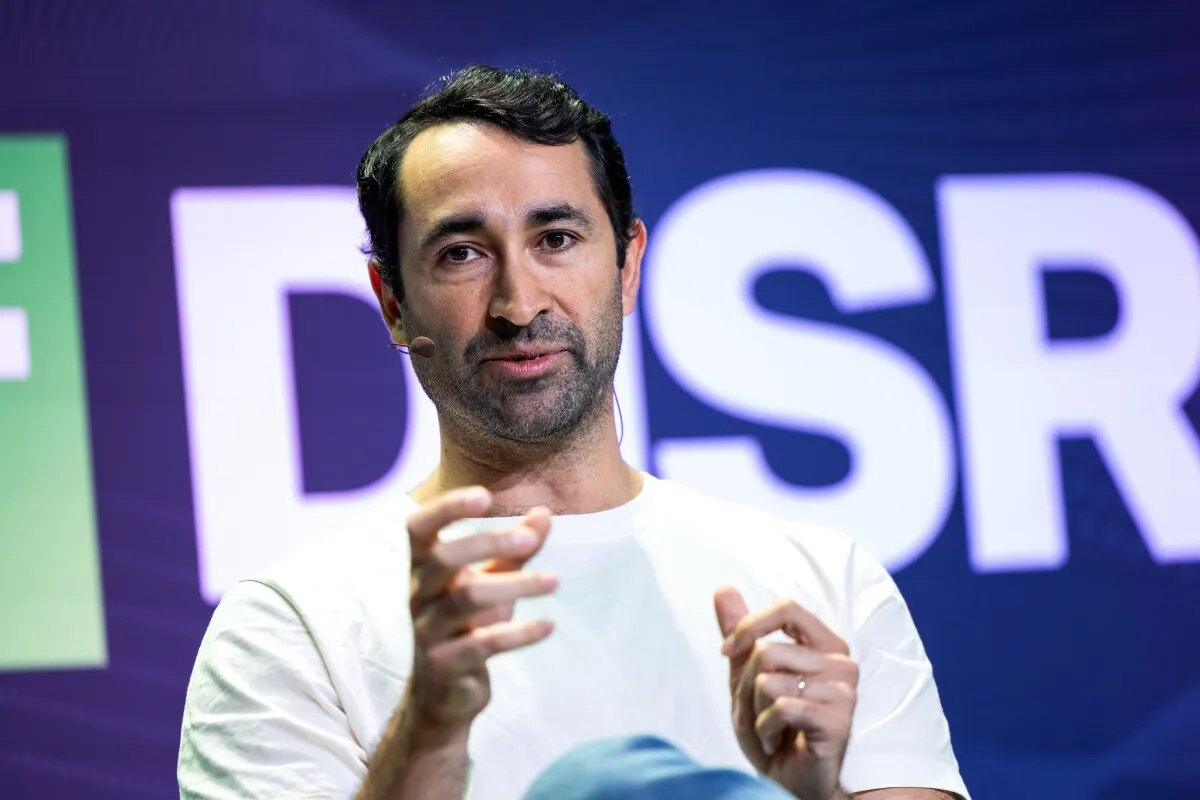
OpenAI has positioned Dots as a persistent personal assistant for ChatGPT desktop and mobile users on the Pro tier and above, with plans starting at $100 a month. Alexander Embiricos, who leads OpenAI’s enterprise product team, described the product at TechCrunch Disrupt as an effort to turn agent capabilities into a single, intuitive conversation that can continue working in the background.
Once connected to a user’s calendar, email, computer and other tools, Dots is intended to help with work without requiring continuous prompts. The service is designed to surface calendar conflicts, upcoming deadlines and other potentially useful information, although Embiricos acknowledged that early alerts could arrive too late to be actionable.
From coding agent to persistent assistant
Embiricos said much of Dots’ functionality could be achieved through OpenAI’s Codex app, its coding tool released earlier this year. The difference is product design: Codex requires more direction and supervision, while Dots aims to make persistent agent work feel accessible to people who are not managing software-engineering workflows.
OpenAI had already followed a similar route when it developed ChatGPT Work from agentic coding tools built for software engineers. The company’s choice of a mascot-like identity reflects its view that users more readily understand an assistant as a continuing entity rather than a collection of separate chats.
That product direction was also central to Dots leadership at TechCrunch Disrupt, where OpenAI’s Dots leadership appeared at TechCrunch Disrupt to outline the assistant’s enterprise context.
Proactivity requires access and controls
Dots includes what OpenAI calls “proactive research.” On a cadence, the assistant considers information from its conversations with the user and the resources to which it has been granted access, then researches ways it could be more helpful and proposes actions.
OpenAI says Dots uses the same privacy controls as ChatGPT. Users can disable model training so conversations are not used to improve OpenAI’s AI, and they can manage which computer resources the assistant can access. However, the controls are not yet highly granular, and the app does not accept read-only access to cloud drives.
Embiricos said OpenAI needs to build much more granular controls. He also noted that the product initially used conservative defaults and frequently requested permission, a design choice that drew criticism but can be adjusted over time.
Questions remain around agent interactions
OpenAI is also considering how agents can interact with the wider economy without overwhelming businesses, websites and payment systems. Embiricos said the company works closely with the ecosystem when extending an agent’s ability to act in the world and is in discussions with payment processors.
For businesses, the immediate implication is to treat Dots as a controlled productivity tool rather than an autonomous replacement for judgement: test alert quality, limit connected resources, and establish approval steps before allowing it to act on sensitive information.