


OpenAI rolls out Dots, persistent agents with cloud computers
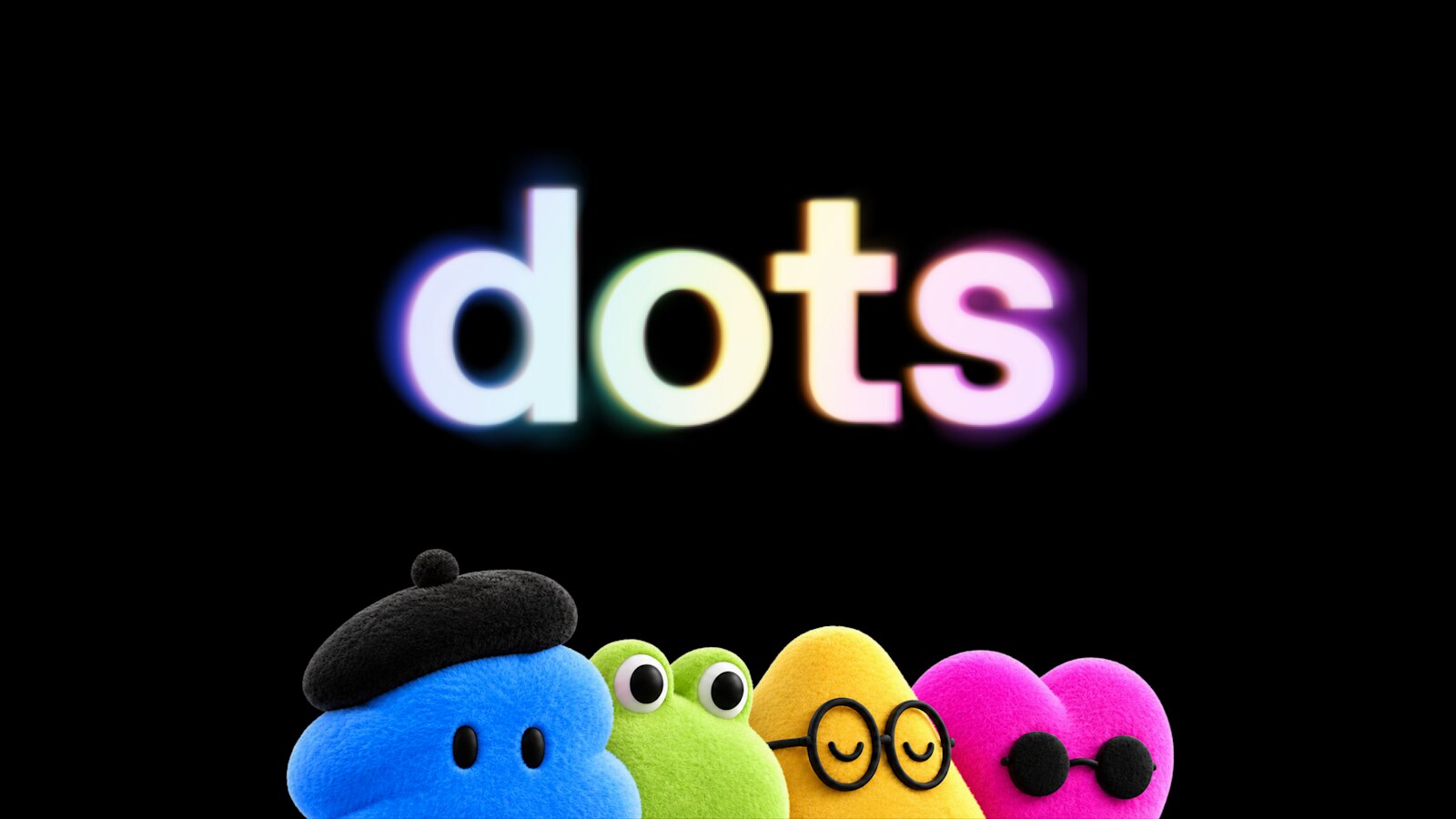
OpenAI has introduced Dots, a new category of persistent AI agents powered by GPT-6 Astra. Each Dot has its own cloud computer, browser and account for managing access and permissions, and OpenAI says the agents can connect through its plugin ecosystem to more than 4,000 applications.
Access is starting for ChatGPT Pro and Business Premium subscribers in supported countries and regions, while Enterprise users will be able to try a beta when their workspace administrator enables it. OpenAI is also opening limited early access for enterprise customers to specialised Dots with dedicated accounts and defined responsibilities.
Persistent work across business channels
Dots are designed to remain active around a user’s goals rather than operate only within an individual chat. They can be contacted in ChatGPT on the web, desktop and mobile, as well as through text messages, Slack and Teams. OpenAI says they retain context across those channels, allowing a project to begin in ChatGPT and be refined elsewhere.
The company describes Dots as agents that learn from feedback over time and can continue work around the clock. A Dot may write and test code when required, while users can open its cloud computer to inspect its work. Users can also choose to connect a Dot to devices such as a laptop so it can assist in the environment where they work.
Examples range from software fixes to sales proposals
OpenAI’s examples include identifying recurring customer requests, implementing small product improvements and bug fixes, testing them, and preparing pull requests with demonstration videos. Other proposed uses include revising product-launch materials when features change, rerunning scientific analyses as data arrives, and updating enterprise sales proposals during technical evaluations.
The company also cites content preparation: a Dot can review an interview transcript, select clips for short videos, draft episode descriptions and social posts, then incorporate approved edits. An early external tester’s Dot reportedly noticed an unissued invoice, prepared it and sent it after approval.
Permissions, approval rules and enterprise controls
OpenAI says Dots add security and privacy measures to ChatGPT’s existing safeguards. A Dot’s cloud computer is isolated from a user’s computer until the user elects to connect it. Where supported, the agent can sign into accounts with saved passwords without disclosing those passwords to the model.
For background “proactive research”, Dots can use limited tools to inspect connected applications. Those tools cannot send messages, change application content, or control a browser or computer. OpenAI says its safety systems look for malicious instructions and potentially dangerous behaviour, and a Dot may pause or stop work if it identifies a security threat.
Users select connected applications and manage permissions through ChatGPT’s existing app settings. Custom rules can allow, require approval for, or prohibit particular actions, while built-in security requirements remain in force. Dots assess actions that could affect accounts or disclose information; password changes are among the tasks that always remain with the user.
Rollout and business implications
The first Dot is included with Pro or Business Premium at no extra charge, with a quota for more complex work and increased limits during the first month after launch. Conversations with a Dot do not consume ChatGPT usage limits, although tasks run in Codex or ChatGPT Work use the normal limits. OpenAI plans to offer additional Dots, faster execution and higher task capacity for a fixed monthly fee in the future.
For organisations, the immediate implication is to start with bounded, repeatable work that has clear review points, define application access and approval rules before deployment, and retain human verification for decisions or actions with material consequences.