


OpenAI executive departures accompany infrastructure reorganization
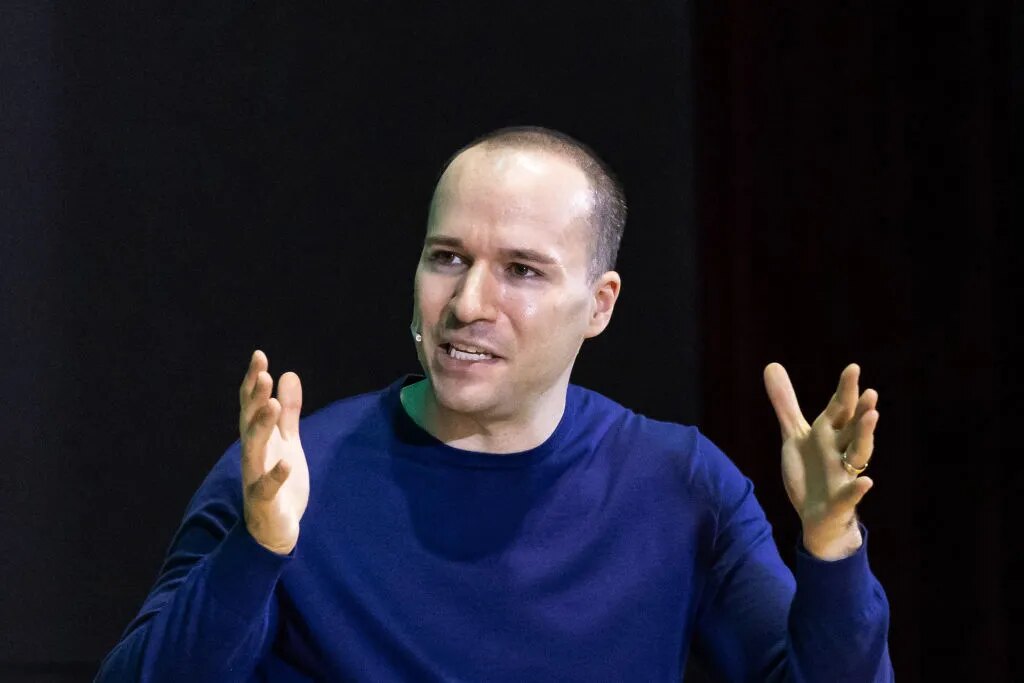
OpenAI has lost more than a dozen executives since the start of the year, including Sam Altman’s top deputy, its chief operating officer, chief revenue officer, chief marketing officer and several team leaders. The latest disclosed departure is Chris Malone, OpenAI’s head of data centers, who left last week after joining the company in March 2024.
The exits come while OpenAI continues to present a strong product and growth profile. Its latest publicly released model, GPT-5.6, is described as one of the market’s most capable and efficient models, while its desktop app for agentic coding and workplace tasks added roughly 15 million subscribers over the past two months. In June, the company also said it had confidentially filed going-public disclosures with the US Securities and Exchange Commission.
Infrastructure leadership moves under Greg Brockman
OpenAI told TechCrunch that Malone’s departure followed a reorganization of the infrastructure team. The team is led by vice president Sachin Katti and now reports to President Greg Brockman. That reporting structure is notable because compute investment is one of OpenAI’s central competitive assets against frontier-model rivals including Anthropic and SpaceX.
Brockman, OpenAI’s cofounder and president, played an important role in building the company’s early infrastructure. He lost most management responsibilities when Altman became chief executive in 2019, took a brief sabbatical in 2024, and has since returned. The infrastructure and product teams now report to him. Thibault Sottiaux, who leads OpenAI’s API and app offerings, told TechCrunch that “everyone reports to Greg at the end of the day.”
Revenue focus meets IPO preparation
Some departures were linked to health issues, while others followed efforts by Altman to reduce expensive side projects and focus on revenue-generating opportunities. The commercial shift also frames the appointment described in OpenAI revenue leadership appointment, which placed revenue leadership within a broader effort to strengthen OpenAI’s go-to-market execution.
The company has not commented on wider organizational changes. Yet the sequence of leadership changes coincides with the demands of a prospective public offering. OpenAI’s IPO is not expected until 2027, despite the confidential filing; the article notes that companies filing confidentially typically begin trading in about five months, while SpaceX did so in less than two.
What the turnover signals for customers and partners
OpenAI is reportedly growing revenue while losses also increase, whereas rival Anthropic is reportedly profitable and planning its own public debut. That contrast raises the stakes for a company that depends on substantial capital for frontier AI development and compute capacity.
For businesses using or building on OpenAI products, the practical implication is to monitor ownership of infrastructure, product roadmaps and commercial operations during the reorganization. Leadership turnover alone does not determine service quality, but it can clarify who controls the teams responsible for capacity, product delivery and revenue priorities.