


Baidu, Lyft and Freenow begin Apollo Go robotaxi testing in London
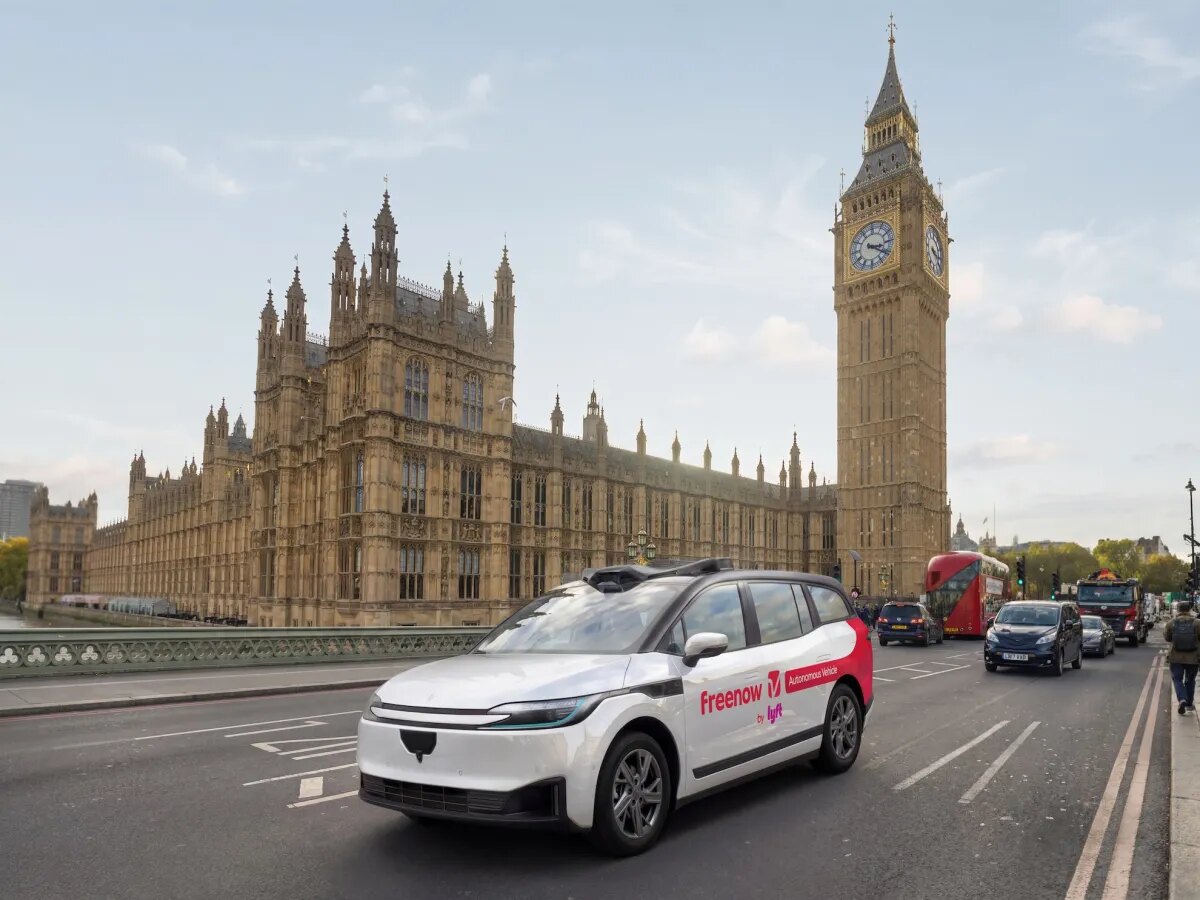
Baidu began testing its Apollo Go RT6 robotaxis in London on Tuesday through partnerships with Lyft and Freenow by Lyft. Dozens of vehicles with human safety operators will run in the borough of Brent, while public rides are targeted for 2027, subject to regulatory approval.
London becomes a European robotaxi battleground
The tests move Baidu closer to deploying its purpose-built autonomous vehicle through Lyft’s European platform. Lyft gained its foothold in the region by acquiring Freenow in 2025 for about ? million.
Competition is intensifying. Waymo began supervised testing in London in April, while Uber and Wayve plan to introduce a service this year. Their first vehicles will also carry safety operators before progressing to fully driverless operation.
Regulation and hybrid fleets will shape deployment
Baidu and Freenow have not provided a detailed launch schedule. They are continuing discussions with Transport for London and the Centre for Connected and Autonomous Vehicles as the UK develops its regulatory framework.
The government opened applications in May for an autonomous vehicle pilot programme under official oversight. Freenow intends to operate a hybrid network in which conventional taxis and private-hire vehicles work alongside robotaxis.
“As a platform with deep roots in the taxi industry, our priority is ensuring that autonomous technology supports the professional drivers who keep London moving,” Thomas Zimmermann, CEO of Freenow by Lyft, said.
For mobility businesses, the practical issue is no longer whether autonomous fleets will enter major European cities, but how quickly regulation, dispatch systems and operating models can accommodate them. Companies should prepare for mixed fleets, stricter safety governance and a gradual transition rather than an immediate replacement of professional drivers.