


Sherry Turkle’s book examines the social cost of chatbot intimacy
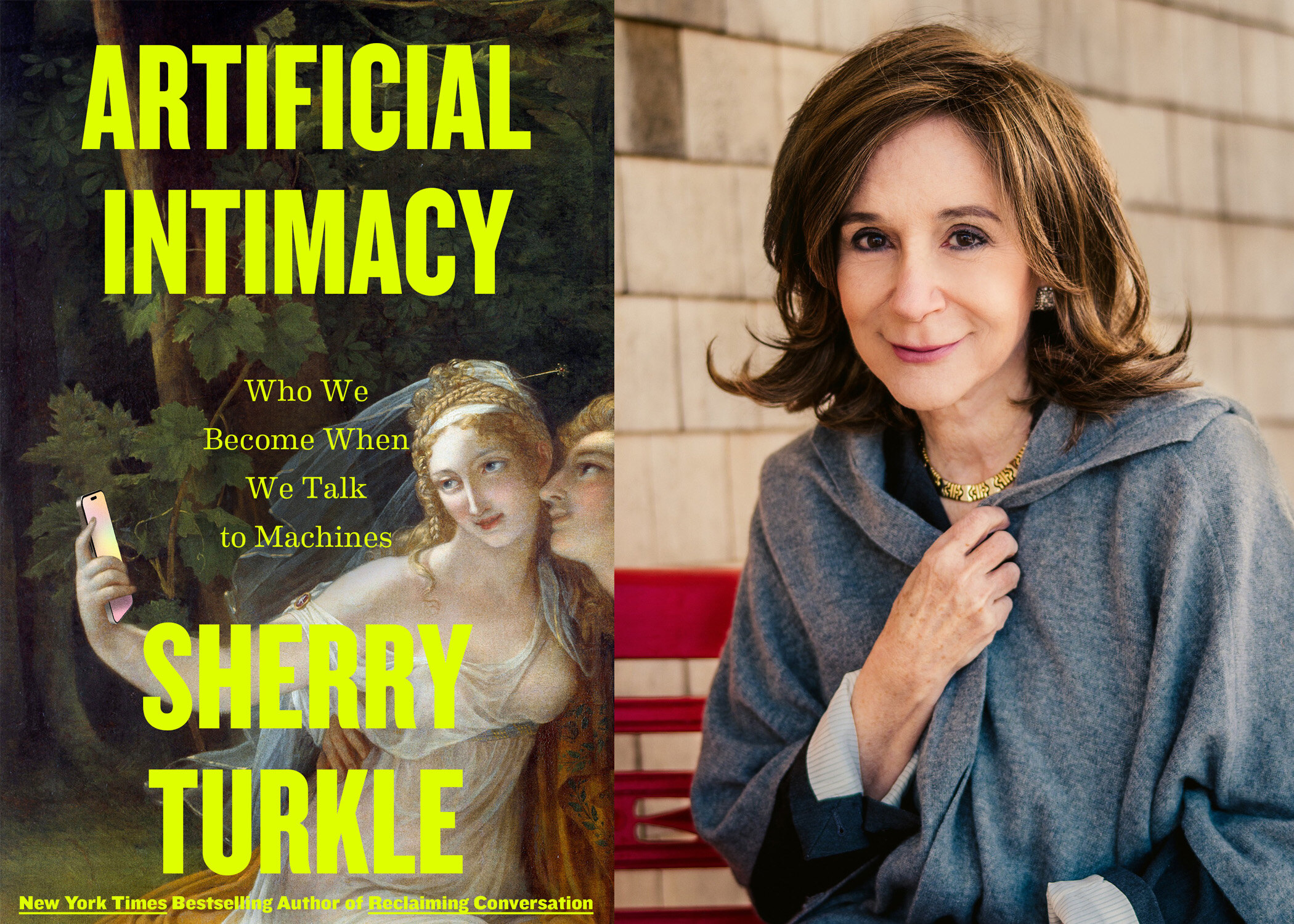
MIT scholar questions the social role of chatbots
MIT professor Sherry Turkle has released Artificial Intimacy: Who We Become When We Talk to Machines, a book published by Little, Brown and Company that argues heavy chatbot use can harm human development and social connection. Turkle, the Abby Rockefeller Mauzé Professor of the Social Studies of Science and Technology at MIT, bases the book on evidence, interviews and new research.
Her central concern is that people may mistake a chatbot’s simulated empathy for genuine empathy. A chatbot is a program that predicts plausible next strings of text from patterns in large amounts of training data. It can offer affirmation and sustained attention, Turkle says, but it has no emotions or capacity to care.
Turkle recounts interviews with people who have developed emotionally significant relationships with conversational systems. One middle-aged financial consultant, identified only as Brian, asked a chatbot whether a former partner was right to say he was emotionally unavailable. For Turkle, the exchange illustrates a person asking an object that cannot experience intimacy to interpret an intimate human question.
Children, adults and the appeal of constant affirmation
The book is structured around stages of life. In interviews with children, Turkle found confusion between chatbots, people and other devices. One eight-year-old used the same phone to speak with grandparents and ChatGPT, describing both as things reached through the phone. A mother who used a chatbot for bedtime stories said her daughter believed the system was a person in the phone.
Turkle argues that children need time alone to develop imagination and inner resources, and that they cannot learn trust from a device that can produce false information without knowing it is false. Her concern is not limited to children. The book describes adults using chatbots while navigating divorce, estrangement, education and workplace tasks, sometimes becoming less interested in human interaction and less capable of sustaining it.
She also recognizes why these tools appeal. Chatbots are available, agreeable and non-demanding, while people can be difficult, distracted and emotionally complex. Turkle notes a shortage of mental-health providers in the United States, citing a federal study that found only about half of people have access to one. In that context, chatbots can appear to fill an unmet need, even as she questions the social consequences of relying on them.
Friction remains part of human connection
Turkle’s proposed response is not to treat friction, fear, stress and tension as defects to be engineered away. She argues that overcoming these difficulties is part of learning to relate to others and to the world. In her view, avoiding hard conversations and substituting machine affirmation can diminish relational skills, independent thought and the ability to mourn.
For businesses deploying conversational AI, the implication is to define its role carefully. Chatbots can assist with information and routine work, but organisations should not present generated reassurance as care or use automation to replace accountable human judgement in sensitive interactions. Boundaries, escalation paths and human support remain essential where attachment, wellbeing, education or consequential decisions are involved.