


SpaceX’s first earnings call exposes a gap between forecasts and commitments
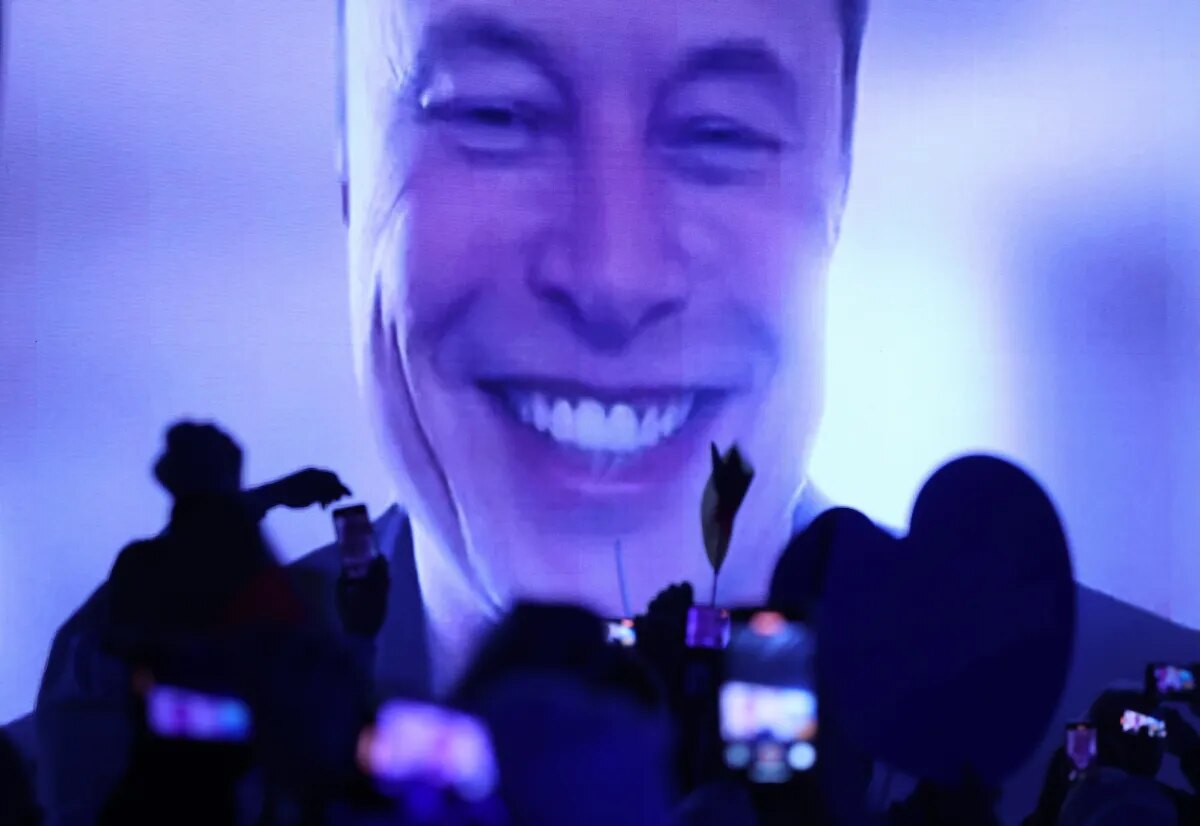
SpaceX’s first earnings call as a public company paired Elon Musk’s expansive forecasts with more qualified statements from chief operating officer Gwynne Shotwell and chief financial officer Bret Johnsen. Musk said Starlink could deliver a majority of the world’s internet in less than 10 years, while executives framed the opportunity in narrower operational and financial terms.
The call also produced major numbers for SpaceX’s compute-leasing business. Johnsen said the company had contracted an additional $6.7 billion in cloud-services revenue during the first weeks of the third quarter, covering a six-month period that begins ramping in October. He said new compute capital deployments currently have a payback period of less than one year.
Starlink V3 raises the capacity ambition
Musk linked his internet forecast to the first V3 Starlink satellites, which offer much higher bandwidth than earlier versions. He limited the claim to countries where Starlink is permitted to operate, which he described as the vast majority of countries.
Shotwell subsequently said V3 capacity would support better service while allowing Starlink to serve more customers worldwide. Her stated expectation was that Starlink would represent a significant portion of global internet traffic in the years ahead, rather than necessarily a majority.
Cloud revenue targets move into focus
Johnsen said robust demand was visible across SpaceX’s three business segments, particularly cloud-services arrangements. Including a contribution from Cursor, he said the company believed it was on a trajectory to reach $100 billion in annualized revenue run rate by year-end, based on expected December revenue.
Musk later removed much of that qualification, saying $100 billion in December ARR was what SpaceX would achieve if it “basically did nothing” and that the figure would probably be higher. He also said internal projections for reaching $1 trillion in revenue had moved from 2031 to 2030, with a non-zero chance of reaching it in 2029.
Those targets extend the mix of AI infrastructure and launch-system ambitions set out in SpaceX’s S-1 filing and its AI and Starship strategy ahead of the company’s public-market debut.
Starship claims meet milestone requirements
Asked about the human landing system under development for NASA’s Artemis missions, Musk suggested Starship could be ready to carry people by the end of next year. He also said SpaceX could be flying Starship once a day, or possibly more, by this time next year.
Shotwell redirected attention to NASA-mandated milestones and said the company wanted to put “boots on the moon” in 2028. Achieving that goal requires Starship to demonstrate reliable flight and full reusability.
The improved heat shield delivered its best results on the latest test flight, whose upper stage splashed down in the Indian Ocean last month and remained intact. Before the stage had been recovered, however, Musk said he considered the heat-shield problem solved.
What businesses should track
SpaceX’s public status gives investors more financial visibility, but the call showed why headline forecasts and formal operating commitments must be separated. Businesses assessing the company should track contracted cloud revenue, V3 deployment and capacity, NASA milestones, Starship flight reliability and reusability rather than treating every long-range scenario as an achieved result.