


Tesla Sets €3 Billion Berlin Expansion for Cybercab Manufacturing
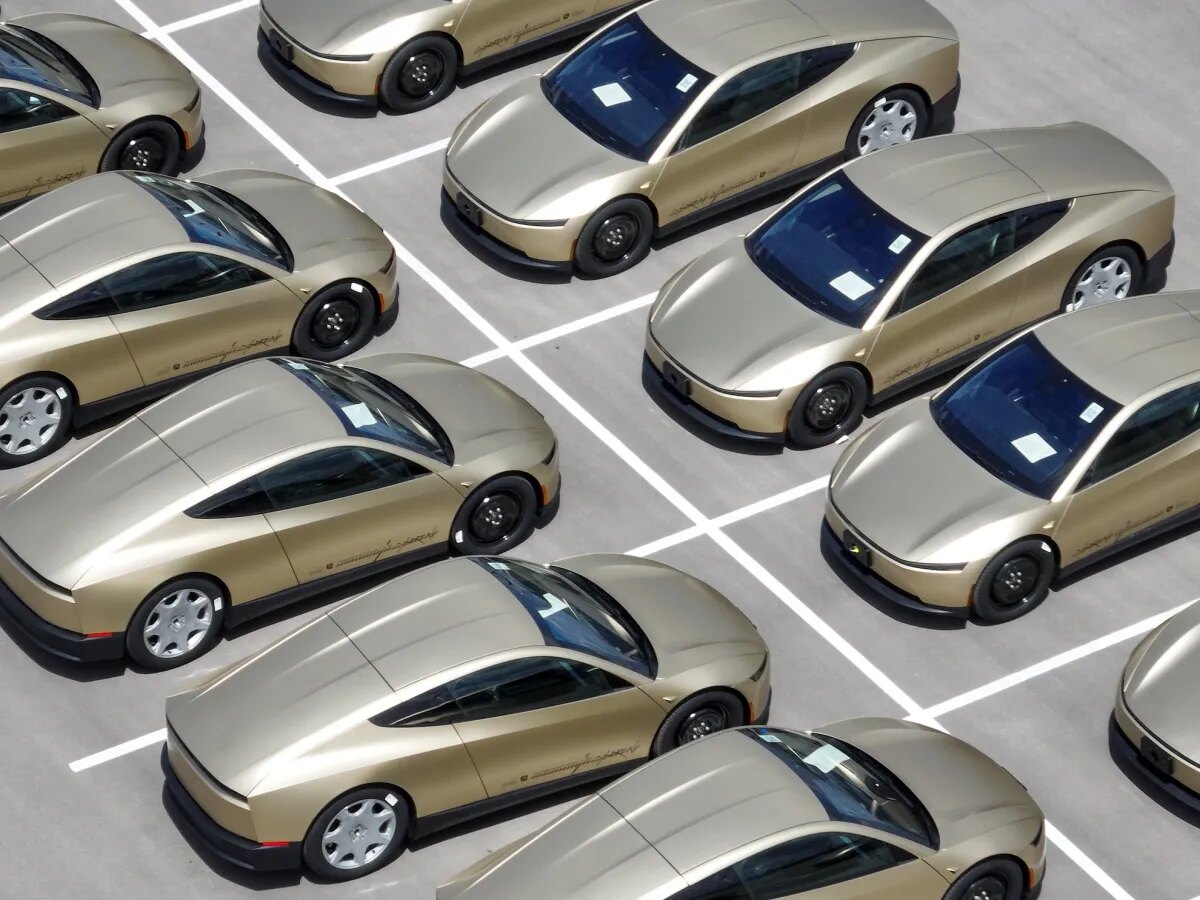
Tesla targets Cybercab output in Berlin from 2029
Tesla plans to invest €3 billion ($3.3 billion) to expand its Gigafactory Berlin in Grünheide, east of Berlin, and begin building its two-seat Cybercab there in 2029. André Thierig, Tesla’s senior director of manufacturing for the site, said the new building could produce up to 1 million vehicles a year.
Construction is expected to start in the first half of 2027. Thierig said the expansion would make the Berlin facility Tesla’s most technologically advanced factory. The commitment comes two months after Tesla put its first Cybercabs on the road and publicly launched the vehicle in September.
Robotaxi manufacturing becomes a central Tesla priority
The golden-hued Cybercab has no steering wheel or pedals and is designed for fully automated driving. It was first revealed in 2024 and has become central to Tesla’s stated push to operate as an AI and robotics company rather than solely as an automaker.
Tesla is also reallocating manufacturing capacity in the United States. It has said it will end Cybertruck production next year partly to make room for Cybercab manufacturing in Austin, Texas. The domestic rollout is extending beyond Austin, as Tesla’s Cybercab expansion plans for Dallas places Dallas within Tesla’s planned US expansion while the dedicated Cybercab fleet continues to grow.
Tesla has about 1,307 robotaxis registered in Texas, most of them modified Model Y vehicles operating robotaxi services in several cities. About 573 Cybercabs are on roads in Austin and are expected soon in Dallas. Tesla says the Cybercabs have had no major incidents in more than two months of operation, although their service has been restricted from driving late at night while the company works to extend operating hours.
Autonomy design and regulatory questions remain material
Tesla’s technical approach differs from competitors such as Waymo. Its self-driving system relies solely on cameras rather than adding sensors such as lidar. Camera data is intended to mimic human vision, but AI models can struggle to interpret situations that extra sensor data may help clarify without sufficient training.
The Cybercab also lacks equipment traditionally found in motor vehicles, including items required under federal safety standards. Federal regulators are investigating Tesla’s self-certification of the vehicle. Tesla’s current Full Self-Driving (Supervised) system, by contrast, is an advanced driver-assistance system that still requires a human driver to pay attention.
The Berlin project therefore links a large European production commitment to Tesla’s gradually expanding robotaxi programme. For businesses monitoring autonomous transport, the practical implication is that planned capacity and deployment milestones should be assessed alongside operating restrictions, sensor choices and the regulatory path for driverless vehicles.