


India introduces UPI merchant fee for higher-value payments
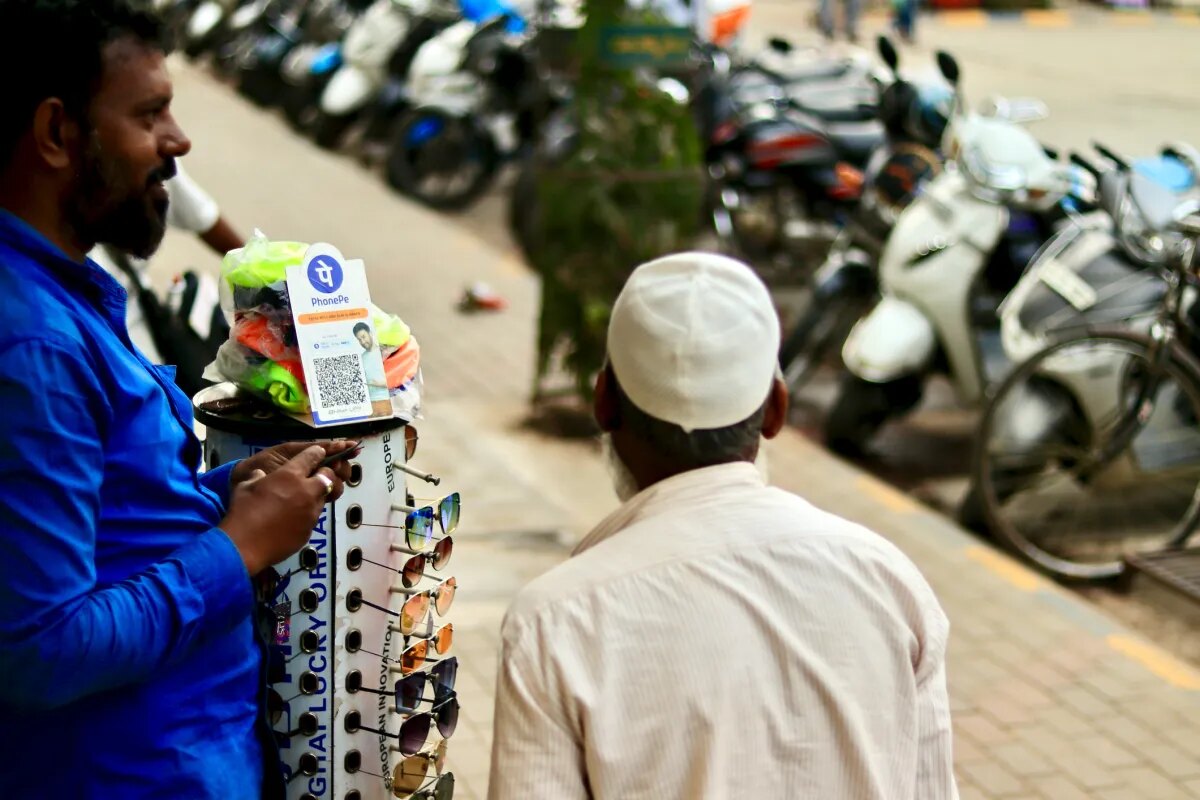
India’s Unified Payments Interface (UPI) will begin charging merchants a 0.4% fee on certain payments above ₹2,000 from October 15, ending a zero-fee model for larger transactions that has been in place since 2020. The National Payments Corporation of India (NPCI), which operates the network, said consumers will continue to use UPI without a direct charge.
The fee is capped at ₹300 for transactions of ₹75,000 or more. Merchant payments of ₹2,000 or less will remain free, as will small merchants that receive up to ₹100,000 a month through UPI. NPCI said transactions at or below the ₹2,000 threshold account for more than 95% of UPI merchant payments by volume.
A new funding model for a high-volume network
UPI has become central to India’s digital payments economy, making QR-code payments a routine checkout method across the country. NPCI recorded 24.51 billion UPI transactions worth ₹29.9 trillion in August alone. India removed merchant fees on UPI transactions in January 2020 to accelerate adoption, while the government subsidised banks and payment firms for processing some payments.
Authorities have increasingly argued that the model is difficult to sustain at UPI’s current scale. Industry estimates cited by NPCI put annual operating costs, including server capacity, fraud prevention and technical support, at about ₹200 billion. NPCI did not state how it calculated that figure, how much the new fees may raise, or how the proceeds will be divided among ecosystem participants.
Fees follow a legal change
New Delhi amended India’s payments law in August to permit merchant fees on some UPI transactions. A notification issued on Monday then specified that banks cannot charge for UPI payments of up to ₹2,000, clearing the way for fees on higher-value merchant transactions.
NPCI said the merchant fee will be distributed among UPI participants and used to support infrastructure, cybersecurity, fraud prevention and customer service. It also plans a fund for expanding digital-payment infrastructure and merchant adoption in smaller cities and rural areas. NPCI said it will work out the fund’s details with India’s central bank over the next three months.
What merchants and payment firms must watch
Payment companies that have invested in UPI processing infrastructure, including Paytm, Pine Labs, PhonePe and Razorpay, could receive a revenue benefit from the new distribution model. But the commercial effect will depend on merchant behaviour once the charge takes effect, particularly for larger purchases and businesses operating on thin margins.
NPCI said merchants cannot pass the fee to customers and should charge the same listed price regardless of whether a customer uses UPI. For businesses, the practical implication is to identify UPI receipts above ₹2,000, confirm whether the small-merchant exemption applies, and incorporate the 0.4% cost into payment-margin controls before October 15.