


BloombergNEF sees major natural gas demand from US data centers
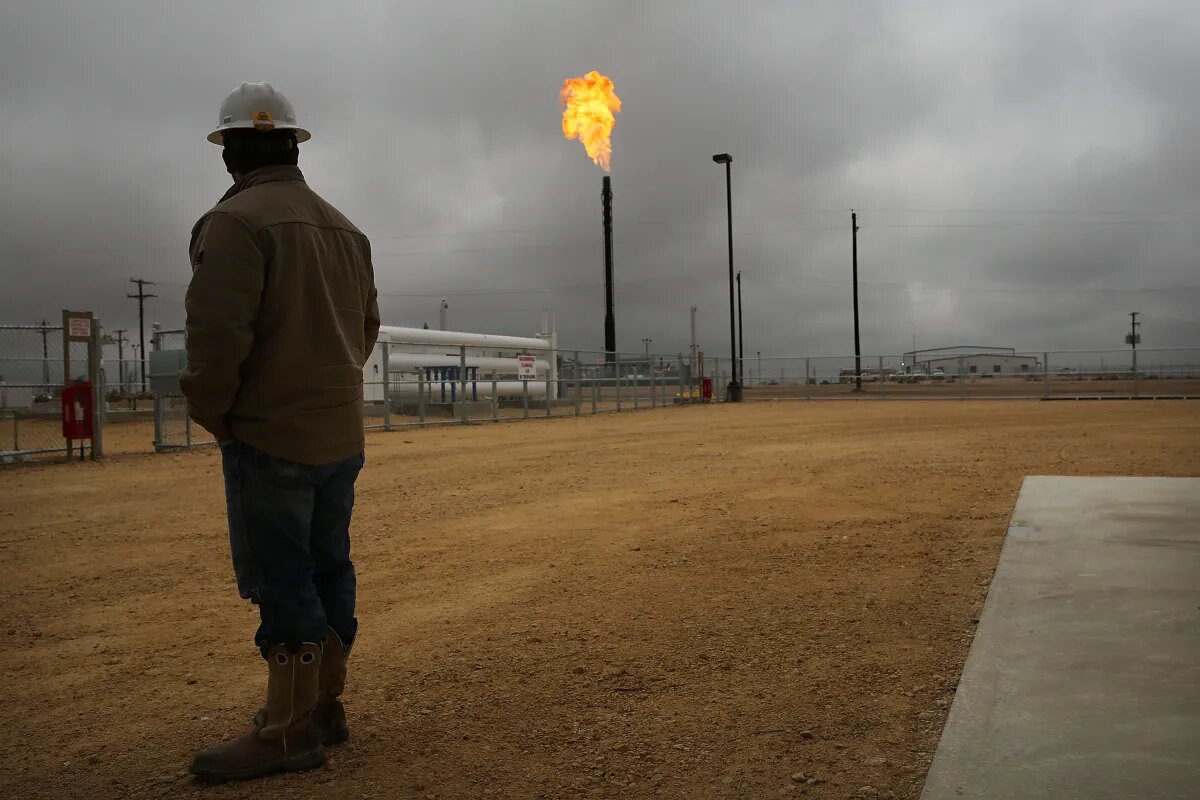
US data centers could consume about 18 billion cubic feet of natural gas per day by 2035, an amount BloombergNEF says would exceed the combined consumption of Germany and Japan. The projection is nearly twice the level the organization forecast only nine months ago, even after accounting for announced data-center projects that may not be completed.
Over the next decade, BloombergNEF expects data centers to become the second-largest driver of US natural-gas demand growth, behind liquefied natural gas exports. The outlook highlights how the expansion of AI infrastructure is becoming entwined with fuel supply, electricity generation and utility planning.
Grid demand is expected to dominate
Some major technology companies are pursuing on-site generation that bypasses the grid. Meta, Microsoft, Google and Amazon have announced plans for new natural-gas power plants serving data-center projects. BloombergNEF estimates that facilities with on-site power could consume 2.9 billion to 3.4 billion cubic feet per day by 2035.
That volume alone is roughly equivalent to the natural gas consumed by all data centers today, including gas used to generate grid electricity. Yet BloombergNEF expects the larger effect to come from grid-connected facilities, which are projected to add 15 billion cubic feet per day of natural-gas consumption in the power sector by the middle of the next decade.
The scale of the shift aligns with AI data-center energy demand outlook as electricity needs rise alongside AI-led data-center construction. BloombergNEF says projected growth from grid-connected data centers would be five times greater through 2035 than demand growth from all other grid-connected sectors combined.
Price and emissions exposure
Natural-gas prices have remained sufficiently stable in recent years for much of the current data-center buildout to rely on them. Analysts at Noreva, however, warn that the combination of expanding data centers and rising LNG exports could push prices sharply higher. Technology companies may have the financial capacity to absorb higher energy costs, while utility ratepayers may face a different burden.
The forecast also carries a substantial climate implication. The International Energy Agency estimates that burning one cubic foot of natural gas produces the equivalent of 60 grams of carbon dioxide when extraction, processing and distribution are included. BloombergNEF's projected additional demand from data centers would generate 1 million metric tons more greenhouse-gas pollution each day, about 12% of current total US emissions.
Infrastructure planning becomes a business issue
For organizations building or procuring AI capacity, the projection makes electricity access, fuel-price exposure and emissions consequences material planning factors. Data-center decisions will increasingly need to account for how power is supplied, not only for available compute capacity.