


Vijay Pande’s VZVC targets five concentrated AI biotech bets
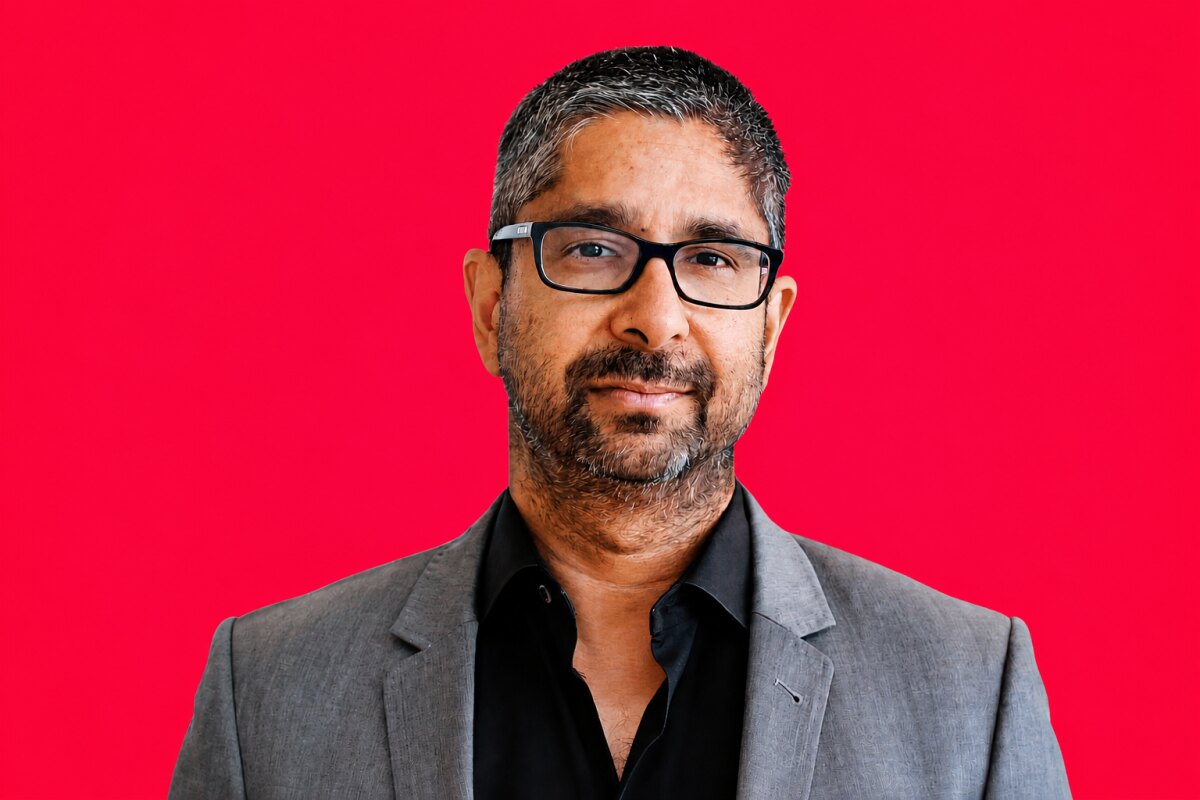
Vijay Pande, who built Andreessen Horowitz’s healthcare and life-sciences practice to nearly $4 billion in assets under management, has launched VZVC with longtime investor Zach Werner. The new firm plans to make about five concentrated investments a year rather than the roughly 30 bets Pande contrasted with a typical high-volume model.
VZVC is intentionally lean: Pande and Werner handle investing themselves, and the firm has no associates. They had considered hiring, Pande said, but decided the AI agents they had built removed that need. Its areas of focus include AI for healthcare delivery and AI for clinical trials.
A smaller firm built for hands-on investing
Pande describes each new portfolio company as a major, long-term commitment rather than a quick addition to a list. He said the firm is generally not trying to win a crowded “hot round”; instead, founders make room for the partners because of the work they can do directly with companies.
That approach follows a shift from the larger platform Pande ran at Andreessen Horowitz. He cited Antonio Gracias at Valor and Thrive’s concentrated portfolio as influences, while saying a16z remains part of how he thinks about venture investing. For founders, his stated selection criteria include mutual trust, integrity and a relationship that can extend five to 10 years or longer.
AI’s promise in drug development depends on data
Pande said AI and machine learning are helping researchers identify disease targets, design drugs and potentially assist clinical trials. Yet he cautioned that lower costs in clinical trials remain an aspiration. Trials can still cost hundreds of millions of dollars, and he put the probability of a drug succeeding from its first trial through the end of Phase III at 20%.
Many failures occur because drugs are designed and tested using animal models that are not sufficiently predictive of human outcomes, he said. The opportunity is for AI models to outperform those models, even if they are not perfect. In precision medicine, he also sees potential to evaluate an individual’s measurements against what is normal for that person, rather than population averages alone.
Biological datasets remain a constraint
Unlike internet text, biological data cannot simply be scraped at scale or distilled freely between models, Pande said. Companies therefore tend to build protected datasets, creating a central constraint for AI in biotechnology. He expects biological-information atlases, often implemented as foundation models, to become more common and sees scope for open-source biology models to have broad impact.
The practical implication for healthcare and biotech leaders is to treat data access, measurement quality and clinical validation as core operating questions. A sophisticated model may generate useful insights, but it cannot replace the biological data required to support a reliable decision or a viable route to market.