


Waymo Details 5 nm ASIC Behind Its Sixth-Generation Robotaxi System
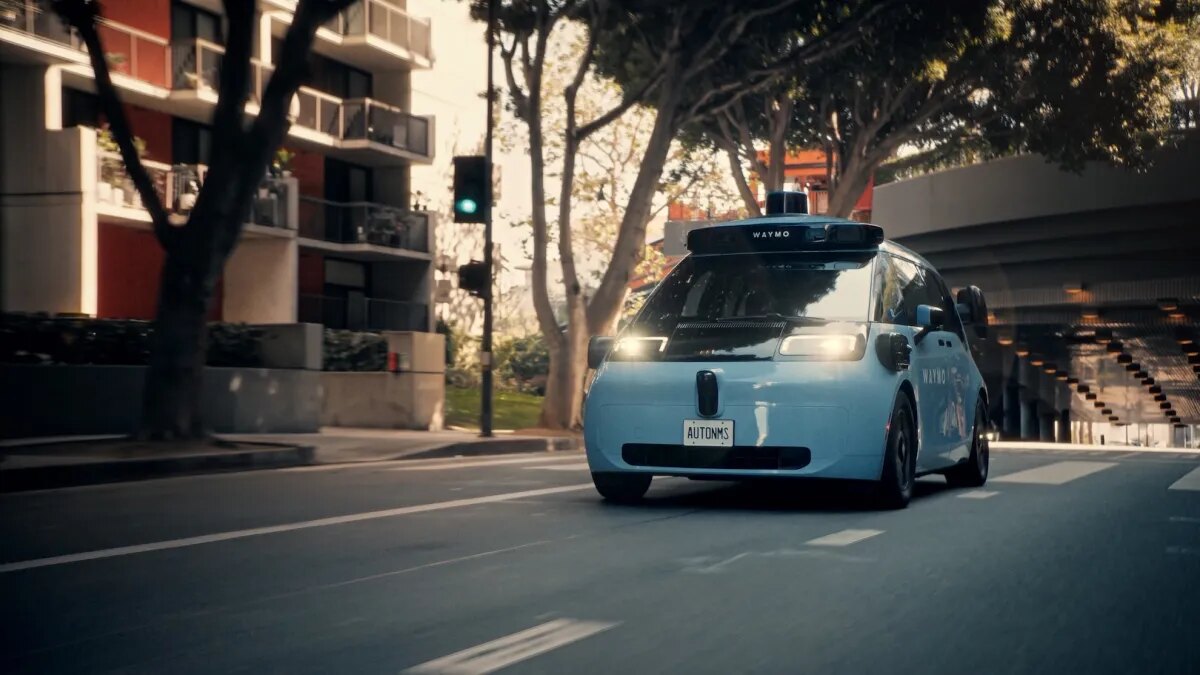
Waymo has disclosed that its sixth-generation self-driving system uses a custom 5 nm application-specific integrated circuit, or ASIC, to process raw sensor data before it reaches the system’s core computing “brain.” The company says the chip delivers more than 1,000 TOPS, or trillions of operations per second, and is part of the technology stack in its next-generation Ojai robotaxi.
The disclosure adds technical detail to Waymo’s expansion plans. The company has opened the Ojai robotaxi to all riders in Los Angeles, Phoenix and San Francisco, and has repeatedly said the newer vehicle is cheaper to build, operate and maintain. Those economics are central to its stated ambition of making robotaxi operations profitable.
A dedicated stage for sensor data
Waymo describes the ASIC as a processor for the large volume of raw data entering the autonomous-driving system. The Ojai carries 13 high-fidelity cameras, illustrating the scale of information that must be handled before higher-level driving decisions are made.
At more than 1,000 TOPS, the chip operates in roughly the same performance range cited for Nvidia’s latest DRIVE AGX Thor automotive processor. Waymo says its in-house design contributes to “unmatched efficiency and performance” and is a critical component for reacting quickly and safely in complex, high-density urban environments.
The company is not pursuing the compute effort alone. It named AMD, Micron, Nvidia, Samsung, Sandisk, Socionext and TSMC among its partners, underscoring that its vertically integrated approach still depends on a broad semiconductor and component supply chain.
Why the hardware disclosure matters
Waymo’s expansion has often focused attention on where its robotaxis can operate. The custom-chip announcement instead highlights the hardware economics required to extend a driverless fleet. A dedicated processor can address a particular workload before data is passed to the central system, while Waymo positions the full sixth-generation platform as less expensive to build, run and service.
The broader operating context for robotaxis remains active. In Nevada, Waymo, Tesla and Uber received permits to operate commercial robotaxi services in Clark County, where the permits could collectively allow up to 8,000 robotaxis over 12 months. Waymo has also responded to National Highway Traffic Safety Administration questions in an investigation into a low-speed crash involving a robotaxi and a child; the released responses have been redacted.
For context on the changing autonomous-vehicle landscape, Waymo developments and evolving AV rules outlines how Waymo’s developments sit alongside new AV rules and other robotaxi activity. The latest disclosure makes the commercial implication more concrete: businesses evaluating autonomous mobility should examine sensor processing, semiconductor partners and lifecycle costs alongside the visible vehicle service.