


Waymo Makes Ojai Robotaxi Available to All Riders in Three Cities
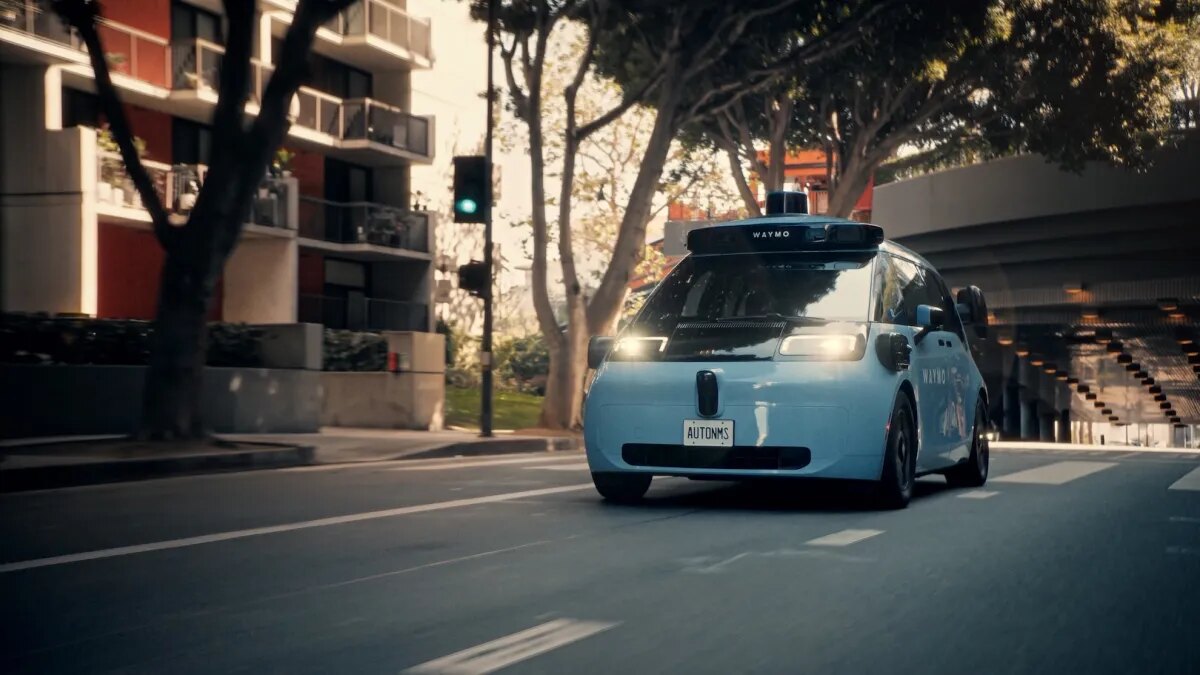
Waymo has opened its next-generation Ojai robotaxi to all riders in Los Angeles, Phoenix and San Francisco. The Alphabet company has about 300 Ojai vehicles in its commercial fleet, and customers hailing a ride in those markets may now be matched with one of the new autonomous minivans.
The launch is part of Waymo’s effort to expand with vehicles designed to be cheaper to build, operate and maintain than its long-serving modified Jaguar I-Pace robotaxis. Waymo said it expects to introduce the Ojai in Denver, Las Vegas and San Diego later this year.
A platform designed for fleet expansion
The Ojai uses Waymo’s sixth-generation self-driving system. The company describes that system as modular and intended to work across multiple vehicle types, making it central to its commercial strategy. The vehicle also includes a redesigned rider interface and Google’s Gemini AI, which serves as an in-car assistant.
Beneath the autonomous-driving hardware, the Ojai is a minivan made by Zeekr, the Geely Holding Group-owned brand. Waymo began its partnership with Zeekr in 2021, then spent years testing prototype and production-intent versions of the vehicle.
The minivan is built on Zeekr’s SEA-M platform, an updated version of its Sustainable Experience Architecture for vehicles such as robotaxis and delivery vans. Its design brief combined rider accessibility and appearance with durability for near-constant use, as well as lower construction and maintenance costs. The shift follows Waymo's Zeekr-based Ojai robotaxi launch as Waymo moves from introducing the Zeekr-based vehicle toward wider passenger access.
Imports remain a cost consideration
Waymo’s lower-cost fleet ambition is complicated by tariffs on vehicles built in China. Those import duties raise the cost of every Ojai brought into the United States. The base Zeekr vehicles arrive without Chinese connected-car technology and are then sent to Waymo’s Arizona factory, where the company installs its self-driving system.
New York research firm MoffettNathanson, which tracks Ojai imports through detailed shipping receipts, estimates that Waymo is on pace to bring 5,000 Ojai vehicles into the United States by the end of 2026. That volume would be more than double Waymo’s current Jaguar fleet. In July alone, 725 Ojais entered the country.
Waymo’s robotaxi service now operates in 11 US cities, while the Jaguar I-Pace remains part of the fleet. Until Waymo has more Ojais in service, riders will be matched with the available vehicle; later, they will be able to choose between the Ojai and the older Jaguar robotaxi.
Business implication
For businesses monitoring autonomous mobility, the rollout makes fleet scale, vehicle supply and import costs as important as the driving software: deployment plans should account for service-area availability and the economics of the underlying vehicle platform.