


Wispr raises $280 million to broaden its AI voice product range
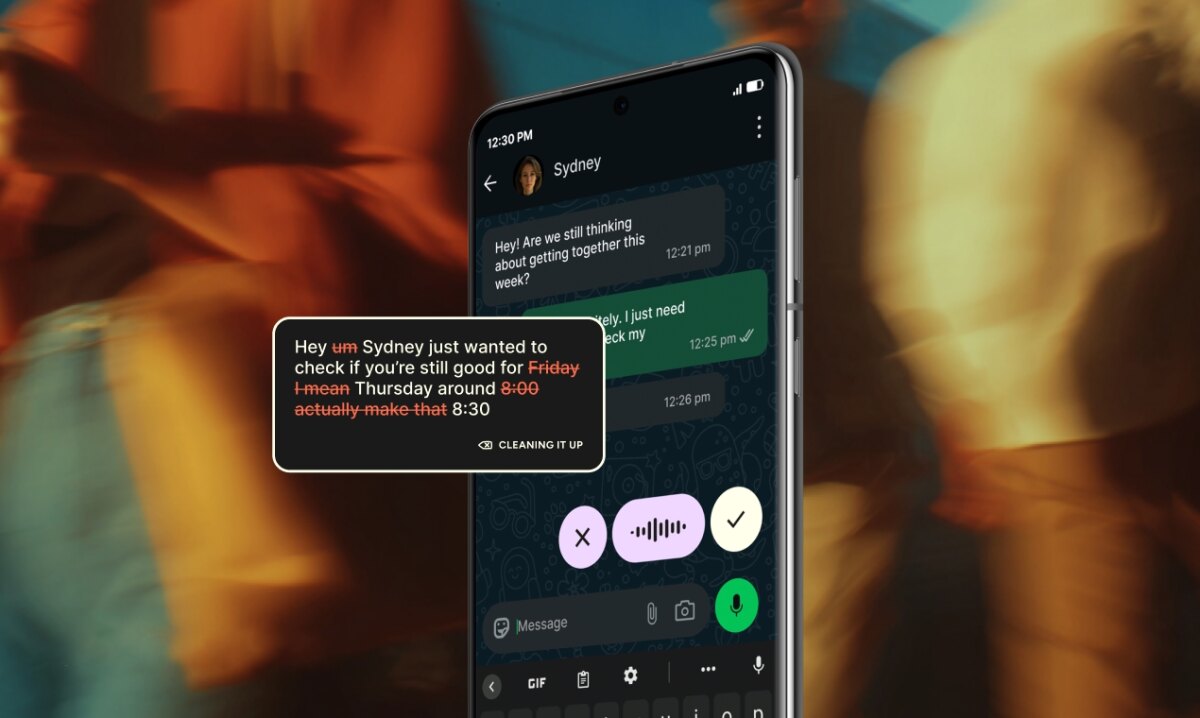
Wispr has raised $280 million in a Series B round led by Menlo Ventures at a $2 billion valuation. The startup, known for its AI dictation product Wispr Flow, said the financing brings its total capital raised to $361 million and will support expansion into areas including meeting software.
The round follows Wispr’s previous financing by less than 10 months. Existing backers Notable Capital, NEA, Neo Ventures, 8VC and MVP Ventures participated again, while Acrew, Forerunner, Goodwater, Peak XV, Together Fund and PLUS Capital joined as new investors.
A push beyond voice dictation
Alongside the funding announcement, Wispr launched Canto, a new speech-understanding model intended to improve dictation quality. The company said Canto will reduce error rates from 30% to less than 10%. The release follows several weeks of user complaints about a decline in the quality of dictation output from Wispr Flow.
Wispr is operating in a more crowded market for speech-driven tools. Willow, Monolouge, Aqua and Superwhisper are among the competing applications, while developers are also releasing free or lower-cost products aimed at prosumers. In that environment, speech recognition quality and practical workflow coverage are central product considerations.
Meetings, devices and new interfaces
Wispr has also released a meeting notetaker that can show summaries and action items. The product places the company alongside services such as Granola, Fireflies and Read AI. The source notes scope for the notetaker to connect with other tools and carry out tasks such as making updates, creating documents or preparing email drafts.
Since November, the company has brought its dictation app to Android and expanded go-to-market teams in India and the UK. It is also working with hardware makers including the Oasis ring, allowing customers to dictate through devices without needing to speak loudly.
The company’s broader direction includes Wispr Interface Labs, announced last month and led by Ariya Rastrow, who worked on Amazon Alexa in its early years. The lab is intended to explore new interfaces for human-computer interaction. As Apple Intelligence and Siri AI interface expansion illustrates the growing role of AI interfaces across major platforms, Wispr is applying that shift to voice-led work tools and connected devices.
Business implication
For businesses evaluating speech AI, Wispr’s expansion makes accuracy, meeting workflows, integrations and hardware compatibility relevant criteria alongside the basic ability to turn speech into text.