


Federal approval advances Zoox as robotaxi operators face new scrutiny
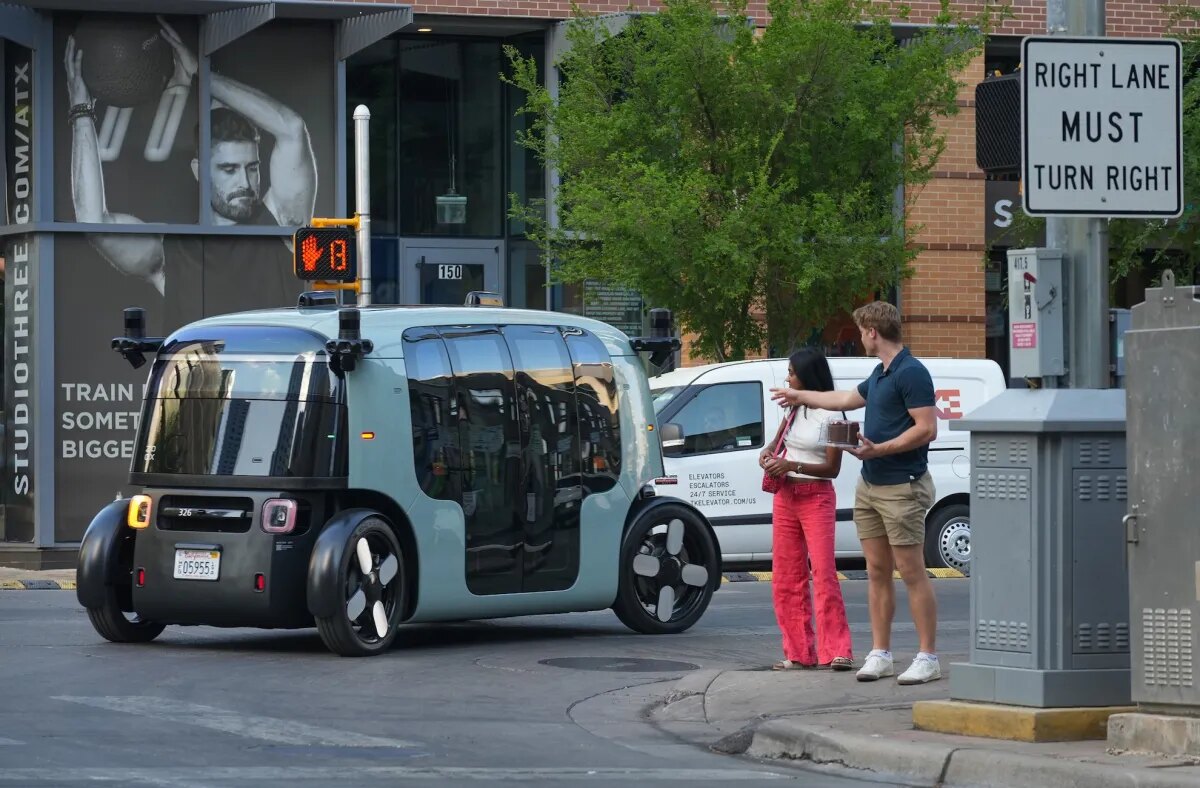
The National Highway Traffic Safety Administration has granted Zoox a temporary exemption from eight federal motor vehicle safety standards. The decision removes one of the final regulatory barriers preventing the Amazon-owned company from charging passengers for rides in its purpose-built robotaxi.
Zoox says paid rides are imminent and will begin in Las Vegas. The exemption is part of a broader set of federal actions intended to reduce regulatory friction and accelerate the development and deployment of autonomous vehicle technology.
Federal acceleration meets local resistance
The approval marks a material step towards commercial service for Zoox, but it comes as other robotaxi operators face mounting scrutiny over interactions with emergency responders and city infrastructure. The result is a divided regulatory picture: federal authorities are easing one route to deployment while state and local officials seek stronger operational safeguards.
San Francisco Mayor Daniel Lurie asked California regulators to tighten autonomous vehicle rules after Waymo robotaxis became immobile in heavy July 4 traffic. The vehicles ran out of power and blocked important streets, worsening the gridlock.
That debate follows recent shifts in Waymo operations and AV regulation, which brought together Waymo's operational issues and the changing regulatory landscape around autonomous vehicles, while the latest federal exemption gives Zoox a clearer route to paid service.
A proposal for national safety standards
Representative Kevin Mullin of California has proposed legislation directing federal regulators to establish minimum national safety standards for autonomous vehicle operators. At a press conference also attended by Lurie, Mullin described the number of incidents in which autonomous vehicles inadvertently interfered with emergency responders as unacceptable.
The proposal shows that technical authorization does not settle every question surrounding commercial deployment. Operators must also demonstrate that their vehicles can function safely amid emergency activity, congestion and other unpredictable urban conditions.
Competition extends beyond the United States
London is developing into another major robotaxi market. Baidu has begun testing autonomous vehicles there through its partnership with Lyft and Freenow, with public rides planned for 2027. Waymo started testing vehicles with human safety operators in April, while Uber and Wayve have announced plans to launch a service in London this year.
Waymo has also begun returning its robotaxis to freeways after suspending high-speed-road operations for more than two months because of concerns about vehicle behaviour near construction zones.
What businesses should take from the split
For companies planning autonomous transport services, the immediate implication is that federal clearance is only one part of launch readiness. Commercial plans should separately address vehicle compliance, local operating rules, emergency-response procedures and performance in difficult traffic conditions. Zoox's exemption opens the door to revenue in Las Vegas, but the wider industry still has to earn operational acceptance city by city.