


Public unease over AI becomes a business challenge
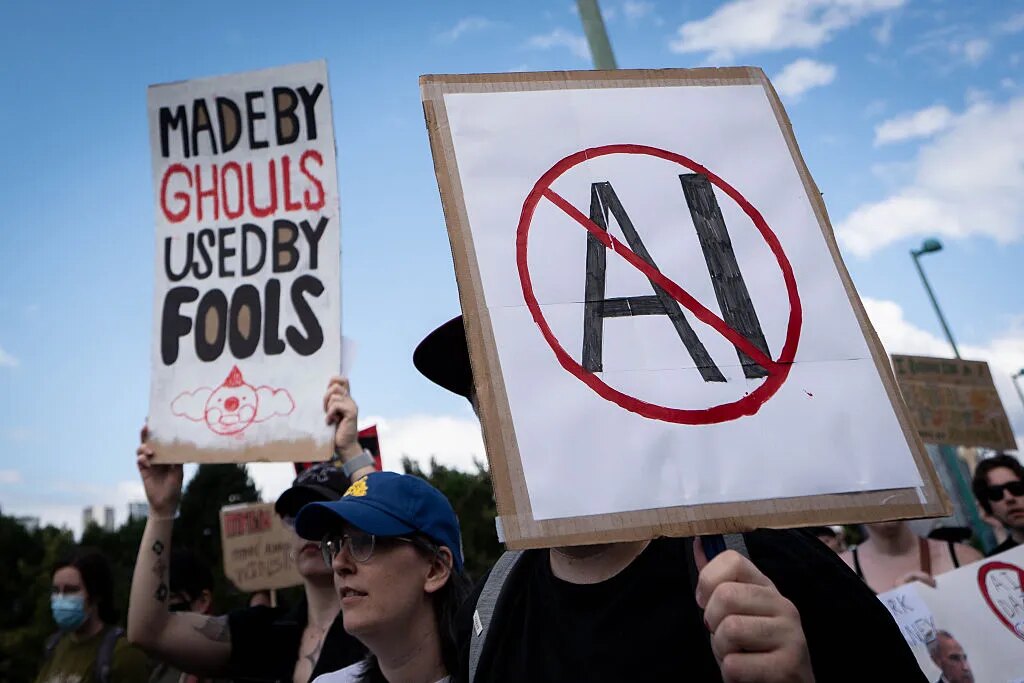
Concern about AI is rising
Public unease about artificial intelligence is becoming a commercial and political issue for the companies building the technology. Pew Research found that 52% of Americans are more concerned than excited by the growing use of AI in daily life, compared with 37% in 2021.
Other polling points in the same direction. A May Economist/YouGov poll found that more than 70% of Americans believe AI is advancing too quickly. In a CNBC survey of people aged 18 to 34, a majority of respondents said they did not trust the named leaders of nine leading AI companies to act responsibly on AI.
The National Republican Senatorial Committee has also warned major AI companies that US data centres are harming its prospects in a key Ohio election. The concern reflects how the infrastructure required for AI is now visible to communities as well as investors and technology buyers.
Data-centre plans face a local backlash
Technology companies are responding to resistance around proposed US AI data centres by improving local offers. The Wall Street Journal reported agreements including job guarantees, clean-water investments and other community benefits. One arrangement included $50,000 bonuses for teachers in a Louisiana parish.
For many consumers, AI is experienced less as a broad technological advance than as chatbot and search features added to everyday products, including email and televisions. The technology is also associated with students cheating, questions over the value of degrees, and systems trained on intellectual property used to generate art, video, music and writing.
That gap between promised benefits and perceived costs is material for businesses pursuing AI deployment. The agenda for TechCrunch Disrupt AI Stage agenda reflects the industry focus on agent safety and evolving commercial models, while public acceptance increasingly depends on whether products offer a benefit people can recognise in their own lives.
Industry leaders acknowledge a trust problem
Airbnb CEO Brian Chesky said the backlash is real and linked to the lack of products that “regular people” like. He argued that AI needs practical uses that people can value directly, citing the example of access to an on-demand doctor that a person could not otherwise afford.
Anthropic CEO Dario Amodei described negative perception as a major problem and a “crisis of trust.” He said people distrust companies, governments and the technology industry, and acknowledged that AI companies have not yet delivered on their major promises to benefit the world.
For business leaders, the implication is practical: AI programmes need a concrete user or community benefit alongside their technical case, particularly where deployment asks customers, workers or local residents to bear visible trade-offs.