


Benchmark says AI is straining venture capital’s rival-funding norm
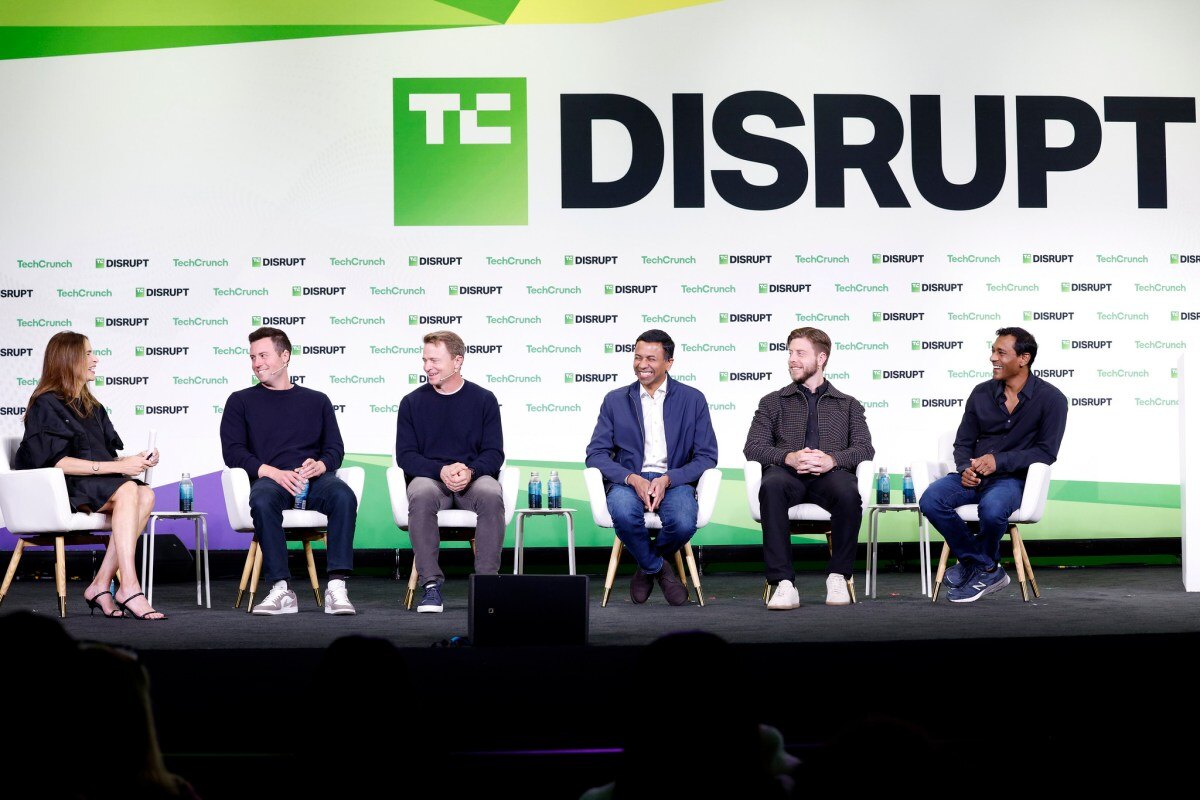
Benchmark partners said the rapid expansion of AI companies is placing renewed strain on venture capital’s long-standing convention against backing direct competitors. Speaking at TechCrunch Disrupt, Eric Vishria, Chetan Puttagunta and Peter Fenton described conflicts as increasingly difficult to avoid when young companies pivot, broaden their product scope and pursue overlapping markets.
The comments come after Factory, which develops an AI software-writing agent, said in late September that it had removed board observer and adviser Chris Degnan over alleged unethical conduct involving Cognition, the developer of the Devin coding agent. Factory’s chief executive alleged that Degnan discussed a role at Cognition while having access to Factory board discussions. Degnan said he had resigned already, denied disclosing confidential information and subsequently announced his appointment as Cognition’s chief revenue officer.
AI companies are expanding into each other’s territory
The dispute illustrates an issue that has become more visible across AI investing. Khosla Ventures backs both Factory and Cognition, while OpenAI and Anthropic share dozens of investors. Vinod Khosla publicly supported Degnan, criticising Factory’s chief executive and describing Factory as a “struggling second tier competitor.”
Vishria said Benchmark remains committed to founders and to keeping what it learns confidential. Yet he argued that fast-moving businesses inevitably create conflicts: companies change direction, develop new offerings and enter adjacent categories. He added that Benchmark had avoided the kind of “insane direct conflict” represented by the Factory-Cognition episode.
Benchmark’s position is notable because the firm has built its reputation on partnerships with founders over 10 to 15 years, often from the earliest stage. In that context, Benchmark’s broader AI investment ambitions illustrates Benchmark’s broader AI investment ambitions while the firm navigates a more complex set of portfolio relationships.
Early-stage exclusivity remains important
Puttagunta said AI is accelerating the overlap. As the cost of building software “effectively goes to zero,” he said, founders can be more ambitious and pursue a wider “surface area.” That makes it more likely that companies which did not initially compete will eventually encounter one another in the same market.
He distinguished between knowingly funding a direct competitor at the outset, which he called an easy decision, and a company expanding into a portfolio peer’s territory later. The latter, he said, happens. Vishria likewise said exclusivity remains “really important” at the earliest stage, even as the market changes.
Transparency becomes the practical safeguard
Fenton called the subject “kryptonite” and Benchmark’s toughest problem. He positioned the firm closer to a co-founder than a public-market investor: a co-founder would not work on a competing company, whereas a stock picker can hold several rivals without shaping their operations.
For Benchmark, Fenton said, transparency is the guiding rule and founders should not discover a conflict after the fact or feel shortchanged when one emerges. For founders and operators, the practical implication is to establish clear expectations on competitive investments, access to confidential information and conflict disclosure before accepting venture capital.