


FTC and 22 states challenge Amazon advertising auction practices
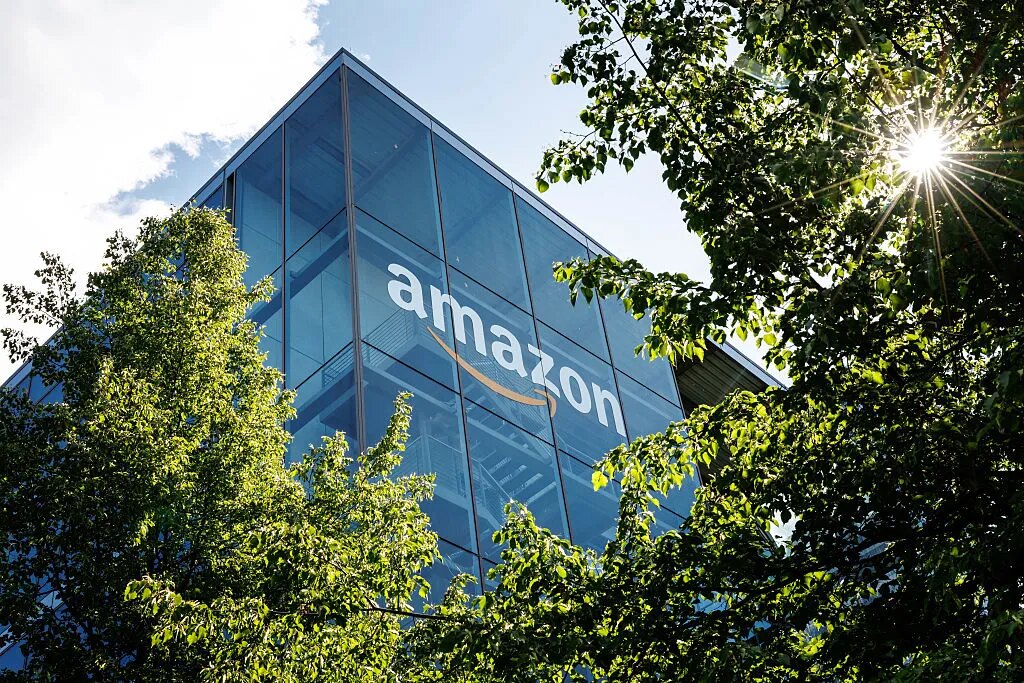
The US Federal Trade Commission and 22 states have filed a lawsuit accusing Amazon of secretly increasing advertising costs for businesses using its platform. The complaint focuses on Sponsored Products, Sponsored Brands and Display ads shown alongside Amazon search results, and alleges that the practice affected more than one million brands and sellers.
The FTC says Amazon quietly changed elements of its ad-auction pricing in 2019 after telling more than 500,000 small and medium-sized businesses that it operated a second-price auction. Under that model, the winning advertiser would pay one cent more than the next-highest bid rather than its own maximum bid.
Allegations over a hidden auction mechanism
In the lawsuit, the FTC describes a hidden charge internally called a “soft reserve price.” It alleges that Amazon used an “invented auction participant” to raise the price advertisers had to beat. The regulator characterises the mechanism as a shill bid because the higher price allegedly did not arise from a real competing advertiser.
The complaint claims that this change made Sponsored Products advertisers pay their full winning bid close to 80% of the time. In the FTC’s account, an auction presented as second-price therefore operated like a first-price auction in many instances.
The FTC alleges Amazon kept the change undisclosed because advertisers could have lowered their bids had they known how prices were set. The agency and the states say the conduct may have produced tens of billions of dollars in additional revenue over more than seven years.
Amazon disputes the FTC’s account
Amazon called the lawsuit “misguided” in a blog post and said the complaint fundamentally misunderstands advertiser behaviour. The company said its auctions assess billions of bids across different placements and formats, meaning prices can vary naturally, and maintained that advertisers are properly informed about the pricing system.
Amazon reported more than $68 billion in advertising revenue last year. The states joining the FTC include California, New York, Washington, Florida, Illinois, Pennsylvania, Arizona and North Carolina, alongside 14 other states.
What advertisers should take from the case
The lawsuit turns on the difference between an advertised auction rule and the effective price paid in a complex marketplace. Businesses purchasing retail-media ads should retain bid, placement and cost records, compare actual payments with auction documentation, and ensure their teams understand how pricing changes could affect campaign economics.