


NHTSA and SAE Create ASCEND for Autonomous Vehicle Safety
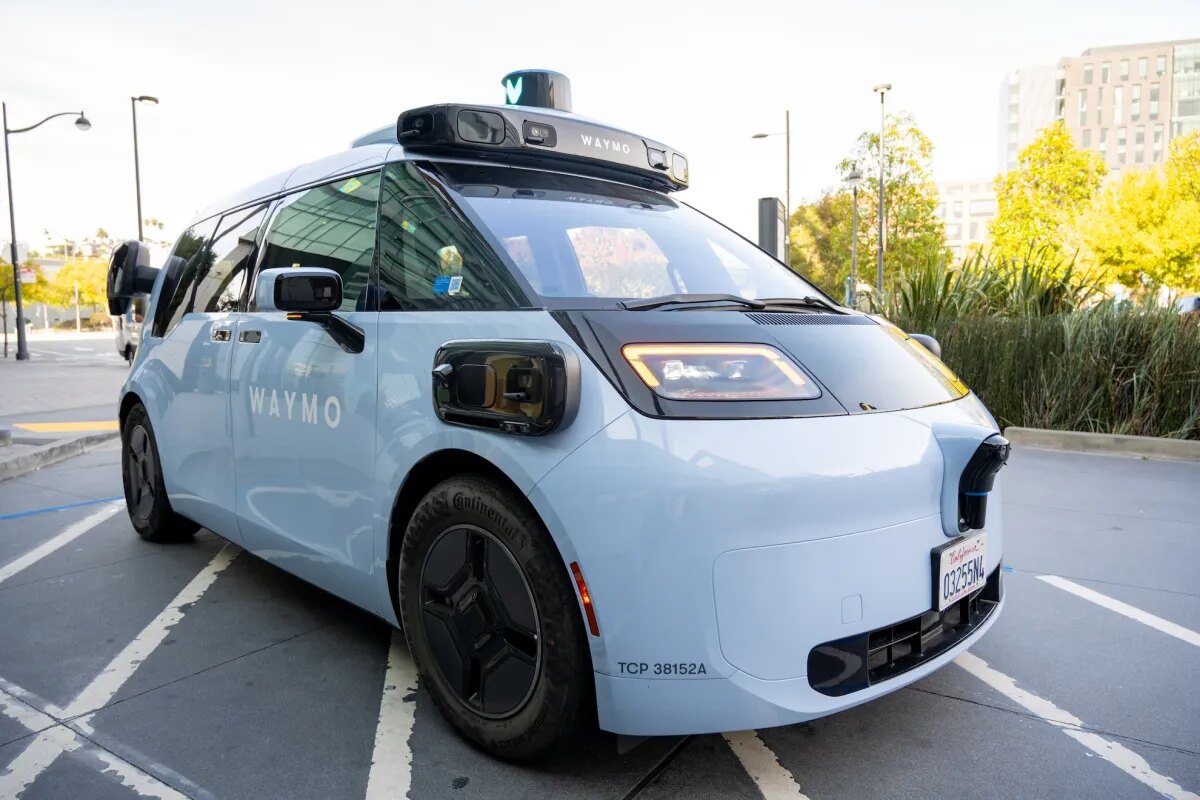
The US National Highway Traffic Safety Administration and SAE have agreed to launch ASCEND, a government-industry initiative designed to accelerate data-driven performance standards for autonomous vehicles. NHTSA Administrator Jonathan Morrison said the consortium’s first priority is automated driving system, or ADS, competency, which is intended to inform and accelerate a corresponding federal motor vehicle safety standard.
The initiative addresses a central unanswered question for developers, regulators and the public: how to determine when an autonomous vehicle is safe enough for use on public roads. The United States has no standardised test that judges how an automated driving system performs in real-world conditions, despite requiring human drivers to pass a test before receiving a licence.
A gap between vehicle rules and autonomous designs
Federal Motor Vehicle Safety Standards already govern vehicles sold by automakers, but they were not written for newer autonomous vehicle designs. NHTSA highlighted examples including Tesla’s Cybercab and the Zoox robotaxi, which do not use traditional equipment such as pedals and steering wheels, or design features including side and rear-view mirrors.
NHTSA is developing a federal automated vehicle framework that it says should put safety first without stifling innovation. Morrison said the agency wants to avoid reacting to individual policy issues one at a time or attempting to predict every direction in which the technology may develop.
Competency standards and federal leadership
At the AI Horizons Summit in Pittsburgh, Morrison said an ADS competency standard could help address the growing patchwork of inconsistent state and local requirements. The eventual federal performance rulemaking is also intended to encourage American innovation while promoting the safe deployment and development of autonomous vehicles on public roads.
The policy challenge sits alongside a fast-moving commercial market, where companies are deploying or preparing robotaxis and self-driving trucks. The broader operating context is illustrated by Waymo developments and changing autonomous vehicle rules, which brings together Waymo developments and changing autonomous-vehicle rules in the same mobility market.
ASCEND has not announced a timetable for producing ADS standards. Its launch nevertheless gives manufacturers, autonomous-driving developers and fleet operators a federal-industry forum focused on the evidence needed to assess system performance. For businesses planning AV programmes, the practical implication is to maintain rigorous, data-based records of driving-system capability and safety performance that can be assessed against future competency requirements.