


Autonomous Vehicle Companies Pursue Different Paths to Scale
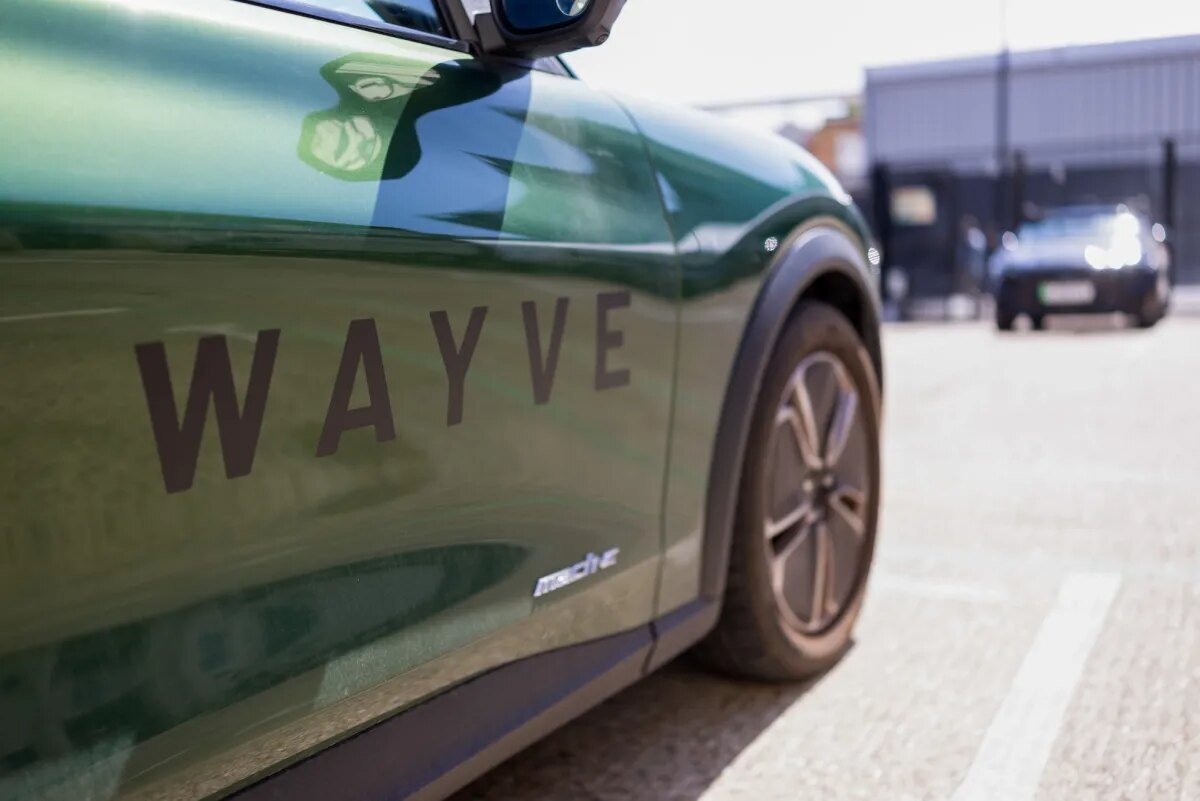
Autonomous-vehicle companies are moving from trials toward commercial deployment with sharply different scaling models. Wayve has signed a commercial agreement with Mercedes-Benz for its Level 2 automated-driving technology, Waymo has concentrated much of its approximately 4,000 robotaxis in California and Texas, and Aurora aims to operate more than 30,000 driverless trucks by 2030.
The announcements illustrate that autonomous driving is not yet ubiquitous, even as commercial activity increases. Companies are combining partnerships, geographically focused fleets and targeted vehicle categories rather than following a single route to wider deployment.
Wayve uses automaker partnerships
Wayve’s deal with Mercedes-Benz will integrate its technology into at least one model planned for deployment within the next two years. The product is classified as Level 2: it can handle certain driving manoeuvres, but the human driver must remain engaged.
The Mercedes-Benz agreement follows partnerships with Nissan and Stellantis. These relationships provide a route to reach through production vehicles while also supporting Wayve’s work on fully driverless systems. The company, Nissan and Uber announced plans earlier this year to launch a robotaxi service in Tokyo.
The distinction between driver assistance and driverless operation remains material. Level 2 deployment can put automated functions into customer vehicles, whereas robotaxi operations require a different operating model, including fleet deployment and service launch planning.
Waymo expands while concentrating its fleet
Waymo’s commercial robotaxi expansion is broad in geography and ridership, but vehicle registration data indicates a concentrated operational footprint. About 80% of its roughly 4,000 robotaxis are registered in California and Texas. Its Texas fleet grew by more than 49% over the past three weeks.
This pattern places a large share of Waymo’s vehicles in two states even as the company pursues expansion. Waymo is also seeking new user groups, including teenagers. For context, autonomous-vehicle rules and Waymo positioning traces the evolving rules and commercial positioning surrounding Waymo and other autonomous-vehicle operators.
Aurora targets a freight fleet
Aurora, which develops self-driving trucks, combines a Texas focus with a broad set of partners. Chief executive Chris Urmson said the company had emerged from the building stage. Aurora plans to have more than 200 driverless trucks in operation by the end of the year before pursuing its 2030 target.
Other developments underline that commercialisation brings operational scrutiny as well as fleet targets. Zoox grounded its Atlanta autonomous-vehicle test fleet after safety drivers were potentially exposed to carbon monoxide, carbon dioxide or hydrogen sulfide inside Toyota Highlander SUVs equipped with its system. Zoox said it found evidence only of carbon dioxide, while the Occupational Safety and Health Administration opened an inquiry and instructed the company to investigate the exposures.
For businesses evaluating autonomous transport, fleet totals alone are an incomplete measure. They should distinguish Level 2 products from driverless services, examine where vehicles are actually operating, and assess the partnerships and safety processes supporting each deployment plan.