


California law adds emergency response duties for robotaxis
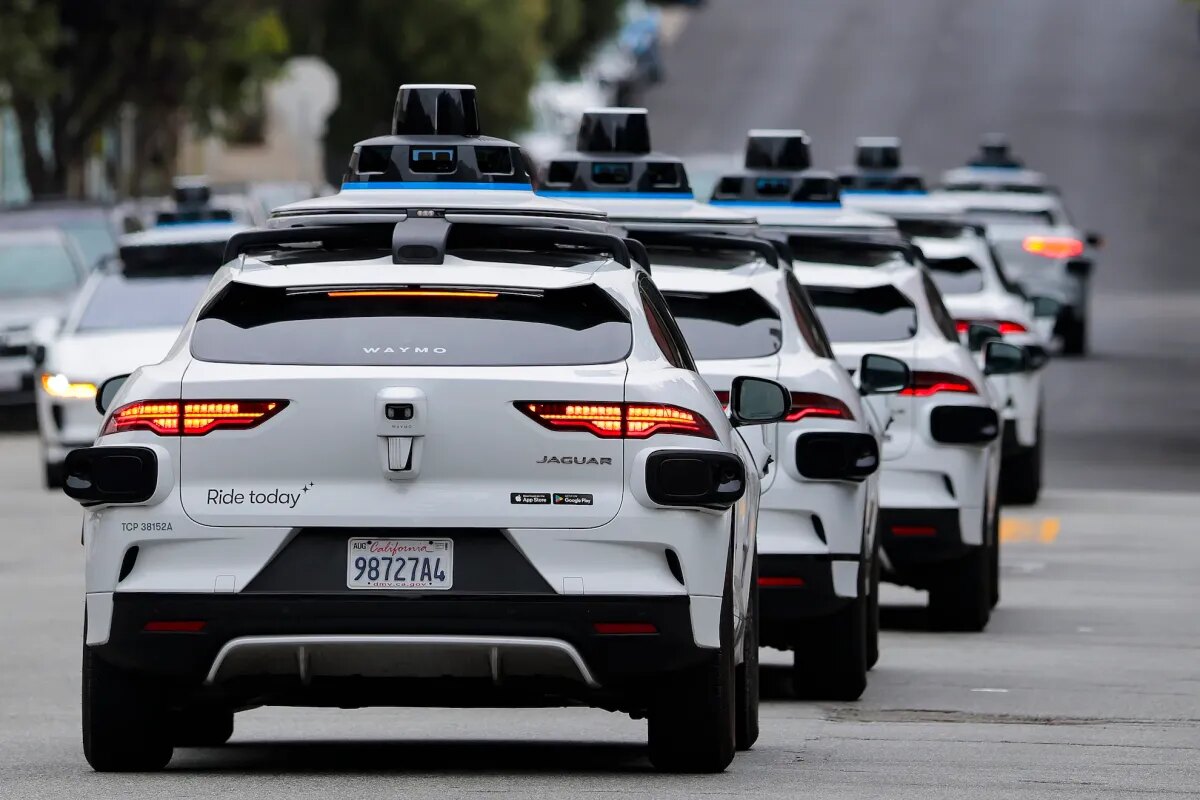
California adds accountability rules for autonomous vehicles
California Governor Gavin Newsom has signed Senate Bill 1246, imposing new emergency-response obligations on autonomous-vehicle developers including Tesla, Waymo and Zoox. The measure allows penalties when a robotaxi blocks police, firefighters or other first responders during an emergency for more than 30 minutes.
The law is scheduled to take effect in July 2028. It is intended to improve safety and response times when autonomous vehicles become disabled, obstruct roadways or interfere with emergency personnel.
Local support and failure notifications
Under the legislation, AV companies must provide local, on-the-ground incident technicians to help with crashes and obstructions. They must also notify cities, towns and other local jurisdictions about the location and status of their vehicles during system-wide failures.
The California Department of Motor Vehicles, the state regulator for autonomous vehicles, will establish guidance for parts of the law, including required response times. That step will determine how the statutory obligations translate into operational procedures for fleet operators.
The requirements follow a series of California incidents in which robotaxis broke down, disrupted traffic, entered crime scenes or impeded first responders. Waymo, the largest US robotaxi operator, has about 4,000 autonomous vehicles in its commercial fleet nationwide, including roughly 1,200 in the San Francisco Bay Area.
Remote drivers receive a narrower definition
Senate Bill 1246 also limits remote drivers to people based in the United States who hold a US driver’s licence. The law uses the term for a person who directly operates or drives a vehicle from afar, rather than for the broader category of remote operations.
Tesla is the only company publicly stating that remote operators can take direct control of its robotaxis. Waymo has described its model as remote assistance, where the self-driving system remains in control while an employee can provide guidance or send software commands. Waymo has remote-assistance staff in the Philippines and command centres in Arizona and Michigan, while Zoox says its remote-operations teams are US-based.
Waymo and Zoox have said they will comply with the new rules. For robotaxi operators, the business implication is clear: fleet deployment in California will need local incident capacity, reliable emergency communications and documented controls for any direct remote driving.