


France Attributes Refrigeration Controller Sabotage to IRGC Unit
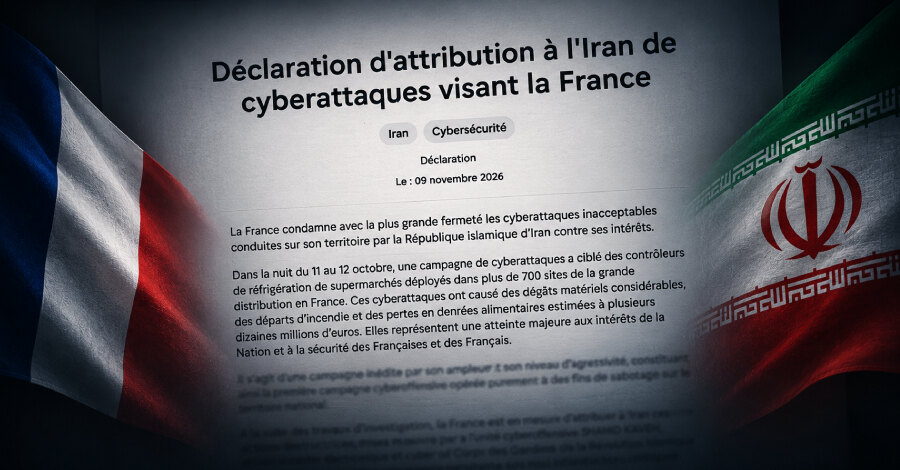
France has attributed an October cyberattack on refrigeration controllers at about 700 retail sites to Shahid Kaveh, a cyber unit of Iran’s Islamic Revolutionary Guard Corps (IRGC). The intrusion took place during the night of October 11 and changed defrost settings to high temperatures, causing food losses and about 20 fires.
The French Foreign Ministry said it would summon Iran’s ambassador and seek new European sanctions against Iranian organizations and individuals involved. The Paris prosecutor’s office has opened an investigation into the unit’s head, two deputies and other identified participants, and has requested international arrest warrants.
Remote control of refrigeration systems
Prosecutors said the attackers gained remote control of Danfoss and Dixell refrigeration controllers through web interfaces. They initiated abnormal defrost cycles with no time limit and disabled safety alerts from temperature probes, which should trigger once temperatures exceed a defined threshold.
France’s cyber crisis coordination centre, C4, said most victims were large retailers, including Casino, Leclerc, Coopérative U, Metro, Carrefour and Intermarché. Smaller butcher shops, a slaughterhouse and cooperative food plants were also affected. The French government estimates food losses in the tens of millions of euros.
C4 also connected the campaign to simultaneous targeting of Schneider Electric equipment at several small hydroelectric sites in France. The reported effects on that equipment were moderate. The Foreign Ministry described the operation as the first offensive cyber campaign on French soil conducted purely for sabotage.
Attribution and continuing exposure
C4, which includes ANSSI, DGSE, DGSI, the armament directorate and the cyber defence command, cited four indicators for its attribution to the IRGC and Shahid Kaveh. The same infrastructure was used to reconnoitre Schneider Electric equipment, while the campaign used techniques associated with the unit since at least April and the FOFA scanning tool. Investigators also identified Persian traces, Iran-based IP addresses and an attack method they described as typical of the unit.
Shahid Kaveh is known through hacktivist personas including CyberAveng3rs and Cyber Isnaad Front. C4 said the unit has previously claimed attacks on industrial equipment, including a November 2023 campaign against Unitronics industrial control systems and a March-April sabotage campaign affecting industrial control equipment.
Steps for affected operators
CERT-FR warned that campaigns against remote refrigeration equipment were probably still under way. Its alert covers Danfoss AK-SM and AK-SC series controllers, Copeland xweb and Dixell xweb. It says exposing a management interface directly to the internet is contrary to good practice.
For systems not known to be compromised, CERT-FR advises removing internet exposure, checking insurance terms before interrupting contractor data feeds, reviewing full configurations with particular attention to defrost ranges, and restoring access only through a secure VPN or protected network. Firewall filtering of contractor IP addresses may help in an emergency but is not a durable control.
Danfoss operators should update firmware, change default passwords and set the security level to Strict. For compromised devices, CERT-FR recommends removing exposure, restarting Danfoss equipment or restoring factory settings, then reconfiguring the controller before returning it to service. End-of-life equipment without security fixes remains at very high risk if internet-exposed, so a factory reset alone does not prevent renewed compromise. For businesses running operational technology, the immediate implication is to inventory remotely managed controllers and eliminate unnecessary public access before safety settings can be manipulated.