


Gates floats robot tax and protected human roles for AI
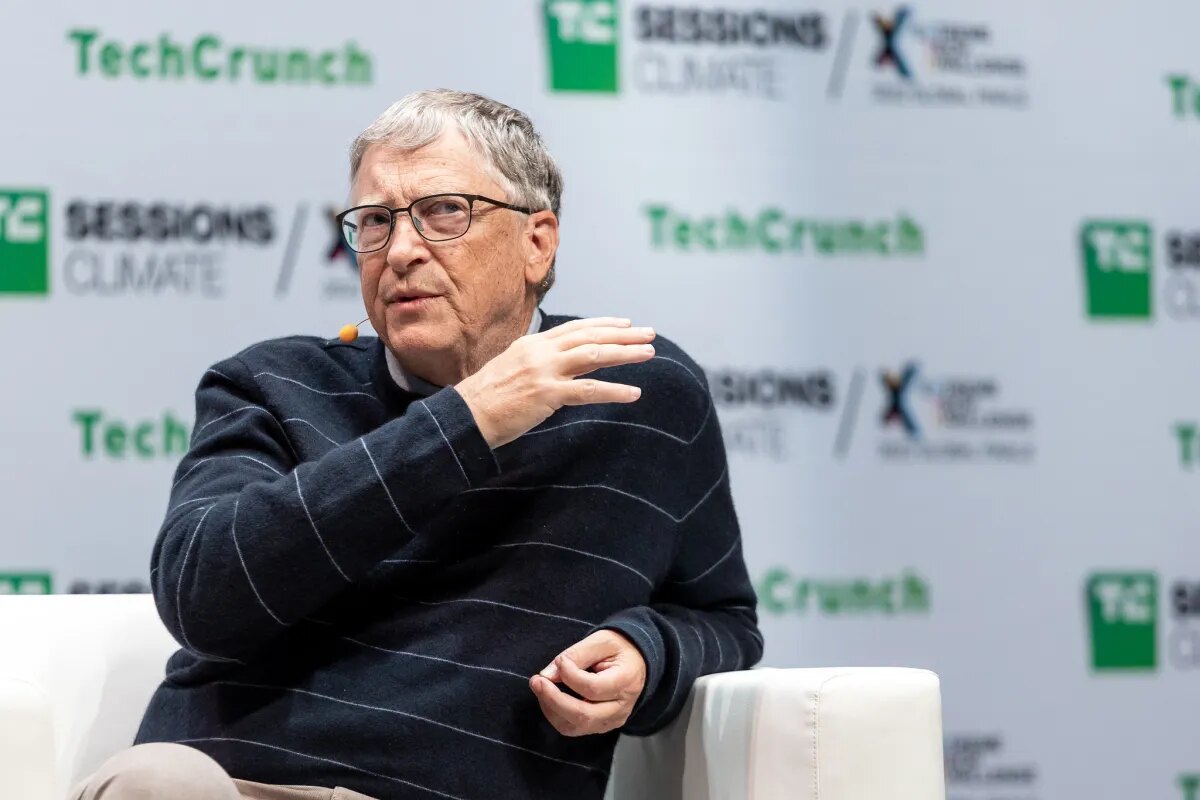
Microsoft co-founder Bill Gates has proposed a “robot tax” and a category of “Human Reserved” jobs as potential responses to artificial intelligence’s effect on employment. In a Gates Notes essay, he argued that policy should address incentives that can favour replacing workers with machines and should preserve human involvement in selected roles.
Gates positioned the proposals within a broader view that recognises AI’s potential benefits for science and healthcare while raising concerns about labour disruption. He also said that Pacing The Frontier, an open letter from AI employees advocating a slowdown in AI development, would be a good idea, although he questioned whether such a pause could be sustained.
A tax question around automation
Gates’s robot-tax proposal focuses on the different tax treatment of labour and automation. Employers pay payroll taxes when they hire a person, he wrote, whereas a robot can generally be written off immediately as a business expense. In his view, that structure nudges employers towards substituting machines for people.
A tax on robots or automation could slow what Gates described as the rush away from human labour. The revenue could also support retraining and a stronger social safety net. The proposal does not set out a specific tax rate, define which technologies would qualify as robots, or identify the institution that would administer such a system.
Defining work that remains human
The second idea is to designate certain tasks or roles as “Human Reserved,” preventing AI from being used for them. Gates said the justification could be economic where automation would displace a large number of workers who cannot readily move into other occupations. He used the example of a 55-year-old construction worker who may not find a transition into elder care fulfilling.
Other decisions could rest on the character of the task rather than employment alone. In healthcare, Gates suggested that a robot could technically tell a patient that they have an incurable disease, but that it should not do so. The boundary of the Human Reserved domain would change over time, with some jobs potentially protected now while AI is introduced gradually over years or decades.
Questions for businesses and policymakers
Both approaches would impose constraints on major AI labs’ potential profits, Gates noted. They also leave fundamental policy questions unresolved: who would set the rules, which work would be protected, and how any restrictions would be enforced.
For businesses considering AI deployment, the immediate implication is to evaluate more than technical capability and cost. Leaders should identify roles where automation affects workforce transitions or sensitive human interactions, then plan implementation and retraining with those effects in view.