


NHTSA broadens investigation of GM eBoost braking system
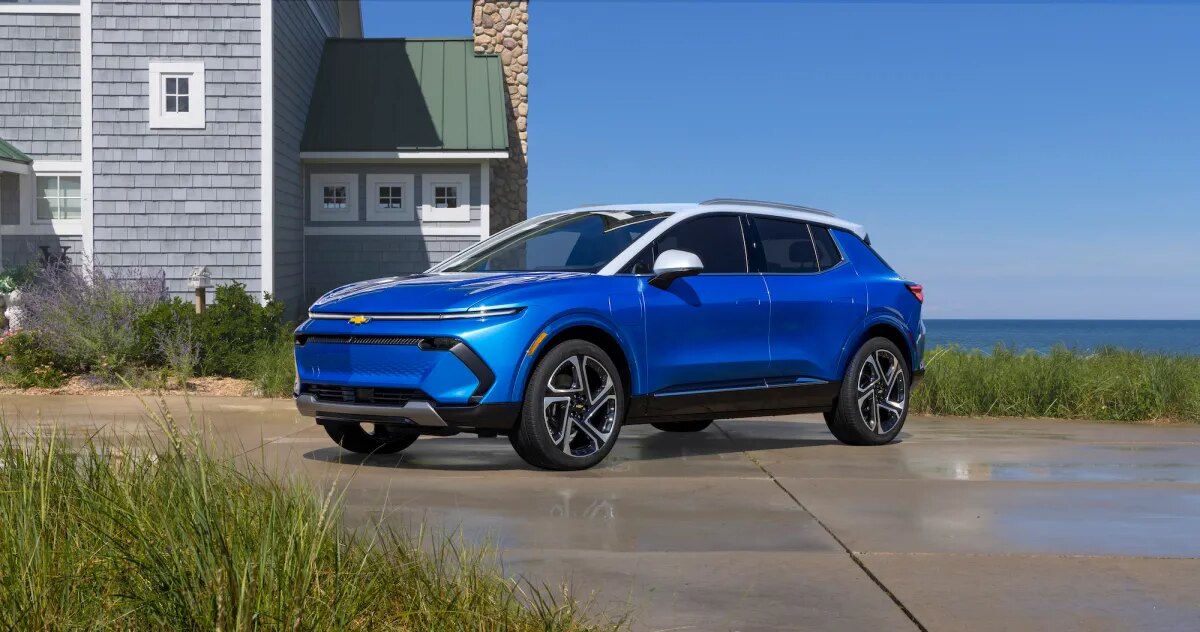
US auto-safety regulator the National Highway Traffic Safety Administration has upgraded its investigation into General Motors’ eBoost brake-by-wire system to an engineering analysis. The inquiry may involve more than 1 million vehicles, following hundreds of reported incidents, more than 20 crashes or fires, and at least six injuries.
The National Highway Traffic Safety Administration’s Office of Defects Investigation began examining the issue in April 2024 after owners of 2023 Cadillac Lyriq vehicles reported problems. The agency said the upgrade to an engineering analysis is the highest investigative level used by the office and can precede a request for a manufacturer recall.
Reports extend beyond the original Lyriq complaints
Initial complaints commonly described a “Brake System Failure” message when a vehicle was started or after it came to a complete stop. General Motors conducted several internal investigations and attributed the issue to fractures in the spindle of the eBoost system.
ODI said it continued to receive reports of lost braking assistance that were inconsistent with GM’s description of a spindle failure. These additional reports describe an immediate loss of brake assist while a driver is braking to slow down. The agency said such a failure could extend braking distance and increase the risk of a crash or injury.
One complaint involving a 2025 Cadillac Lyriq described an alleged loss of brakes while the driver was pulling into a parking space. The vehicle went over a curb and through a storefront. In another report, involving a 2024 Chevrolet Blazer EV, the driver said they deliberately steered into a concrete curb to slow the vehicle and avoid an intersection collision.
Electronic braking reaches EVs and other GM models
GM introduced eBoost in 2019 and expanded it across more models over time. Instead of a traditional mechanical link between the brake pedal and braking system, the technology uses an electronic connection. GM says this architecture enables different brake feel across driving modes.
The system is fitted to GM electric vehicles including the Chevrolet Blazer EV, Chevrolet Equinox EV and Cadillac Lyriq. It is also used in the Honda Prologue and Acura ZDX, which GM built with Honda in a joint venture. The discontinued Cruise Origin autonomous electric vehicle also used eBoost.
The scope also reaches certain non-EV models, including the Chevrolet Colorado, GMC Canyon, Buick Enclave and Buick Envision. ODI said it needs further analysis of the potential for failures in the eBoost system before determining the appropriate next step.
What vehicle operators should monitor
The engineering analysis does not itself constitute a recall, but it raises the level of regulatory scrutiny of a component deployed across several vehicle lines. Businesses operating affected GM, Honda or Acura vehicles should monitor NHTSA notices and manufacturer service communications, document brake warnings or changes in pedal assistance, and ensure drivers report symptoms promptly so maintenance decisions can be based on vehicle-specific information.