


Lyft brings Waymo’s driverless robotaxis to Nashville
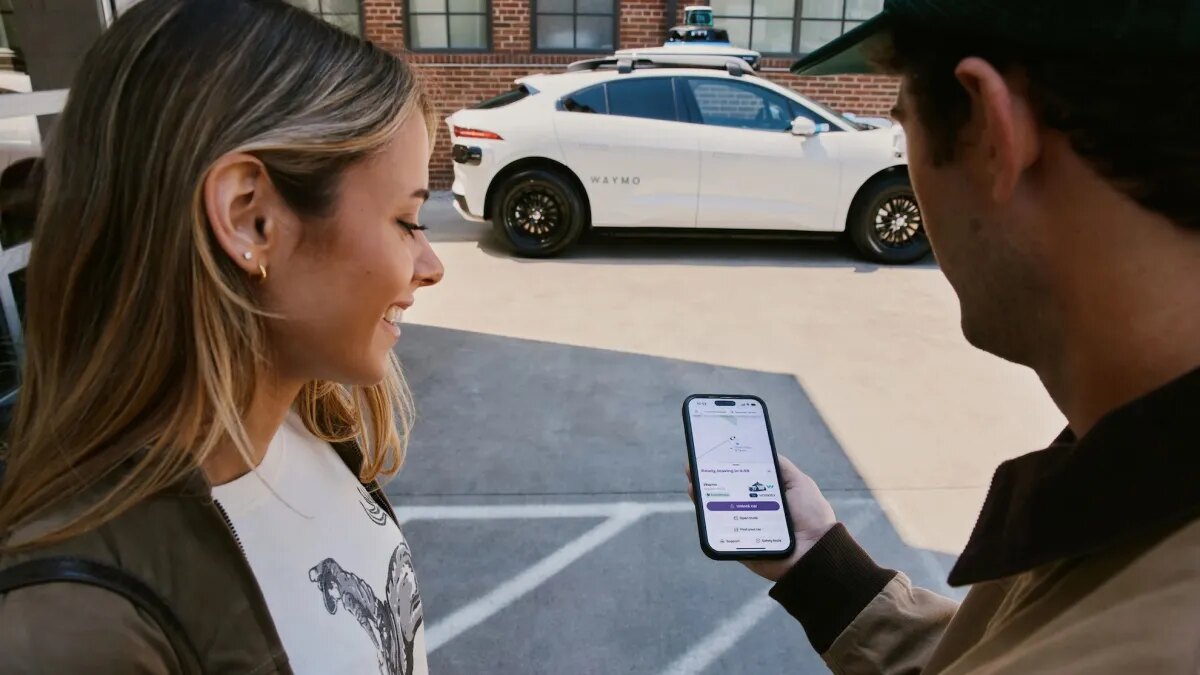
Lyft has started matching some Nashville riders with Waymo robotaxis through its ride-hailing app, marking Lyft’s first commercial driverless service without a human operator behind the wheel. Waymo vehicles can also be hailed directly through the Waymo app, while Lyft matches riders with a robotaxi when availability permits.
The partnership assigns Lyft an operational role beyond trip matching. Its wholly owned Flexdrive subsidiary handles fleet services including vehicle readiness and maintenance, as well as infrastructure and depot operations. The arrangement puts Lyft inside the day-to-day support model required to run a driverless fleet in a commercial market.
A return to autonomous vehicles through partnerships
Lyft has worked with autonomous-vehicle companies before, including Aptiv, now Motional, in Las Vegas; May Mobility in Atlanta; Baidu in London; and Waymo in Phoenix. Nashville is distinct because it is Lyft’s first commercial deployment of fully driverless vehicles on its platform.
The company previously spent four years and millions of dollars building autonomous-driving technology through its Level 5 division. Lyft sold that unit to Toyota’s Woven Planet Holdings subsidiary for $550 million in 2021, then refocused on its core ride-hailing business. The Nashville launch shows that Lyft is again pursuing autonomous transport, but as a platform and fleet-operations partner rather than as a developer of the driving system.
International expansion is part of the plan
Jeremy Bird, Lyft’s executive vice president of growth, said the company entered 2026 focused on its Waymo partnership in Nashville and its Baidu partnership in London, where commercial service has not yet launched. He did not specify future locations, but said Lyft expects more diversification in the following year and would ideally expand both partnerships.
Bird described London as a “fascinating market” and framed Lyft as a company becoming more global. The company is prioritising markets where a hybrid network of autonomous and human-driven vehicles can operate from the outset, while considering whether autonomous vehicles are already permitted by regulators.
The wider operating context is reflected in Waymo and evolving AV market rules and its account of Waymo’s role in changing AV market expectations, while Lyft’s Nashville model adds the practical question of who maintains, stages and supports the vehicles.
What the Nashville launch changes
For ride-hailing operators, the Nashville service illustrates that robotaxi expansion can be divided between the company supplying autonomous technology and the company providing local fleet operations and rider demand. Availability remains a condition of the Lyft match, so the service does not mean every trip will be driverless.
For businesses evaluating mobility partnerships, the implication is to examine the operational division of responsibility as closely as the autonomous technology: fleet preparation, maintenance, depots, regulatory readiness and the ability to combine driverless and human-driven vehicles will shape how a service can enter a market.