


Modal Motors develops electric motors without rare-earth magnets
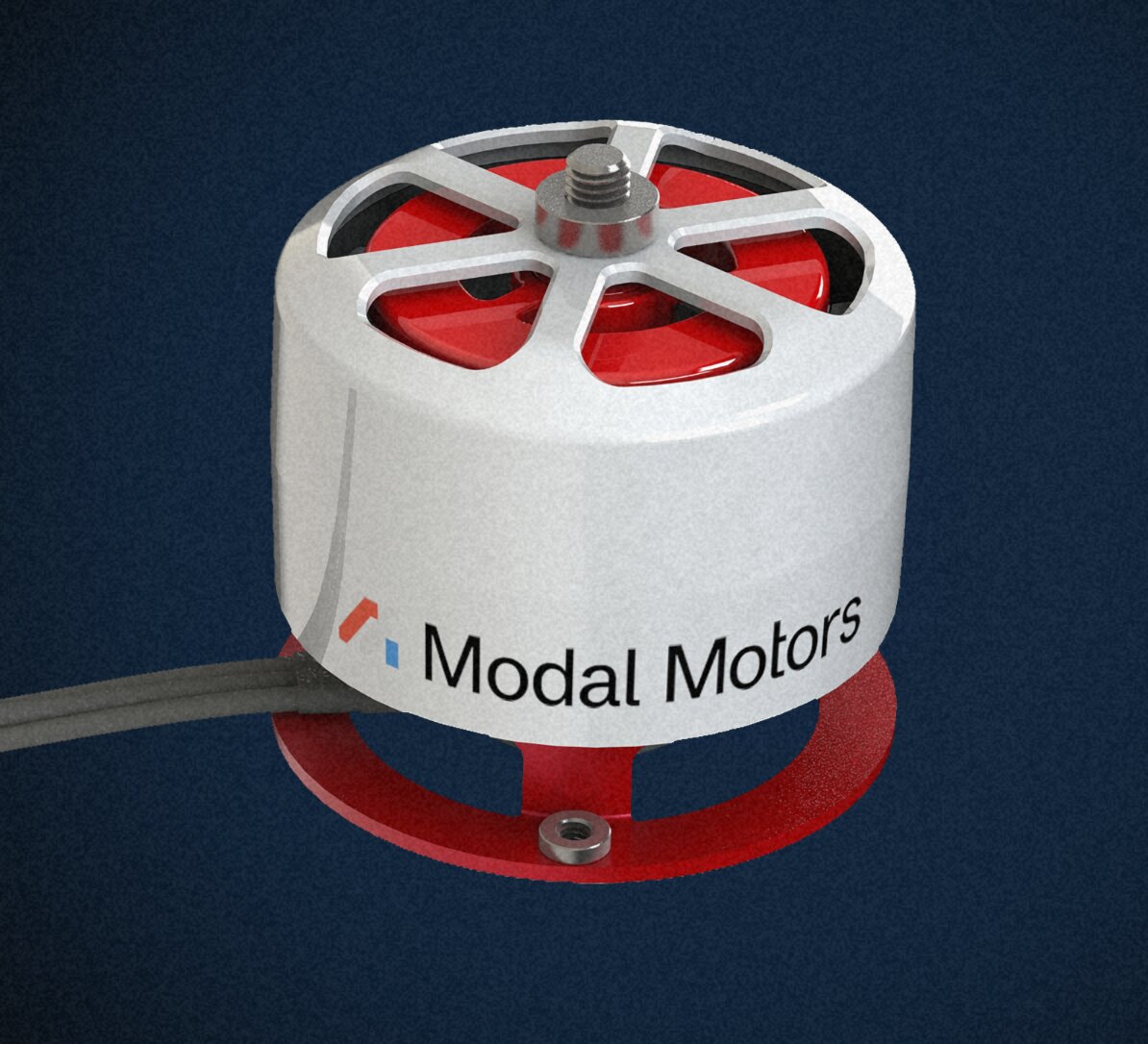
Modal Motors is developing electric motors designed to avoid rare-earth magnets, positioning the startup as a potential alternative for manufacturers seeking to reduce exposure to China’s rare-earth supply chain. The company is preparing two products: a compact motor for drones and related equipment, and a flat motor architecture called the Hybrid Enigma Drive.
The startup was founded by Michael Van Steenburg, who has spent the past decade building electric motors in the United States and North America. Modal Motors is among the companies selected for Startup Battlefield 200 and is due to compete at TechCrunch Disrupt next month.
A motor strategy built around material independence
Van Steenburg argues that simply moving motor assembly to the United States does not resolve the underlying supply issue when designs still depend on rare-earth magnets. He points to China’s restrictions on access to rare-earth products and says a domestic rare-earth magnet system will need more time before it can replace Chinese supply.
That distinction matters for companies assessing the resilience of their hardware bills of materials. A motor can be manufactured locally while retaining a dependency on imported magnetic materials. Modal Motors’ approach is to remove rare-earth magnets from the design rather than wait for a new local supply base to reach scale.
The company’s small motor is intended primarily for drones, but Modal Motors says it can also be used in fans, blowers and actuators. Its stated design goal is to minimise mass while delivering torque density and efficiency. Those requirements are particularly relevant where equipment must produce useful mechanical output within tight weight and packaging limits.
Two designs aimed at different form factors
The second concept, the Hybrid Enigma Drive, is a planar electric motor. Its flat configuration is intended for lower-profile spaces where a conventional motor shape may be difficult to accommodate. Modal Motors is developing the design using Van Steenburg’s automotive-industry experience as it works to make both products ready for customers.
The rare-earth question is central to the company’s pitch. Van Steenburg says China has spent decades securing mines and mineral rights around the world, creating a dominant position in the rare-earth supply chain. He also notes the irony that, in the late 1990s, he worked on a hybrid gas-electric drivetrain that China sought for its proposed “People’s Car.”
What buyers should examine
Modal Motors is entering a market where other companies are also trying to establish US electric-motor manufacturing and supply chains. Its differentiation is not merely production location, but an effort to eliminate a material dependency from the motor itself.
For businesses sourcing motors for drones, industrial airflow systems, actuators or compact equipment, the practical implication is to evaluate both production geography and component materials. A rare-earth-free motor design could change the supply-chain risk profile, but buyers will still need to assess performance, fit, efficiency and readiness for their specific application.