


NEAR AI breach linked to SGLang remote code execution flaw
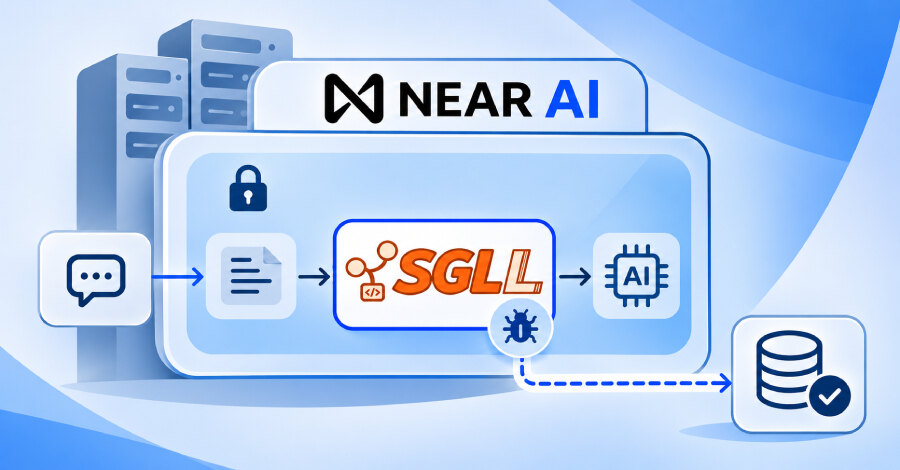
NEAR AI says an attacker exploited a remote code execution vulnerability in the open-source inference engine SGLang and ran code on one of its inference servers. The intrusion led to the confirmed download of account details for about 100 users and data from 18 AI agents hosted on an older deployment of NEAR AI Agents.
The company said the affected server processed requests last Sunday. The attacker may have been able to view requests handled by that server, including requests submitted in confidential mode. That mode uses a trusted execution environment, or TEE, intended to keep request data private even from NEAR AI itself.
TEE boundary did not prevent application-layer exposure
NEAR AI stressed that a TEE does not protect against a flaw in software operating inside the environment. Because SGLang ran within the TEE, exploitation of the inference engine could expose requests being processed there. The company said it has since closed that access path.
The attacker then moved into an internal system behind Private Chat, a product NEAR AI had already deprecated. The company confirmed that account data including names and email addresses was downloaded for roughly 100 users. For some accounts, plan and balance information was also involved. It said it found no evidence that stored Private Chat conversations or uploaded files were accessed.
Agent data and two API keys were exposed
The intruder also reached 18 AI agents on an older NEAR AI Agents deployment that did not operate inside the company’s TEE. Data taken from those agents included chat histories, settings and logs. Logs exposed NEAR AI Cloud API keys belonging to two customers, and NEAR AI said it revoked both keys.
Following detection, NEAR AI revoked active sessions and administrator credentials, replaced all agent tokens, took Private Chat offline and deployed a fix for the SGLang flaw on every inference server. It also rotated remaining credentials and completed a forensic review before restoring access to NEAR AI Cloud.
Outstanding technical questions remain
NEAR AI reported the issue to the SGLang project, but did not identify a CVE, name the affected SGLang versions or state whether the project has issued a fix. The company contacted users whose accounts or agents it confirmed had been accessed and said people who have not received a notice do not need to take action.
In an October 15 technical post, Brave said its Leo assistant processes chats using the GLM 5.3 Flash model in a TEE operated by NEAR AI. NEAR AI has not said whether the affected server handled those chats. For businesses deploying confidential AI workloads, the incident underlines the need to patch and monitor inference software within TEEs, not only the isolation layer around it.