


NHTSA outlines cyan-light option for autonomous vehicles
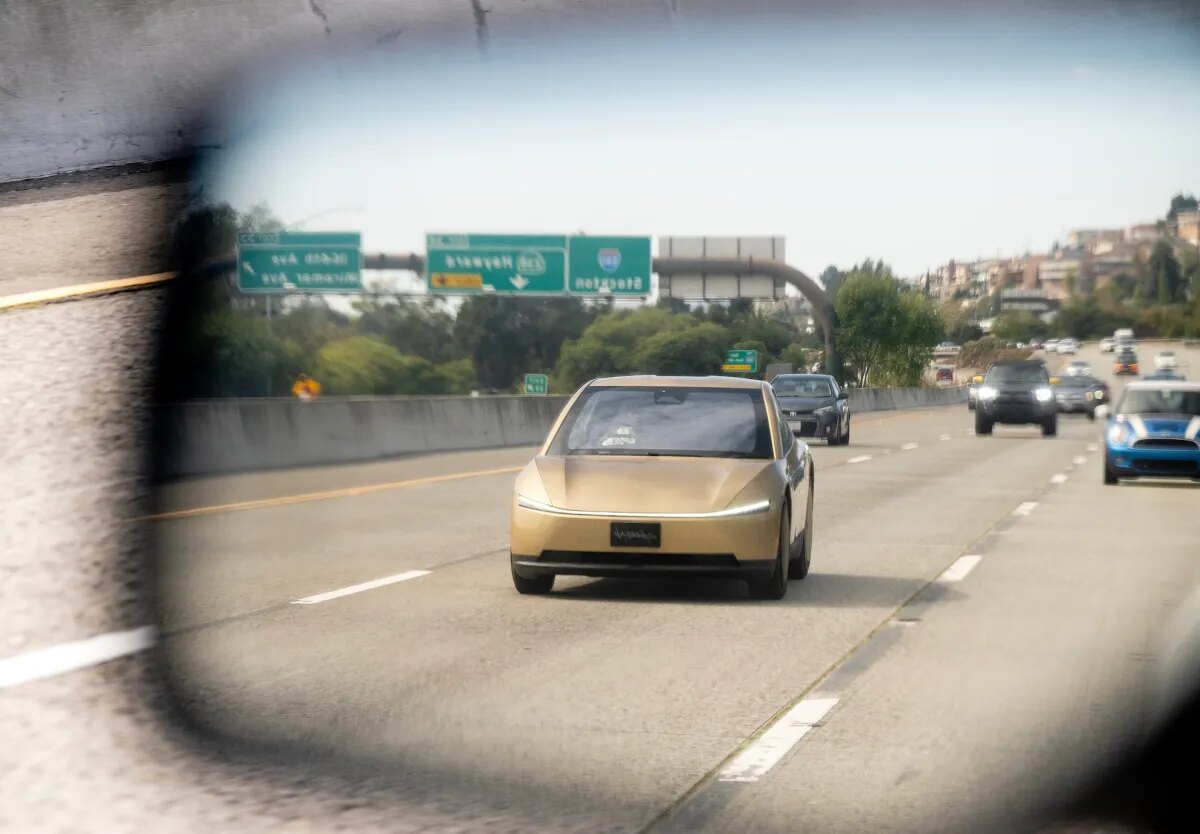
The U.S. National Highway Traffic Safety Administration has proposed new lighting requirements for autonomous vehicles, including an option for cyan, or blue-green, lights to indicate that a vehicle is operating autonomously without a human occupant monitoring the road. The proposal does not mandate the colour, but it sets out a possible common visual signal for road users and enforcement agencies.
NHTSA suggests that the cyan lights should remain steadily illuminated rather than flash and be visible from the front, rear and both sides of the vehicle. The proposed rule also defines equipment specifications, including mounting locations, emitted colour and activation conditions.
A signal for vehicles without conventional controls
The proposal would apply the lighting indication when an autonomous vehicle is in autonomous mode. It would also remove requirements for manually operated controls for turn signals, high beams and hazard lights, reflecting vehicle designs that may not include a driver’s position or conventional controls.
The regulatory work is part of a broader federal effort to modernise motor-vehicle safety standards while maintaining safety, NHTSA administrator Jonathan Morrison said. Existing Federal Motor Vehicle Safety Standards were written for conventional vehicles and were not designed for models such as Tesla’s Cybercab and Zoox robotaxis, which can lack pedals, steering wheels, side mirrors and rear-view mirrors.
The policy direction follows issues raised by new federal rules for autonomous vehicles as regulators and autonomous-vehicle operators confront the need for rules that fit robotaxi deployment. A consistent operating signal could give the public a direct way to distinguish an automated vehicle from one driven by a human, although NHTSA has not proposed making cyan illumination compulsory.
Automakers align software and autonomy plans
GM used its annual GM Forward event to outline a technology overhaul that it says will support faster software, more capable automated-driving functions and a conversational AI assistant intended to reshape its 30-year-old OnStar service. The new electrical and computing architecture is scheduled to debut in the 2028 Cadillac Escalade IQ.
GM also said it plans to introduce an autonomous highway-driving feature in 2028 that would allow drivers to take their hands and eyes off the road without needing to be ready to take over. Separately, the company has adopted enterprise AI with the aim of reducing its traditional four- to five-year development timeline by half.
Simulation remains another priority. Rivian acquired UK startup Third Dimension, whose AI technology converts images and video into lifelike 3D worlds. Rivian head of autonomy James Philbin said the company sought technology to close the “sim-to-real gap” between data from real environments and simulated ones. Terms were not disclosed; Third Dimension had previously raised a $7 million seed round and has about 15 engineers.
Business implication
For businesses building, operating or supplying autonomous vehicles, the immediate task is to plan for both evolving federal equipment rules and the underlying software, data and validation capabilities needed to deploy vehicles safely at scale.