


NHTSA Reviews Waymo School-Bus Recall Remedy
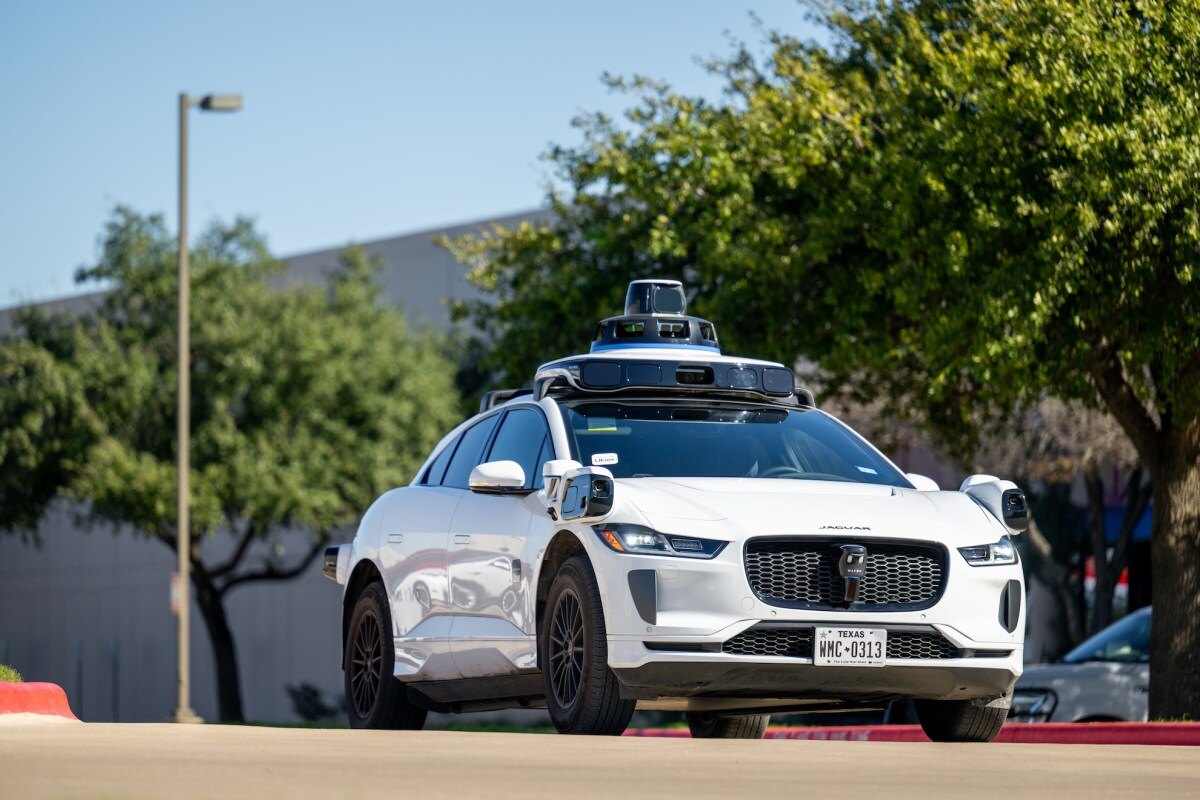
The National Highway Traffic Safety Administration has opened a recall query into Waymo after reports that its robotaxis illegally passed stopped school buses continued following a software update. Waymo said the remedy had been completed for all affected vehicles on November 17, 2025, but NHTSA said that a majority of the reported incidents occurred after that update.
The agency’s Office of Defects Investigation is examining whether the remedy was adequate. The query follows Waymo’s earlier recall and software update, which were issued after multiple reports involving autonomous vehicles passing buses that had stopped with flashing red lights deployed.
Regulators revisit the software remedy
NHTSA’s initial investigation began in October 2025 after footage showed a Waymo autonomous vehicle in Atlanta manoeuvring around a stopped school bus. The bus had its stop sign extended, its lights flashing and children were unloading.
In that incident, the robotaxi crossed in front of the bus from its right side, then turned left around the front of the vehicle before continuing down the street. The recall query does not conclude why the behaviour continued; it is intended to assess the adequacy of the corrective software.
Reports also emerged in Austin
Other incidents have been documented in Austin, another city where Waymo operates a robotaxi service. Austin Independent School District officials reported at least five such incidents in a letter filed with NHTSA.
The scrutiny arrives while Waymo is pursuing expansion. Its access to capital, reflected in Waymo's $5 billion robotaxi expansion credit, supports broader robotaxi ambitions, while the new federal review focuses on whether safety-critical vehicle behaviour was sufficiently corrected in existing operations.
What the query means for autonomous mobility
A recall query is a further regulatory review of a remedy rather than a finding that the company has caused a particular outcome. Still, the filing places particular attention on the difference between deploying a software fix and demonstrating that it addresses reported behaviour in service.
For businesses evaluating autonomous transport, the practical implication is to assess safety controls, incident reporting and regulatory follow-up alongside rollout plans, rather than treating a completed software update as the final measure of operational readiness.