


Parallel Systems raises $100 million for autonomous rail freight
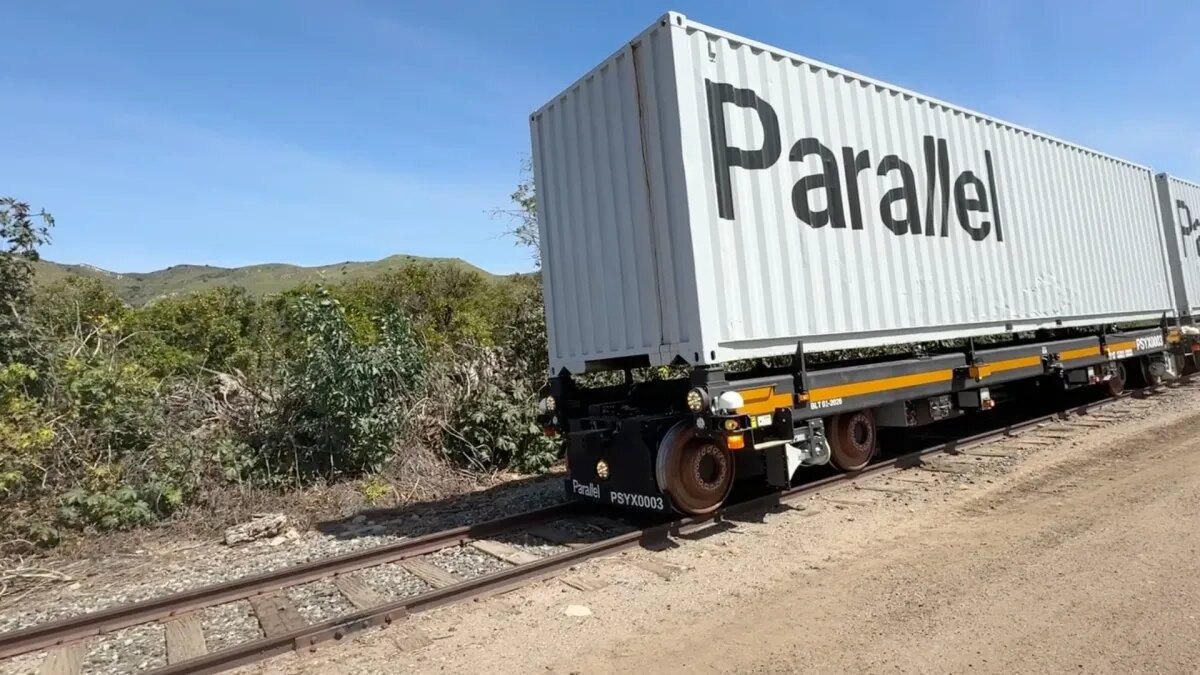
Parallel Systems has raised a $100 million Series C to scale manufacturing of its third-generation Panther vehicle and accelerate the commercial rollout of autonomous freight rail operations. AVP led the financing, with Hillspire, Agility Global, Cobalt Capital, Anthos Capital, Congruent Ventures, Riot Capital and Collaborative Fund participating.
The company was founded in 2020 by Matt Soule and fellow SpaceX alumni who had designed rocket avionics systems. Parallel says its battery-powered rail vehicles can move several tons of freight for up to 500 miles without an onboard operator, a range it is targeting in the short-haul market.
A bid to make short rail routes viable
Parallel is positioning Panther against a freight-rail operating model built around longer trains and fixed schedules. That approach, often called precision railroading, spreads costs such as labour across more freight but has also led railroads to retreat from smaller routes.
The startup argues that this leaves an opening in surface freight. Some 60% of US freight trips are under 500 miles, and trucking companies handle a majority of those movements. The source article places the overall surface freight market at $1 trillion and notes that at least 16 trucking companies entered bankruptcy over a period of only a few weeks as diesel prices reached record highs.
Parallel’s proposition is not simply to replace trucks. It says drayage providers could use rail to bring cargo closer to a customer while making more deliveries per day, since they are not paid extra when vehicles are delayed in traffic. Congestion is especially visible at ports, where truck queues can slow the movement of containers in and out of terminals.
Uncoupled platoons and track monitoring
Unlike conventional rail cars, Parallel’s vehicles do not use couplers. They can travel independently or as uncoupled platoons, which the company says are generally shorter than typical trains. When a platoon reaches a yard, the vehicles can split and continue toward different destinations without human intervention.
Once a Panther vehicle is authorised to operate on a section of track, onboard sensors monitor the route ahead for obstacles. The battery-powered design also avoids tailpipe pollution and does not add vehicles to road congestion, though its freight movements remain dependent on access to existing rail infrastructure.
Parallel received approval from the Federal Railroad Administration about a year and a half ago to operate near the Port of Savannah in Georgia. It has been operating on 160 miles of track there, testing safety controls and operating practices in a real-world environment ahead of its first commercial payload.
What the funding supports
The new capital is intended to increase production of the Panther platform and support its path to commercial service. The company’s ability to turn its trials into operations will depend on scaling vehicles while continuing to demonstrate the required safety controls on the rail network.
For shippers, railroads and drayage operators, the practical implication is to evaluate autonomous rail as a potential short-haul complement to trucking where port congestion, route length and delivery frequency make conventional road-only movements less predictable.