


Rivian broadens its ambitions into software, AI and autonomy
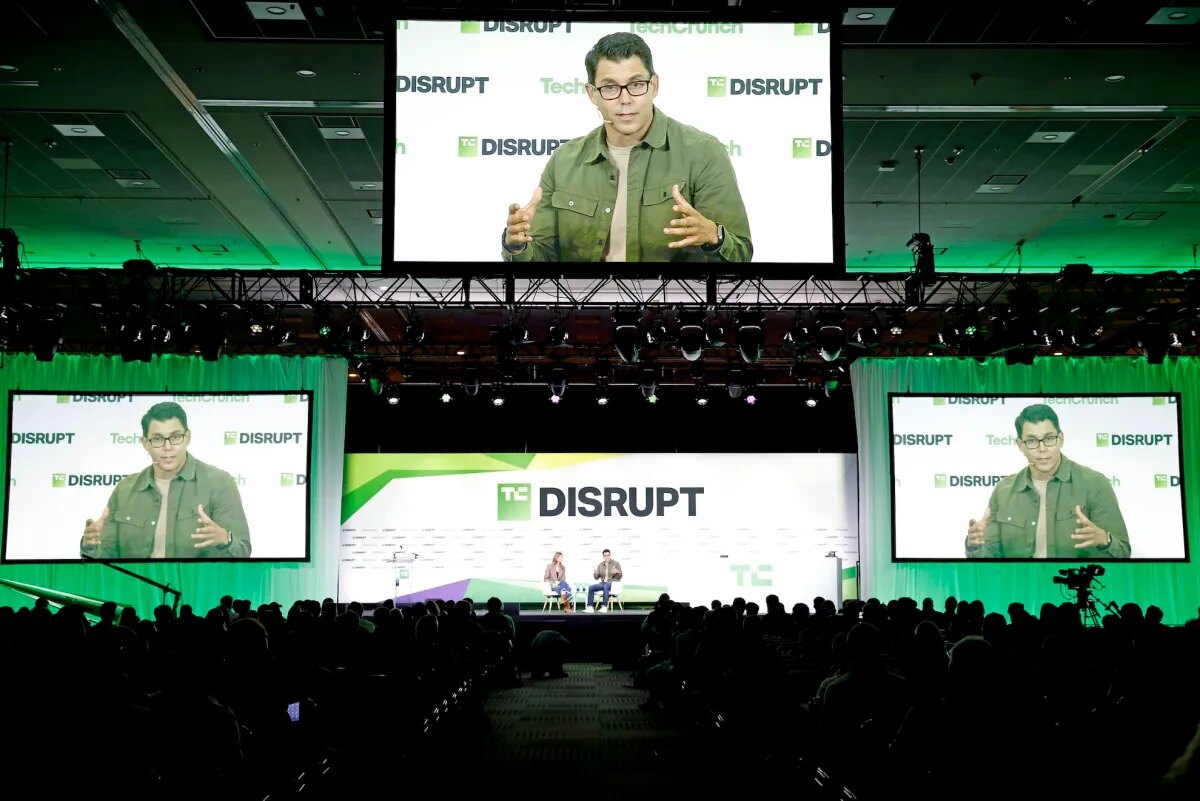
Rivian is laying the groundwork to become more than a manufacturer of electric trucks and SUVs. CEO and founder RJ Scaringe described ambitions spanning vehicle software, artificial intelligence, automated driving, custom silicon and industrial robotics, alongside Rivian’s core electric-vehicle business.
A central element is Rivian’s $5.8 billion joint technology venture with Volkswagen Group, focused on electric architecture and software. Scaringe also said he wants to expand that collaboration to AI and autonomy, while licensing Rivian technology to “many different brands.”
From electric vehicles to a technology platform
Rivian has become more vertically integrated in recent years. It has developed its own AI models for an in-vehicle assistant and is building an end-to-end automated-driving stack for passenger vehicles. The company is also pursuing future robotaxis through a partnership with Uber.
Hardware is part of that strategy. Rivian is developing a 5 nm processor with Arm and TSMC, adding custom silicon to a stack that already includes electric architecture, software, AI models and autonomy systems. The combination could support the company’s aim of offering components of its technology beyond its own vehicles.
The broader market context includes automated-driving deployments such as robotaxi deployments and evolving AV rules alongside changing rules and expansion plans that shape how vehicle technology reaches new cities and operators.
Robotics and new vehicle formats
Scaringe’s plans also reach into adjacent businesses. His micromobility skunkworks program has spun out as a startup called Also. Mind Robotics, an industrial robotics startup founded by Scaringe, is 31% owned by Rivian and lists the automaker as a prospective customer. Former Ford, Apple and Tesla executive Doug Field has been hired as Mind Robotics president.
Mind Robotics is intended to build industrial robots for Rivian factories and for other customers. If it succeeds, Rivian would have an ownership stake in a supplier serving its own operations while addressing a wider industrial market.
Scaringe also pointed to the design possibilities of personally owned autonomous vehicles beyond Rivian’s R2 and R3 models. Autonomous operation, he said, could enable substantially different vehicle form factors and experiences.
What businesses should watch
Rivian has not presented itself solely as a vehicle seller: its direction suggests a potential technology-supplier role built around electric architecture, software, AI, autonomy and related hardware. The outcome will depend on execution across partnerships, products and licensing, but automotive businesses should evaluate Rivian’s platform strategy alongside its EV launches when planning future technology relationships.