


Tesla plans to end Cybertruck production in 2027
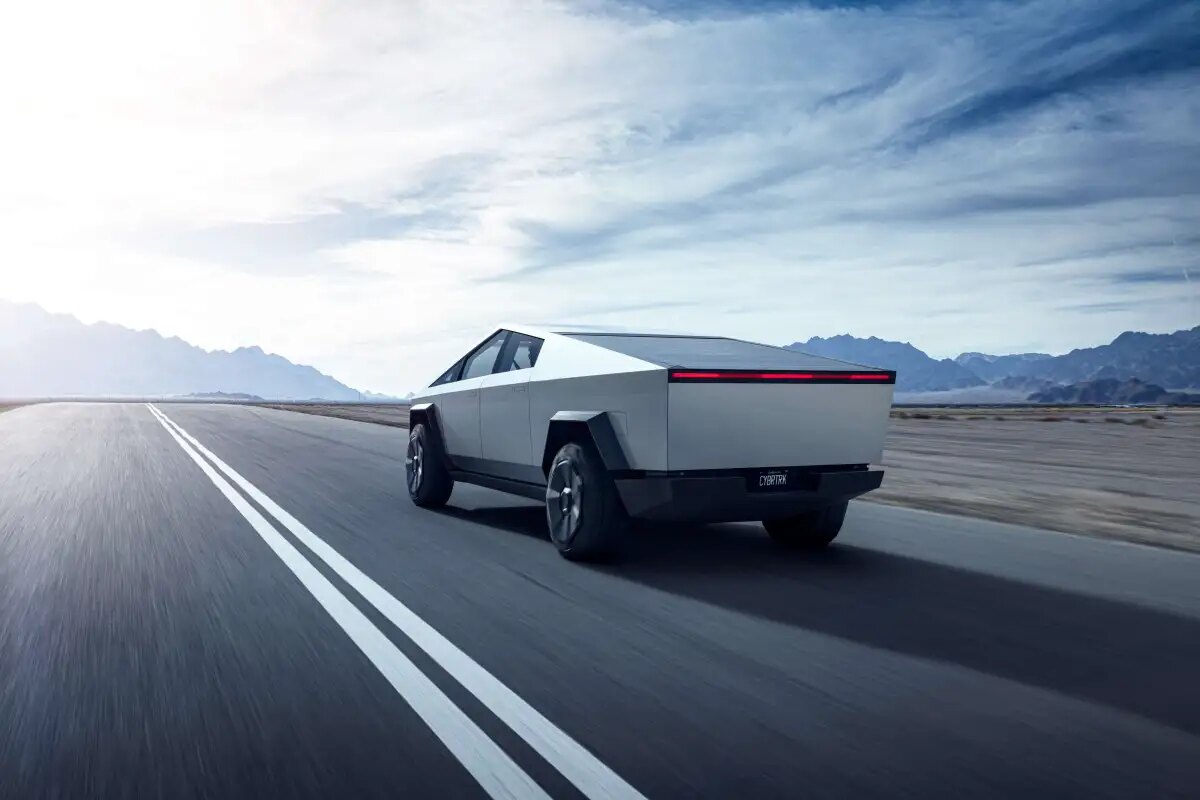
Tesla plans to stop making the Cybertruck in 2027 and use the factory space to increase output of its two-seat Cybercab robotaxi, CEO Elon Musk said on X. The decision ends production of the stainless-steel electric pickup only a few years after customer deliveries began in late 2023.
Musk had once projected annual Cybertruck sales of about 250,000 units. Tesla has instead sold tens of thousands in total over the past three years. Before the vehicle was built, the company had described its Texas site as the “Cybertruck factory”, underlining how central the model had been expected to become.
Capacity shifts toward robotaxis
The change comes as Tesla presents itself increasingly as an AI and robotics company, with robotaxi deployment a central part of that strategy. The company has spent the past two months operating Cybercabs on streets in Austin, Texas, and says it has recorded no major incidents so far.
Tesla plans to expand the Cybercab service to other cities, beginning with Dallas later this month. The company also operates robotaxi versions of the Model Y SUV in Austin, Houston and Dallas, as well as in three Florida cities. The role of Tesla’s Cybercab robotaxi strategy in Tesla’s robotaxi strategy becomes more significant as manufacturing space moves away from conventional passenger vehicles and toward dedicated autonomous vehicles.
Cybertruck fell short of early promises
First announced in 2019, the Cybertruck was designed around the futuristic look of cyberpunk science fiction, including Blade Runner. At its reveal, Tesla said the pickup would start below $40,000 and offer up to 500 miles of range. Neither figure was achieved in the production vehicle.
Production was delayed for two years, partly because of the COVID-19 pandemic. When Tesla delivered its first units in late 2023, the base price was about $60,000 and the highest advertised range was more than 100 miles below the original claim. The vehicle’s polarising design and higher-than-expected price were followed by weak market performance.
A broader product reallocation
The Cybertruck is the third Tesla product discontinued to support the company’s newer priorities. Earlier this year, Tesla decided to end Model S sedan and Model X SUV production and allocate their factory space to Optimus humanoid robots.
For businesses following Tesla, the decision is a reminder that product capacity can be reassigned quickly when sales fail to match expectations and a company commits to a different operating model. Procurement, fleet and technology plans should therefore distinguish announced specifications and production ambitions from delivered volumes and proven service expansion.