


Volvo extends Nvidia partnership for automated driving systems
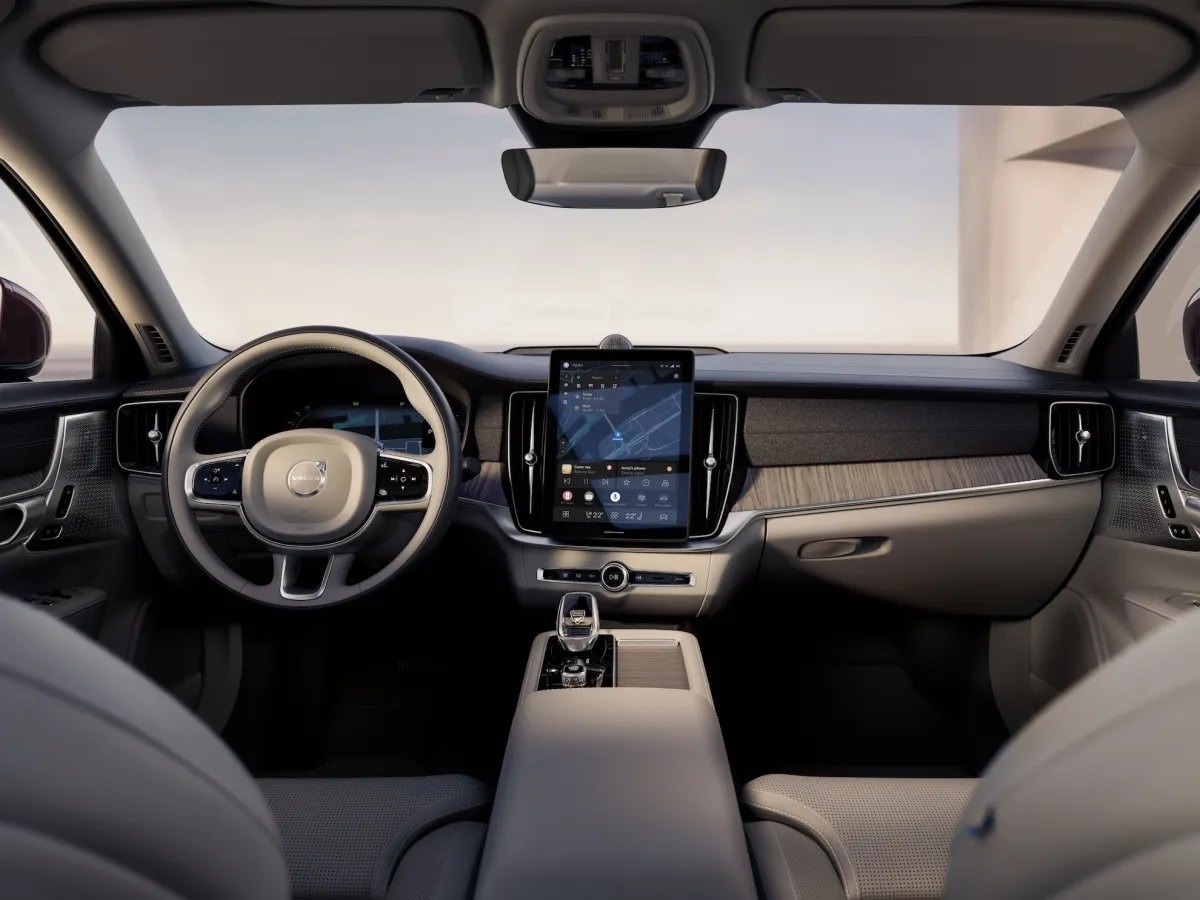
Volvo has expanded its nearly decade-long partnership with Nvidia to build an automated driving system for future vehicles that can navigate urban streets and highways. The automaker plans to combine its vehicle safety systems and engineering with Nvidia’s Hyperion sensor and compute architecture, Alpamayo driving software stack and Halos safety evaluation layer.
Volvo did not disclose the value of the agreement or identify the first model to receive the new technology stack. Alwin Bakkenes, Volvo’s head of software development, said the programme will begin with a new vehicle due in the “not-too-near future”, with its debut expected within this decade.
A broader stack across Volvo’s range
The agreement broadens an existing relationship rather than starting from scratch. All of Volvo’s battery-electric vehicles already use Nvidia’s Orin computer chip to process data from cameras, radar and other sensors, helping the vehicle understand its surroundings and make driving decisions.
Volvo now intends to standardise more heavily on Hyperion, including its sensor set, to open the stack to the wider Nvidia partnership. Bakkenes said the company has shifted away from car-line-based development and separate supplier relationships towards becoming a full technology-stack company.
The scope is also wider than battery-electric models. Volvo’s stated aim is to bring the latest automated-driving software to its full vehicle portfolio, including electric vehicles, plug-in hybrids and vehicles powered by combustion engines.
Redundancy and multimodal perception
Ali Kani, who leads Nvidia’s automotive division, described the Alpamayo stack as redundant and diverse. It brings together a family of AI models, datasets, simulation and development tools for autonomous-driving software with classical software using machine learning and camera-and-radar perception.
Nvidia’s approach runs the two stacks at the same time and uses multimodal sensors. Kani said this is intended to produce a safer product. The open-source Alpamayo software has been downloaded by more than 650,000 developers, a figure that indicates the scale of its developer reach.
What the agreement means for vehicle programmes
For Volvo, the announcement places computing, sensor architecture, driving software and safety evaluation inside a more unified supplier relationship. The company has not specified the automation features, model launch date or commercial terms, so the eventual product scope remains undisclosed.
For businesses developing connected vehicle programmes, the practical implication is to evaluate automated-driving platforms as an integrated combination of sensors, compute, software and safety assessment, rather than as a standalone processor decision.